
Crypto_Buzz_with_Alex

vip
Market Analyst
On-chain Analyst
Crypto Market Researcher
No content yet
Pin
#GateSquareAIReviewer
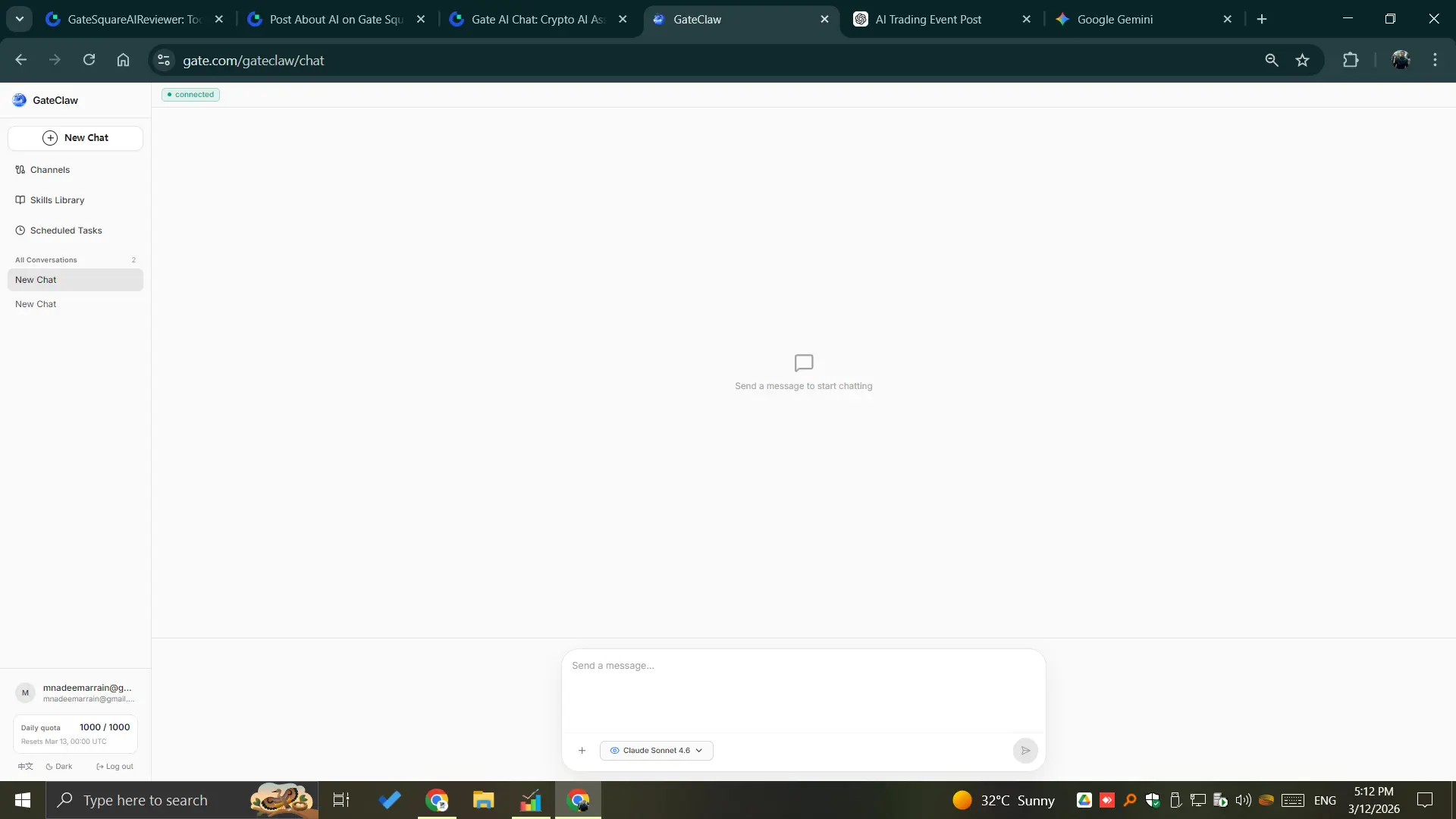
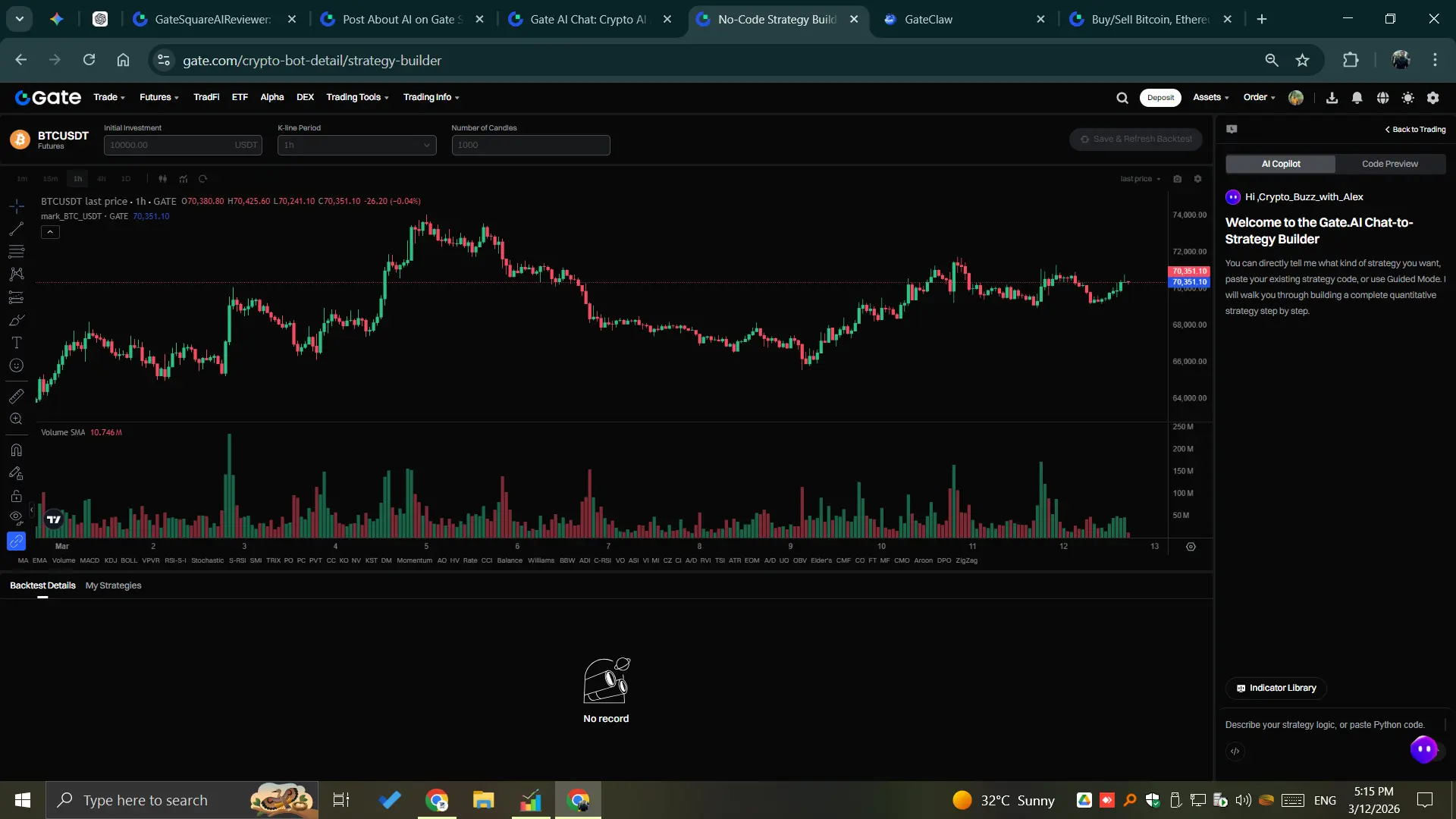
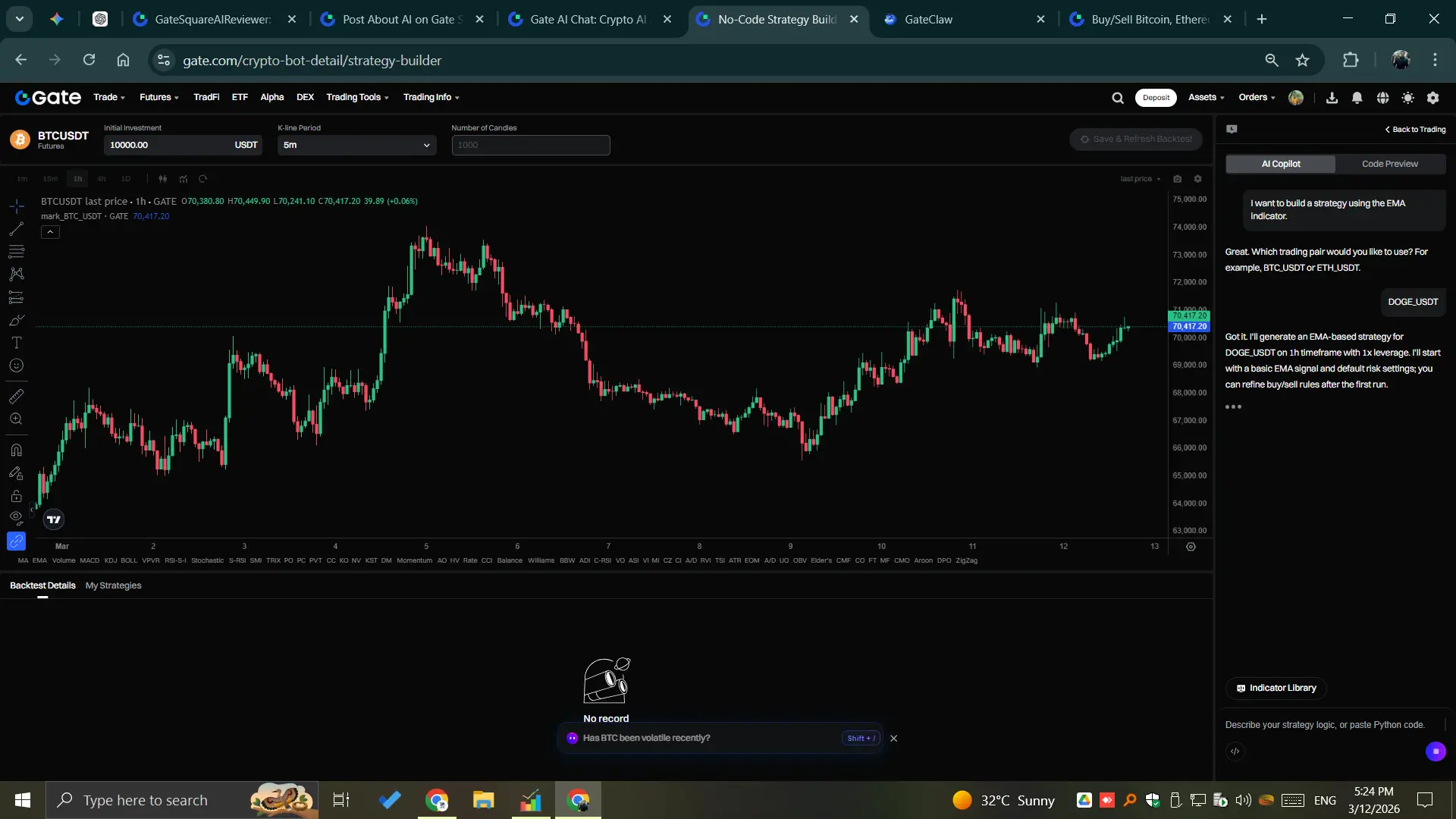
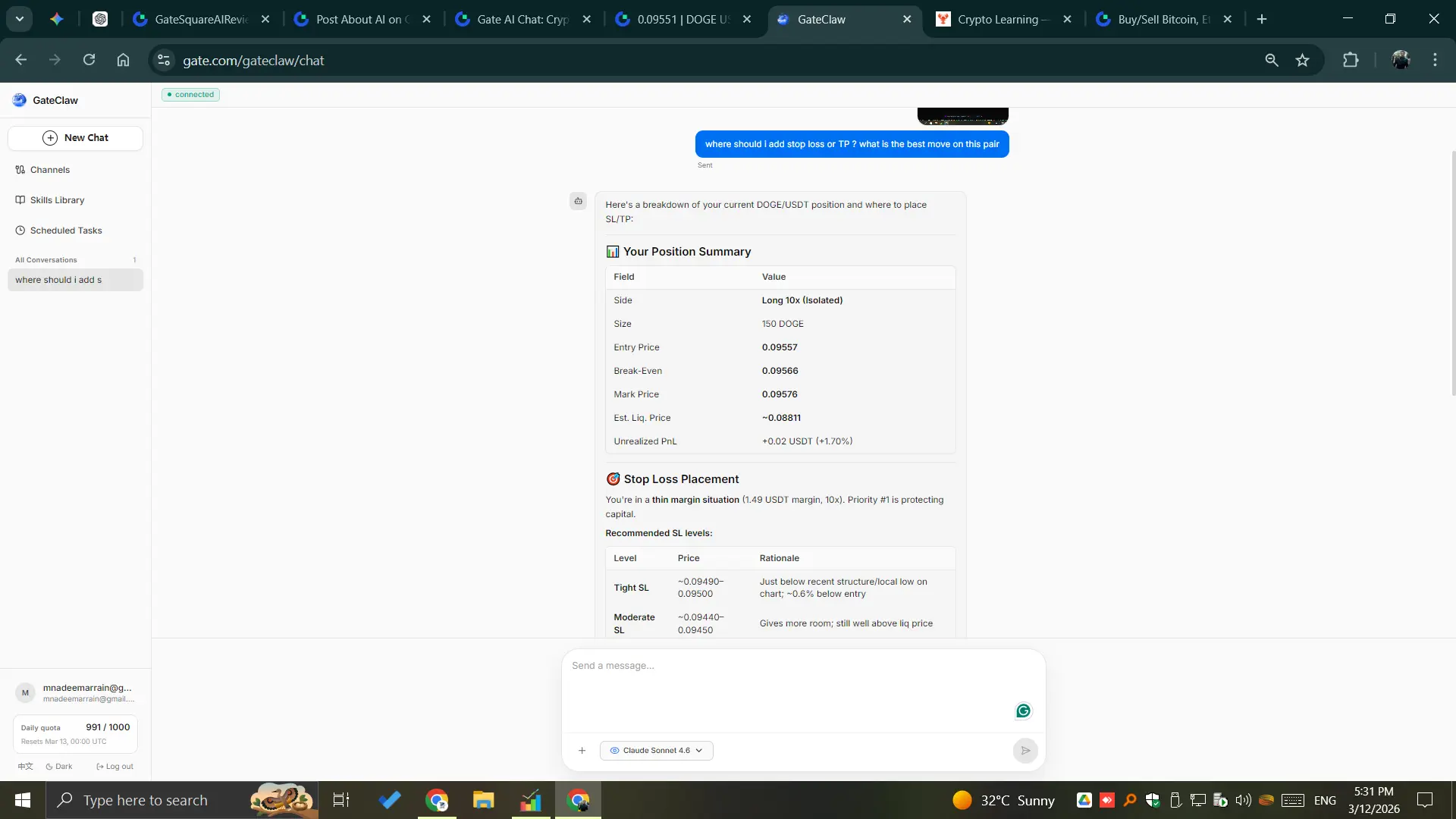
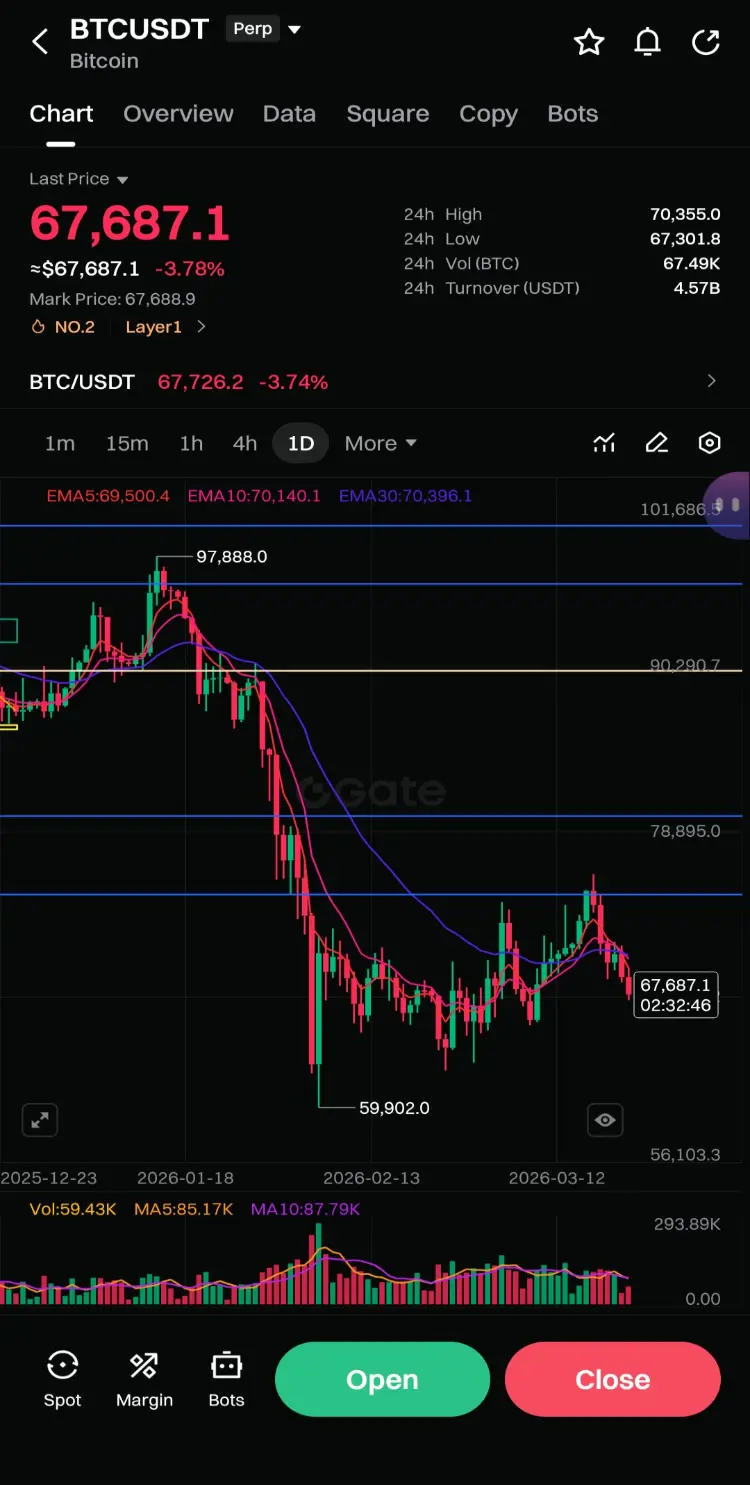
Today I tested Gate AI signals on BTC and DOGE.
AI suggested bullish momentum after volume breakout.
I opened a small position and the trade moved +1.70%.
Gate AI helped identify the entry zone faster than manual analysis.
Screenshots attached below 👇
BTC-3,66%
DOGE-4,81%
post-image
post-image
post-image
post-image
post-image
  • Reward
  • 32
  • Repost
  • Share
Crypto_Buzz_with_Alexvip:
🚀 “Next-level energy here — can feel the momentum building!”
View More
Bitcoin Analysis
$BTC once again failed to close the weekly candle above the $72K range high, which is a concern. That was one of the main reasons I decided to close my long position, along with the second factor being the ongoing war between the United States, Israel, and Iran.
I’ve made it clear that a range is forming, and I expect Bitcoin to continue trading sideways between $54K and $72K. This phase is not bullish. It is a preparation phase for what comes next. My expectation remains the same: after this consolidation, Bitcoin is likely to break down from the range and move toward $44K–$
BTC-3,63%
post-image
  • Reward
  • 3
  • Repost
  • Share
discoveryvip:
To The Moon 🌕
View More
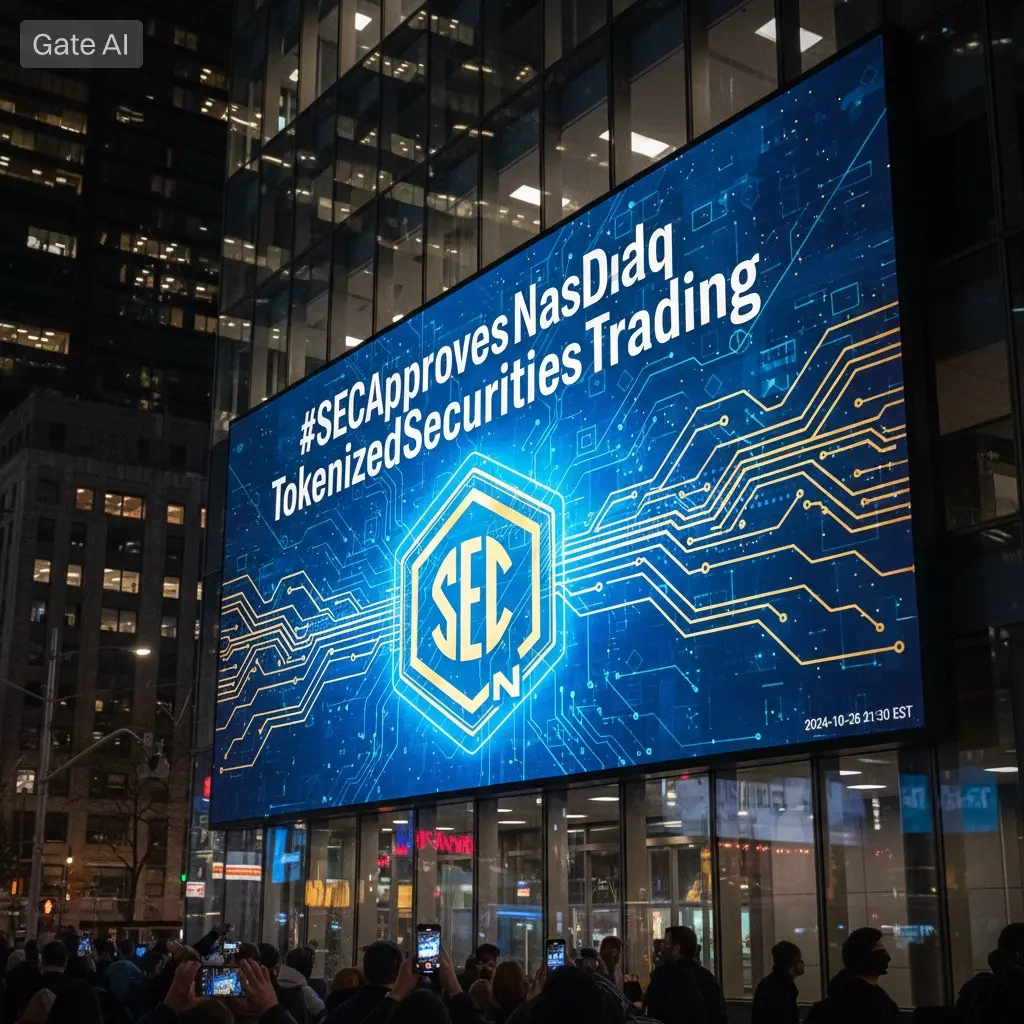
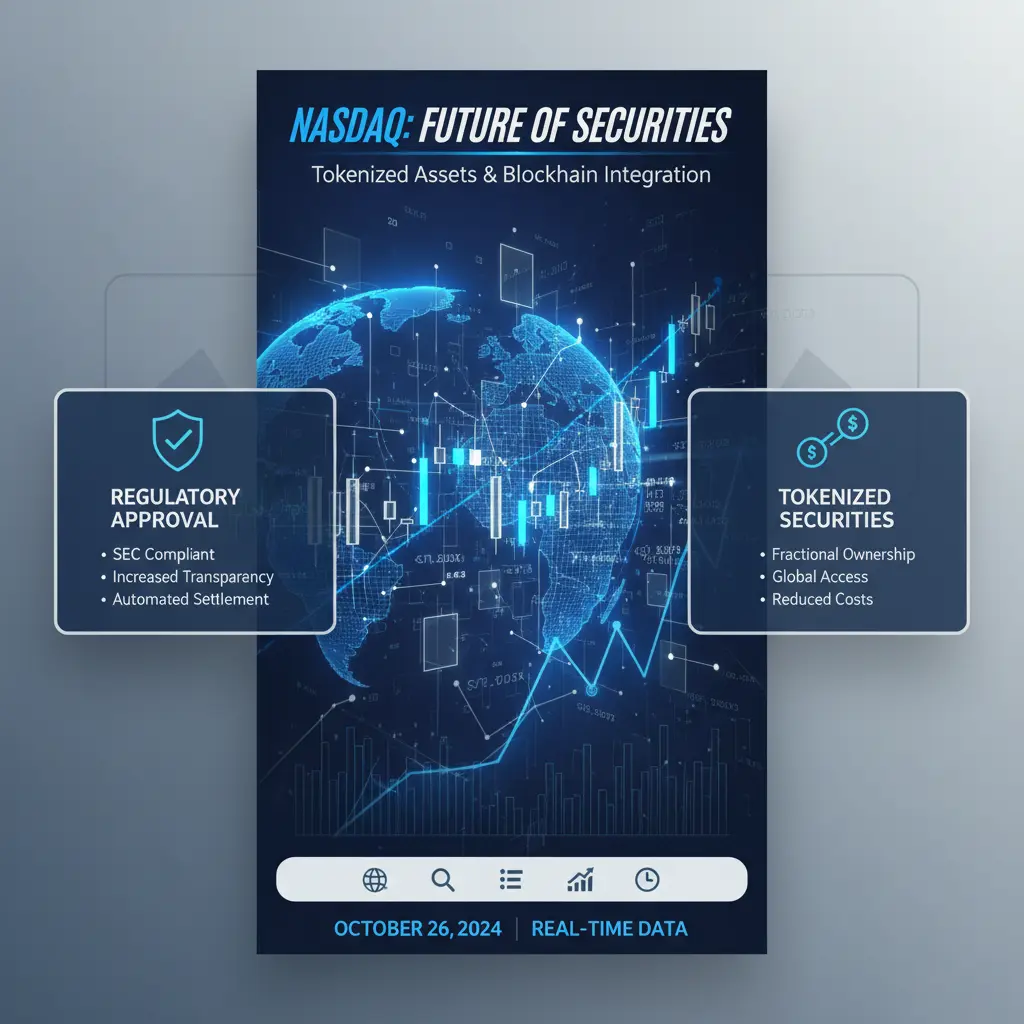
#SECApprovesNasdaqTokenizedSecuritiesTrading
The SEC approves tokenized securities trading on Nasdaq, advancing regulated digital markets.
The decision by the U.S. Securities and Exchange Commission to allow Nasdaq to facilitate tokenized securities trading marks a structural shift in capital markets. It brings blockchain based assets into a regulated framework, combining the efficiency of tokenization with the trust of traditional financial infrastructure.
This development signals growing institutional acceptance of blockchain technology. Tokenized securities can enable faster settlement, im
post-image
post-image
  • Reward
  • 1
  • Repost
  • Share
Crypto_Buzz_with_Alexvip:
🚀 “Next-level energy here — can feel the momentum building!”
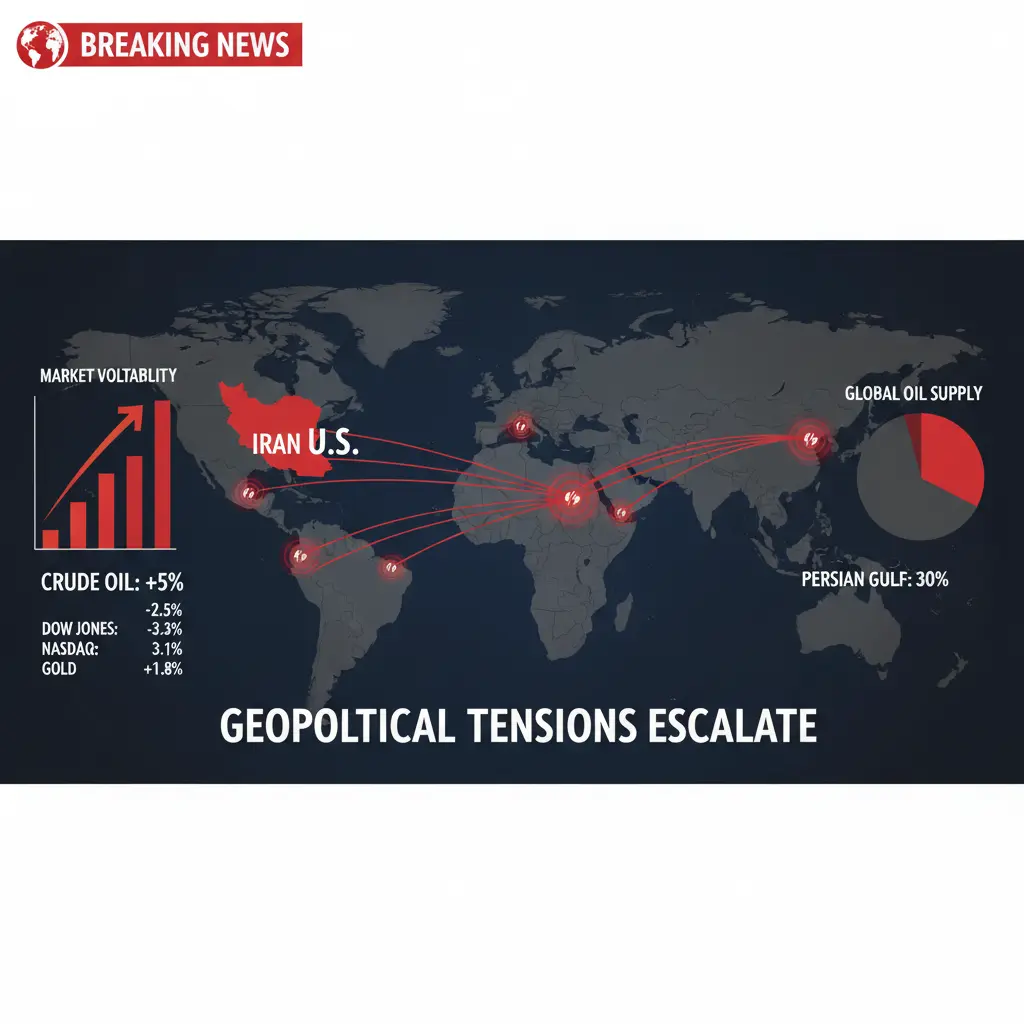
#USIranWarUpdates
US Iran tensions escalate, keeping global markets on edge.
4
Rising developments between the United States and Iran are drawing close attention from global investors. Geopolitical uncertainty at this scale tends to influence not just regional stability, but also energy markets, currency flows, and broader risk sentiment across financial systems.
Markets typically react quickly to such updates, with oil prices, safe haven assets, and volatility indices reflecting shifts in perceived risk. As the situation evolves, traders and institutions remain focused on potential escalatio
post-image
post-image
  • Reward
  • 1
  • Repost
  • Share
Crypto_Buzz_with_Alexvip:
🚀 “Next-level energy here — can feel the momentum building!”
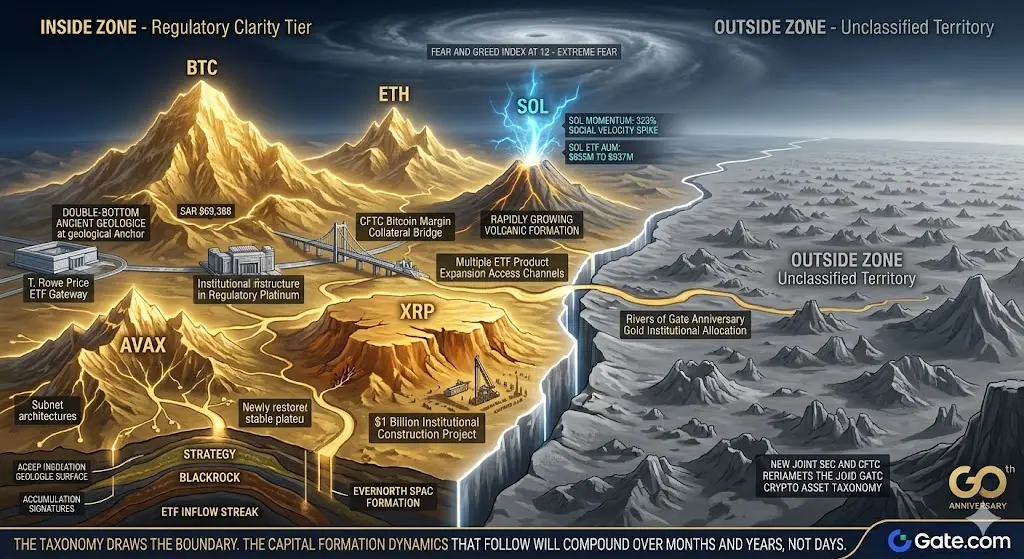
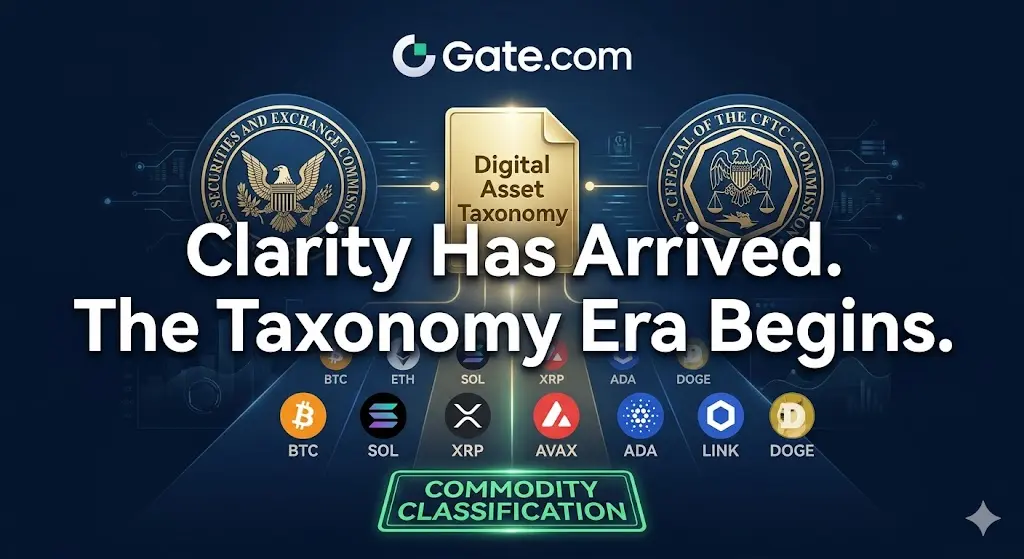
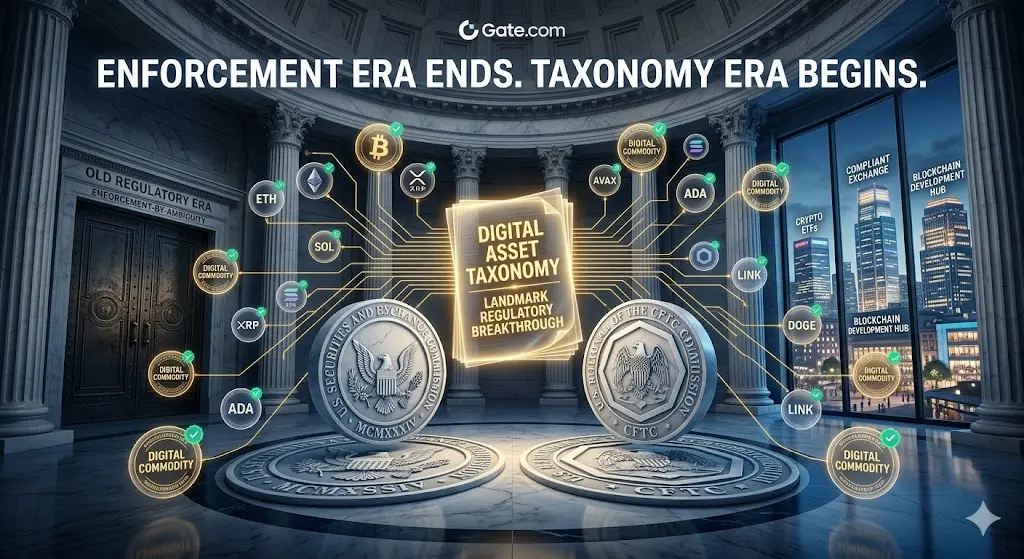
The SEC and CFTC just published a joint digital asset taxonomy — and it is the clearest regulatory signal the crypto industry has received in years.
For the first time, US regulators have moved from enforcement-by-ambiguity to classification-by-definition. The joint guidance formally establishes which digital assets are treated as digital commodities and which fall under securities jurisdiction. Bitcoin, Ethereum, Avalanche, Solana, XRP, Cardano, Chainlink, Dogecoin, and over a dozen others have been explicitly named as digital commodities — not securities.
Galaxy Research's head of firmwide r
BTC-3,66%
ETH-5,32%
AVAX-6%
SOL-4,77%
post-image
post-image
discoveryvip
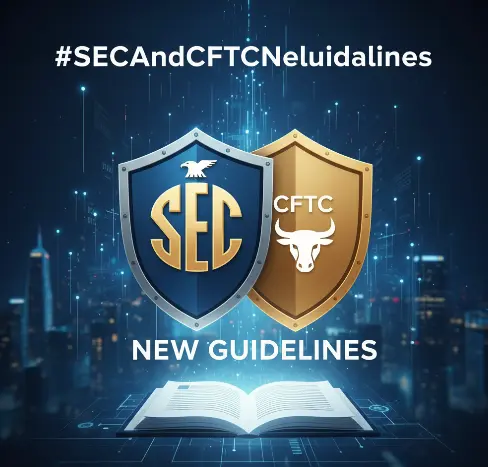
#SECAndCFTCNewGuidelines
SEC and CFTC New Guidelines
In March 2026, the two main U.S. financial regulators — the Securities and Exchange Commission (SEC) and the Commodity Futures Trading Commission (CFTC) — jointly released a landmark set of interpretive guidelines clarifying how federal laws apply to digital assets and crypto markets. This coordinated move represents one of the most significant regulatory shifts in the industry’s modern era.
Why This Is a Turning Point
For years, market participants faced uncertainty about whether specific tokens or activities fell under securities law, commodities law, or neither. This “gray zone” slowed institutional adoption and innovation. The new joint interpretive framework significantly reduces this ambiguity by clearly defining regulatory responsibilities and outlining classifications for various digital assets.
Most widely held assets, including Bitcoin and Ether, are now broadly recognized as digital commodities rather than securities, unless they meet specific criteria that qualify them as investment contracts. Tokens such as XRP have also been explicitly categorized under commodity classification.
This clear division of regulatory roles between the SEC and CFTC strengthens compliance planning and supports product innovation across the crypto ecosystem.
Key Elements of the New Guidelines
1. Clear Asset Taxonomy
The framework establishes a structured classification system distinguishing between:
Digital commodities — generally decentralized assets not structured as investment contracts
Digital securities — assets that meet federal securities law criteria
Other categories, including digital collectibles and utility tokens, each with unique regulatory implications
This system replaces years of ad hoc enforcement with a predictable framework, reducing legal risks for developers, exchanges, and investors.
2. Coordinated Oversight Between Agencies
The SEC will continue overseeing offerings and trading of assets that qualify as securities, such as tokenized stocks or bonds. Meanwhile, the CFTC assumes primary oversight over assets treated as commodities, including widely used cryptocurrencies lacking investment contract characteristics.
This allocation reflects ongoing agency coordination, including formal agreements and shared regulatory objectives, providing a more streamlined approach for market participants.
3. Impact on Market Activities
The guidance clarifies how specific activities are regulated:
Staking and mining operations are not inherently securities transactions
Airdrops, peer-to-peer transfers, and decentralized protocol interactions generally do not require securities registration unless tied to investment contract features
These distinctions reduce compliance burdens for decentralized finance (DeFi) protocols and other emerging blockchain use cases.
Why This Matters for the Industry
Clarity Drives Innovation: Regulators now provide a roadmap for compliance, helping innovators build confidently instead of cautiously.
Institutional Participation Becomes Feasible: Clear rules distinguishing commodities from securities allow institutional investors and regulated entities to allocate capital predictably without fear of retroactive enforcement.
Global Competitiveness: Coordinated regulation positions the U.S. to offer competitive clarity compared to other jurisdictions, supporting domestic blockchain development and fostering sustainable growth.
Broader Context and Ongoing Developments
This regulatory shift aligns with ongoing US legislative and policy efforts to further integrate digital asset law into the federal framework. While some aspects of legislation remain pending, dialogue between regulators, industry stakeholders, and lawmakers suggests additional refinements, safe harbors, and standardized compliance regimes may emerge in the near future.
Final Assessment
The SEC and CFTC’s new guidelines represent one of the most significant clarifications for digital assets in U Su history. By defining the distinction between securities and commodities, establishing coordinated oversight, and providing predictable compliance frameworks, the guidance sets the stage for sustainable market growth, broader institutional engagement, and real-world blockchain applications.
This regulatory milestone signals a turning point that will likely influence global crypto governance and adoption for years to come.
repost-content-media
  • Reward
  • 1
  • Repost
  • Share
Crypto_Buzz_with_Alexvip:
🚀 “Next-level energy here — can feel the momentum building!”
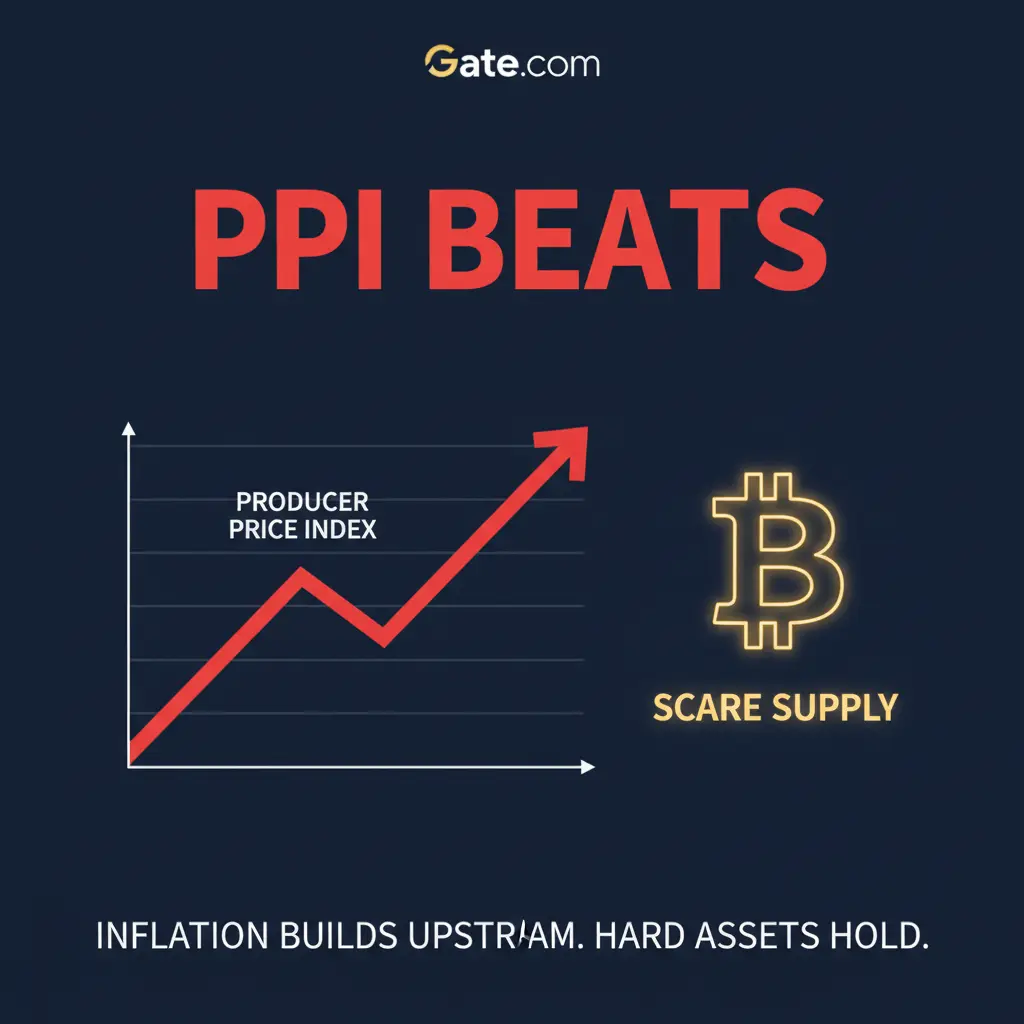
#USFebPPIBeatsExpectations
US February PPI came in hotter than expected — and for anyone watching the macro-to-crypto pipeline, that matters more than the headline number suggests.
Producer Price Index beats are not just an inflation data point. They are a leading signal. PPI measures price pressure at the production level before it flows through to consumers. When PPI beats expectations, it tells you that inflationary forces are still building upstream — which means the Fed's path to rate cuts just got narrower, and the timeline just got longer.
For risk assets, the near-term read is straigh
BTC-3,66%
post-image
  • Reward
  • 1
  • Repost
  • Share
Crypto_Buzz_with_Alexvip:
🚀 “Next-level energy here — can feel the momentum building!”
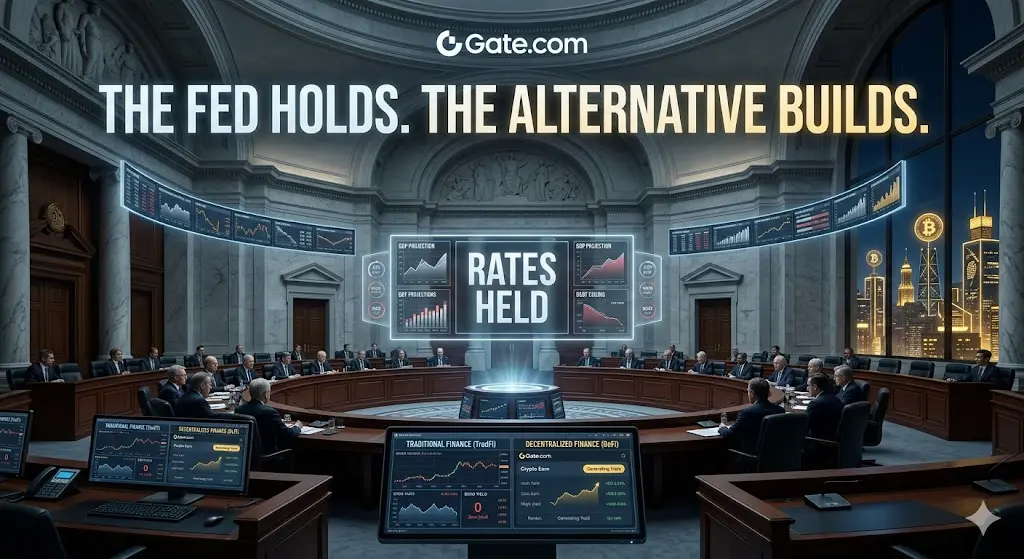
#FedHoldsRatesSteady
The Fed held rates steady — and in this macro environment, that decision carries more weight than usual.
With inflation still running above target and growth signals turning mixed, the Federal Reserve's decision to hold is not a signal of confidence. It is a signal of uncertainty. The Fed is watching. So is every major asset market on the planet.
For crypto, the historical read on rate holds is nuanced but increasingly clear. Prolonged high rates compress risk appetite in traditional markets. But they also accelerate the search for yield outside the traditional system — a
BTC-3,66%
post-image
post-image
  • Reward
  • 1
  • Repost
  • Share
Crypto_Buzz_with_Alexvip:
🚀 “Next-level energy here — can feel the momentum building!”
#AnimocaBrandsInvestsInAVAX
‍Animoca Brands just invested in AVAX and partnered with Ava Labs — and the strategy behind this move is bigger than a single investment.
Animoca Brands, one of the most influential Web3 investment firms in the world, is directing capital and partnership resources toward the Avalanche ecosystem with a clear geographic mandate: Asia and the Middle East. The focus areas include real-world assets, gaming, and digital ownership infrastructure — exactly the verticals where Avalanche has been quietly building its institutional layer.
The timing is notable. AVAX was forma
AVAX-6%
post-image
  • Reward
  • 1
  • Repost
  • Share
Crypto_Buzz_with_Alexvip:
🚀 “Next-level energy here — can feel the momentum building!”
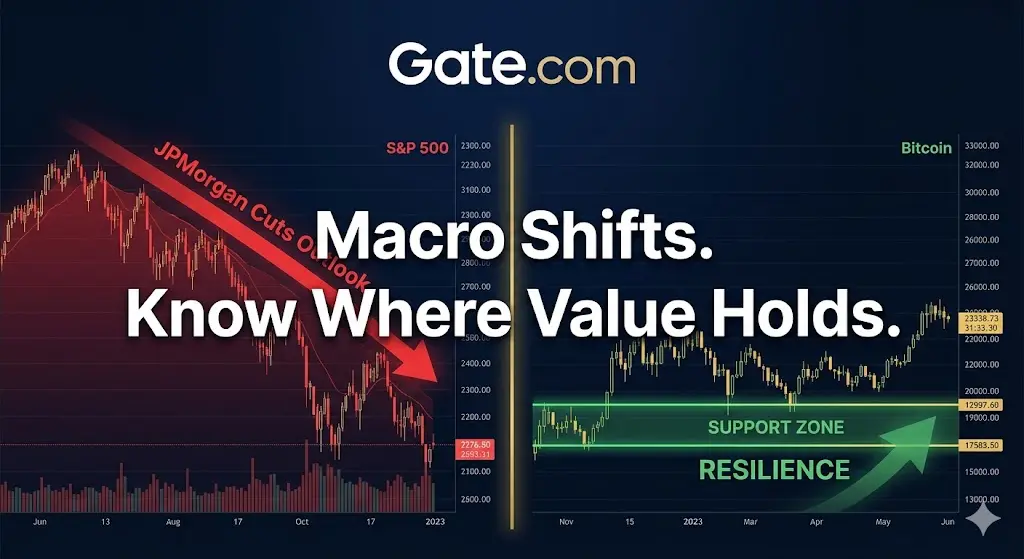
#JPMorganCutsSP500Outlook
JPMorgan just cut its S&P 500 outlook — and in 2026, that kind of signal moves more than just equities.
When the largest bank in the United States revises its year-end target downward, it is not just an analyst note. It is a statement about where institutional capital sees risk — in growth expectations, in policy uncertainty, in the durability of the bull run that carried markets through the past cycle.
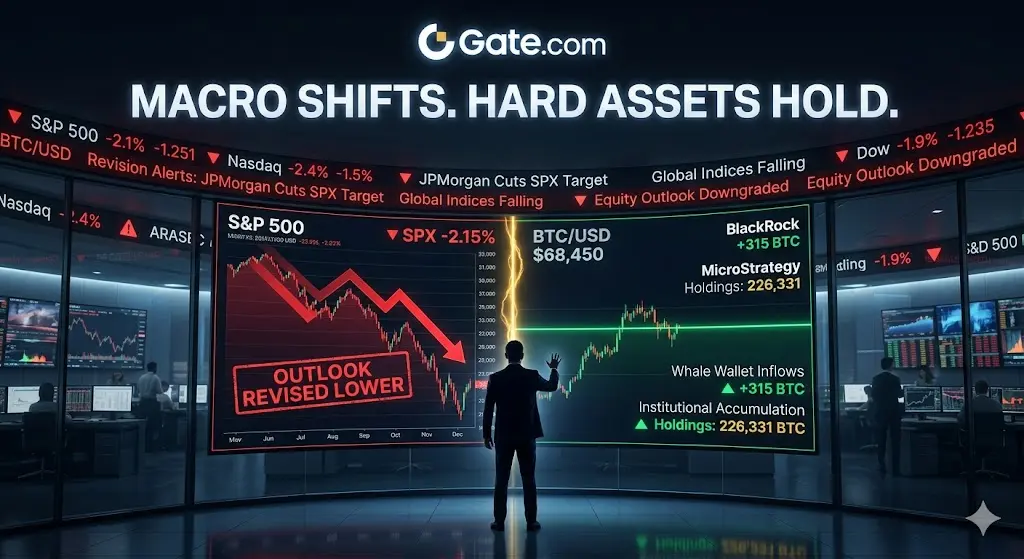
For crypto traders, the read-through is nuanced. Risk-off sentiment from traditional markets has historically created short-term pressure on Bitcoin and altcoins. But
BTC-3,66%
post-image
post-image
  • Reward
  • 1
  • Repost
  • Share
Crypto_Buzz_with_Alexvip:
🚀 “Next-level energy here — can feel the momentum building!”
#GateSquareAIReviewer
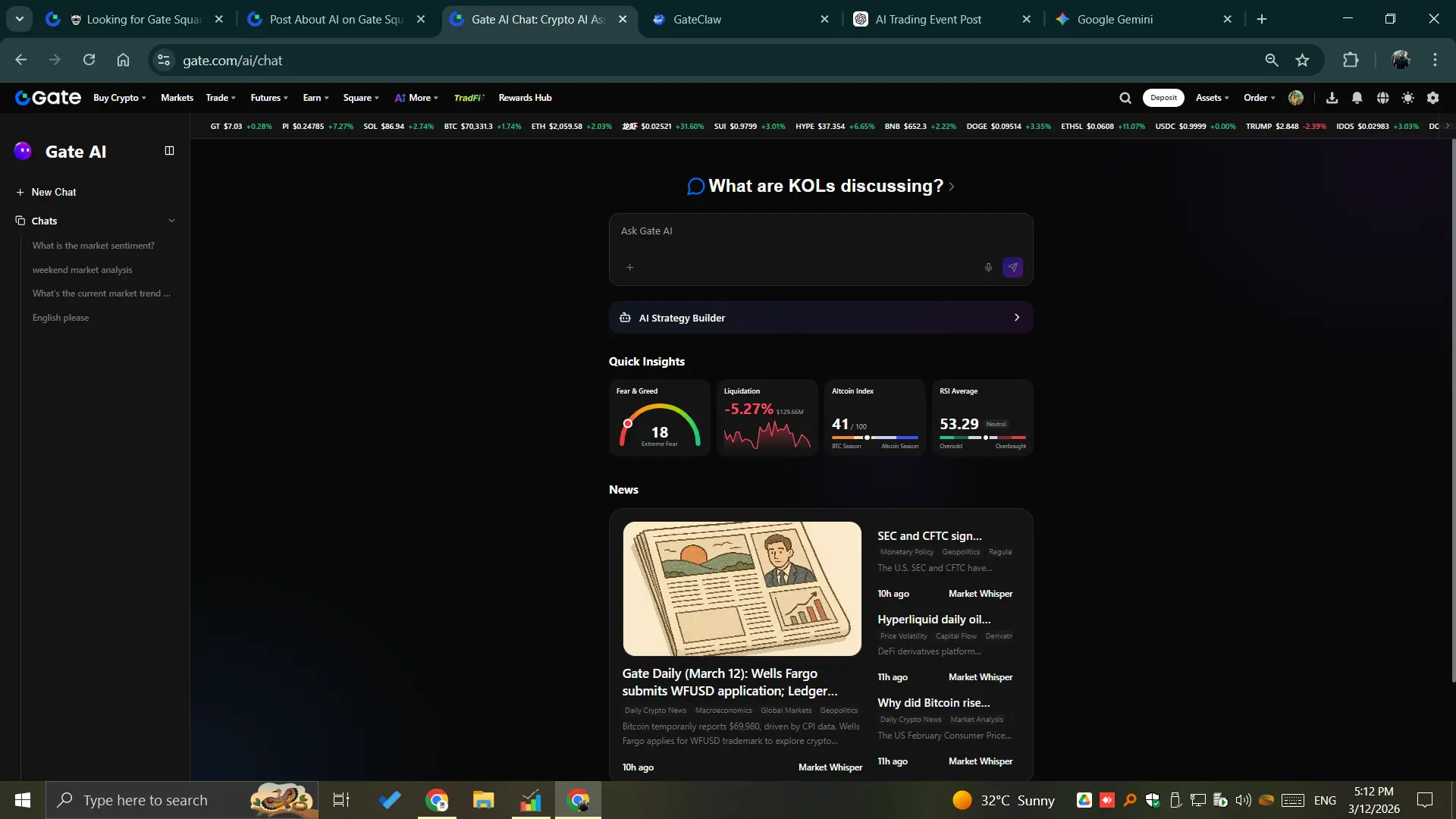
Gate Square just got smarter — meet the AI Reviewer, the intelligence layer built directly into the community.
Gate Square is where traders share ideas, call market moves, and build reputation in real time. Now, the AI Reviewer sits alongside every post — analyzing content quality, flagging low-signal noise, and surfacing the insights that actually matter to the community.
This is not moderation. This is elevation.
In a market flooded with hot takes, copy-paste analysis, and recycled narratives, the AI Reviewer helps the best content rise and the most valuable voices get
post-image
  • Reward
  • 1
  • Repost
  • Share
Crypto_Buzz_with_Alexvip:
🚀 “Next-level energy here — can feel the momentum building!”
#KalshiRaisesOver1B
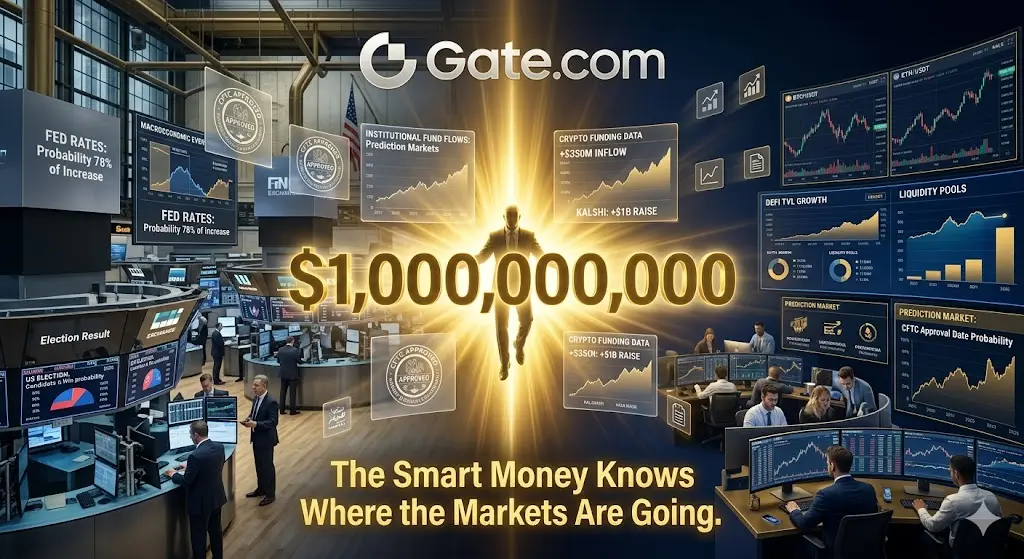
Kalshi just raised over $1 billion — and that number tells you everything about where regulated prediction markets are heading.
Kalshi is not a crypto exchange. It is a CFTC-regulated prediction market platform where users trade on the outcome of real-world events — elections, economic data, interest rate decisions, and more. A $1 billion raise at this stage signals that institutional capital is betting heavily on the convergence of financial markets and event-driven trading.
For the crypto world, this is a signal, not just a headline. The lines between traditional finance
post-image
post-image
  • Reward
  • 1
  • Repost
  • Share
Crypto_Buzz_with_Alexvip:
🚀 “Next-level energy here — can feel the momentum building!”
#BitcoinSupportAndResistanceAnalysis
Bitcoin is at a crossroads — and the levels you watch right now will define the next major move.
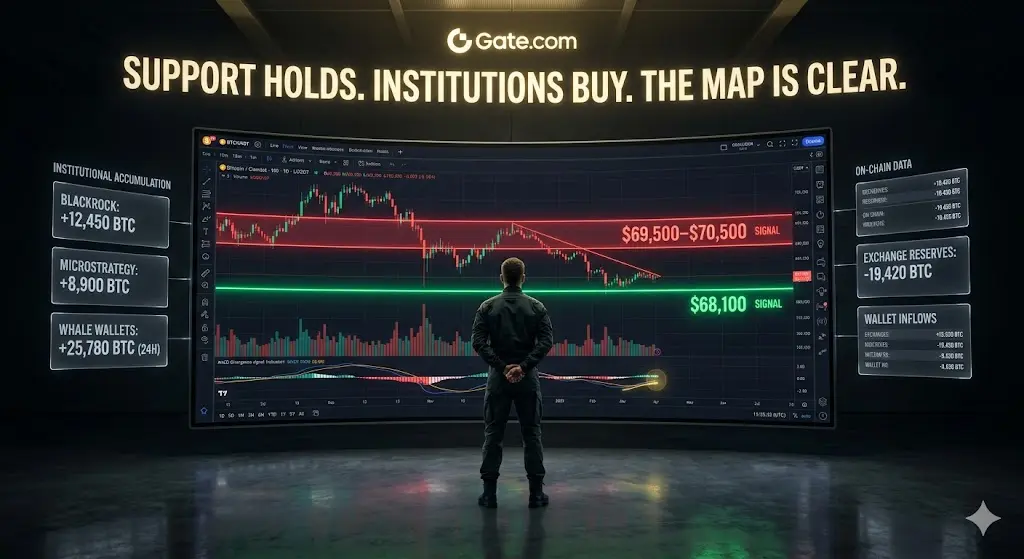
BTC is currently trading around $68,300, down 3% in 24 hours and 8.8% over the past week. The 4-hour chart is flashing oversold readings on both CCI and Williams %R, while a MACD bullish divergence is forming — historically a signal worth watching closely. The daily timeframe shows a MACD death cross in play, but KDJ is deep in oversold territory, suggesting the selling pressure may be approaching exhaustion.
Key support to watch sits near $68,100 — the 24-hour
BTC-3,66%
post-image
  • Reward
  • 2
  • Repost
  • Share
Crypto_Buzz_with_Alexvip:
🚀 “Next-level energy here — can feel the momentum building!”
View More
#OpenAIPlansDesktopSuperApp
OpenAI is building a desktop super app — and the race to own your daily digital workflow just got serious.
When the world's leading AI lab moves beyond chatbots into a full desktop experience, it signals something bigger: AI is no longer a tool you open. It is becoming the environment you work inside. Productivity, research, communication, and decision-making — all unified under one intelligent layer.
For crypto traders and investors, this shift matters. The platforms that will win the next decade are the ones building toward that same vision — seamless, intelligen
post-image
  • Reward
  • 1
  • Repost
  • Share
Crypto_Buzz_with_Alexvip:
🚀 “Next-level energy here — can feel the momentum building!”
#CreatorLeaderboard
The Gate Creator Leaderboard is where words meet rewards — and the best voices in crypto rise to the top.
Gate.com built a space where real traders, analysts, and content creators get recognized for the value they bring to the community. The more you create, the more you engage, the higher you climb — and the leaderboard keeps score so the community always knows who is leading the conversation.
Whether you are breaking down chart patterns, calling market moves, or sharing your trading journey — your content has value here. The leaderboard turns that value into rankings, re
post-image
post-image
  • Reward
  • 1
  • Repost
  • Share
Crypto_Buzz_with_Alexvip:
🚀 “Next-level energy here — can feel the momentum building!”
Crypto market volatility is not the enemy — it is the signal. And right now, the signals are loud.
BTC is trading around $68,300, down over 3% in24 hours. ETH has dropped 4.2%, testing key support near $2,050. The Fear and Greed Index sits at 10 — deep in Extreme Fear territory. Yet on-chain data tells a different story: whales are buying, institutions are accumulating, and long-dormant wallets are waking up.
Volatility creates the entry points that bull markets are made of. The traders who thrive are not the ones who avoid the storm — they are the ones who come prepared with the right tools,
BTC-3,66%
ETH-5,32%
post-image
Gate广场_Officialvip
Gate plaza | 3/20 Today's Hot Topics #加密行情震荡
🎁 Analyze the market and win a chance for 5 lucky dragons to share $1,500 in position experience vouchers!
⚖️ Market Game: The market is oscillating widely, is it a counter-attack or pullback?
The crypto market has been weak for three consecutive days, with long/short positioning entering a fever pitch. BTC briefly broke through the $69,000 level during the session, then quickly recovered and is currently consolidating above $70,000. ETH pulled back with the broader market, breaking below the $2,200 support level, searching for new bottom support.
💬 This week's hot topics:
1️⃣ Is your current position strategy "holding cash" or "building positions in tranches"?
2️⃣ What are some resilient coins worth paying attention to in the current market?
3️⃣ Can BTC hold firm at the $70,000 level?
Share your views and win great prizes 👉 https://www.gate.com/post
📅 3/20 15:00 - 3/22 18:00 (UTC+8)
repost-content-media
  • Reward
  • 1
  • Repost
  • Share
Crypto_Buzz_with_Alexvip:
🚀 “Next-level energy here — can feel the momentum building!”
#TradFiIntroducesMultiLeverageFirst
Gate TradFi just introduced multi-leverage — and it is a first in crypto-native traditional finance trading.
Gold, silver, oil, indices, forex — all available on Gate TradFi with leveraged CFD access, right from your crypto account. No switching platforms. No separate brokerage. Just one app, one balance, one ecosystem.
This is what bridging TradFi and crypto actually looks like in practice — not a concept paper, not a roadmap promise. Live. Now. On gate.com.
TradFi is where the next wave of traders come from. Gate just made it easier for them to arrive.
‍#
post-image
post-image
  • Reward
  • 1
  • Repost
  • Share
Crypto_Buzz_with_Alexvip:
🚀 “Next-level energy here — can feel the momentum building!”
Thirteen years ago, Dr. Han Lin built Gate from a single conviction: that crypto deserved an exchange built for the long run, not the quick exit.
Most exchanges that launched in 2013 are gone. Gate is still here — still building, still listing, still serving millions of users across every market cycle, bull and bear alike.
Thirteen years is not luck. It is infrastructure. It is the team that stayed through the 2018 bear market, through the 2020 crash, through FTX contagion when the entire industry asked who they could still trust. Gate answered that question by being exactly what it had always
GT-3,8%
post-image
post-image
Gate广场_Officialvip
Gate 13th Anniversary Celebration ✨
Gate announces the launch of a series of activities for its 13th anniversary! From the brand’s 13th anniversary themed dinner to the global trading competition, as well as top international industry events such as Paris Blockchain Week and Hong Kong Web3 Carnival, we are working together with the global community to explore a new era of crypto: "Your Gateway to iWeb3."
Milestone Highlights:
🔹 50 million users worldwide, over 4,500 assets, ample liquidity
🔹 Spot and derivatives trading volumes consistently rank among the top globally, with a reserve ratio of 125%
🔹 Robust compliance framework covering key markets
🔹 Gate for AI leverages six core capabilities to empower AI Agents to achieve autonomous trading in a closed loop
🔹 GateRouter provides unified access to mainstream large language models; GateClaw reduces the barriers to intelligent trading
From a leading global trading platform to a comprehensive digital asset ecosystem, Gate continues to strengthen infrastructure, expand its global footprint, foster innovation, and push boundaries.
In the next 13 years, Gate will co-create infinite possibilities with users worldwide!
Learn more: https://www.gate.com/announcements/article/50284
#Gate13周年全球庆典
repost-content-media
  • Reward
  • 1
  • Repost
  • Share
Crypto_Buzz_with_Alexvip:
🚀 “Next-level energy here — can feel the momentum building!”
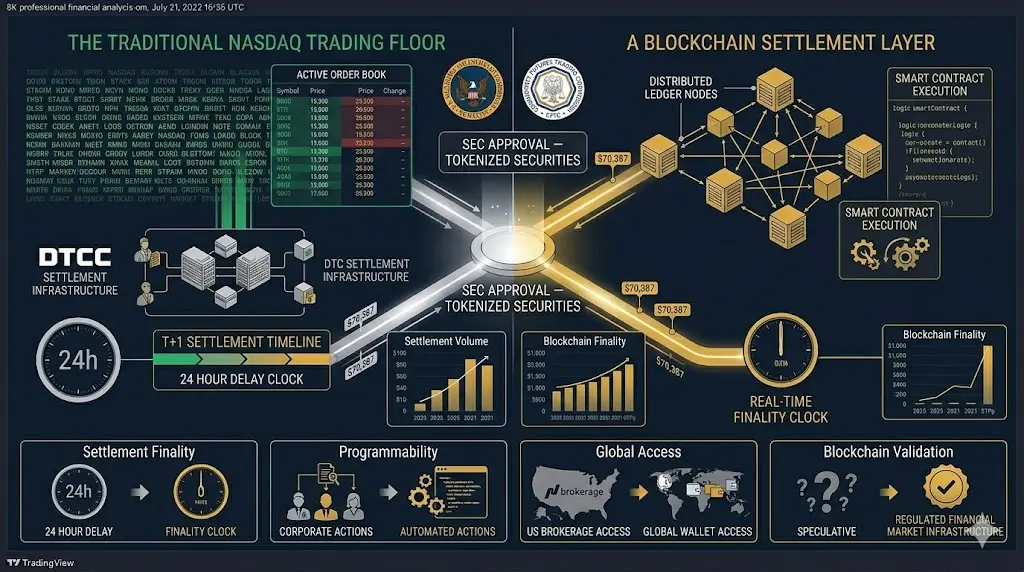
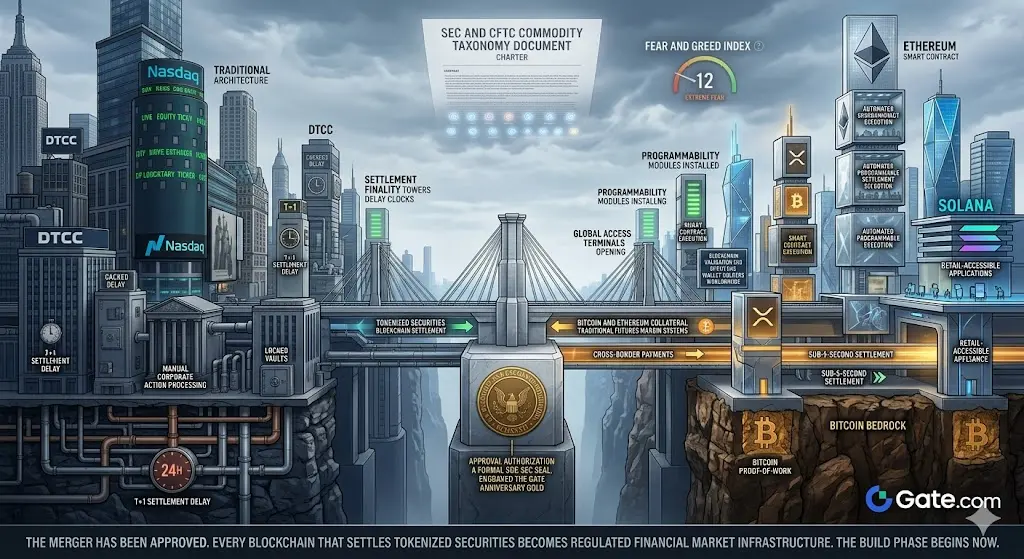
The SEC approving Nasdaq to trade tokenized securities is not an incremental regulatory update. It is the formal merger of the two largest financial market infrastructures in the world — traditional capital markets and blockchain-based asset settlement — into a single operational framework. The implications extend far beyond crypto. They restructure the entire architecture of how capital markets function.
What this approval actually means in operational terms:
Nasdaq is not a startup. It is the second-largest stock exchange on the planet by market capitalization of listed companies, the primar
post-image
post-image
Yusfirahvip
#SECApprovesNasdaqTokenizedSecuritiesTrading
SEC Approves Nasdaq Tokenized Securities Trading A New Era in Finance
The global financial landscape is undergoing a profound transformation as tokenized securities move from concept to reality. The recent development under #SECApprovesNasdaqTokenizedSecuritiesTrading marks a significant milestone in this evolution, signaling that blockchain technology is no longer peripheral but actively shaping the future of regulated financial markets. This convergence of traditional finance and decentralized infrastructure reflects a broader trend: the digitization of assets, enhanced transparency, and democratization of investment opportunities.
Tokenized securities convert traditional financial instruments including stocks, bonds, and ETFs into digital tokens that exist on a blockchain. Each token represents ownership of an underlying asset, enabling near-instantaneous, 24/7 trading, faster settlement, and reduced reliance on multiple intermediaries that slow down traditional markets. This shift has the potential to unlock liquidity, enhance market efficiency, and broaden global investor participation, particularly for retail and cross-border investors who previously faced high entry barriers.
The regulatory clarity provided by the SEC is a key enabler of this transformation. By defining how tokenized securities fit within existing frameworks, the SEC ensures that investor protections, transparency, and market integrity remain intact. Institutional investors, who have often remained cautious due to legal uncertainty, can now engage with tokenized assets with greater confidence. This also sets a precedent for other jurisdictions, demonstrating that blockchain integration can coexist with robust regulatory oversight.
Nasdaq, as one of the world’s leading stock exchanges, is positioning itself at the forefront of this digital transformation. By exploring tokenized securities trading, Nasdaq is not just digitizing assets but reimagining the very infrastructure of capital markets. Blockchain enables automated compliance, faster settlement, and reduced transaction costs, creating a more efficient and globally accessible system. Institutions and retail investors alike could benefit from fractional ownership, where high-value assets can be purchased in smaller units, lowering the barrier to entry and fostering broader market participation.
Beyond efficiency and accessibility, tokenized securities enhance transparency and trust. Every transaction is recorded on a distributed ledger, reducing the risk of fraud and making audits, compliance checks, and corporate actions such as dividend distributions more seamless. Smart contracts automate these processes, eliminating human error and creating predictable, reliable outcomes for investors.
The impact on markets is multi-layered. For the crypto sector, tokenized securities represent institutional validation and a pathway to mainstream adoption. Traditional finance (TradFi), on the other hand, gains the efficiency, automation, and liquidity advantages historically associated with DeFi, signaling a convergence of TradFi and DeFi. Over time, this integration could reshape global financial infrastructure, creating a system that is more interconnected, inclusive, and resilient.
However, the transition is not without challenges. Regulatory harmonization across jurisdictions remains a critical concern. Tokenized securities issued on one blockchain may face conflicting rules in different countries, requiring continuous oversight and international coordination. Cybersecurity risks, platform reliability, and investor education are additional factors that must be addressed to ensure sustainable growth. Regulators like the SEC play a crucial role in balancing innovation with protection, ensuring that technological advances do not compromise market integrity.
From an investment perspective, tokenized securities open new strategic opportunities. Fractional ownership allows retail investors to access previously inaccessible assets, ETFs can be issued as tokens with real-time settlement, and liquidity can be dynamically managed across multiple markets. For institutional players, tokenized assets offer new avenues for portfolio diversification, automated compliance, and cross-border capital allocation. The ability to trade tokenized securities on regulated blockchain networks bridges the gap between traditional market infrastructure and the fast-evolving digital asset ecosystem.
Looking ahead, the SEC and Nasdaq’s initiatives are more than a regulatory milestone; they signal a structural transformation in global finance. As blockchain technology matures and adoption scales, tokenized securities could become a standard component of capital markets, alongside traditional equities and bonds. This transformation promises to make financial markets more efficient, globally inclusive, and resilient to operational bottlenecks, while providing both retail and institutional investors with unprecedented access to liquidity and investment opportunities.
In conclusion, the approval of tokenized securities trading under regulatory oversight represents a turning point in financial history. Institutions like the SEC and Nasdaq are not merely observing blockchain innovation; they are actively integrating it into the financial system. Investors, traders, and institutions now have a clearer path toward a digital, decentralized, and globally accessible market. The era of tokenized finance has arrived, and with it, a new paradigm for investment, trading, and capital allocation one that is efficient, transparent, and built for the future.
repost-content-media
  • Reward
  • 10
  • Repost
  • Share
Crypto_Buzz_with_Alexvip:
🚀 “Next-level energy here — can feel the momentum building!”
View More
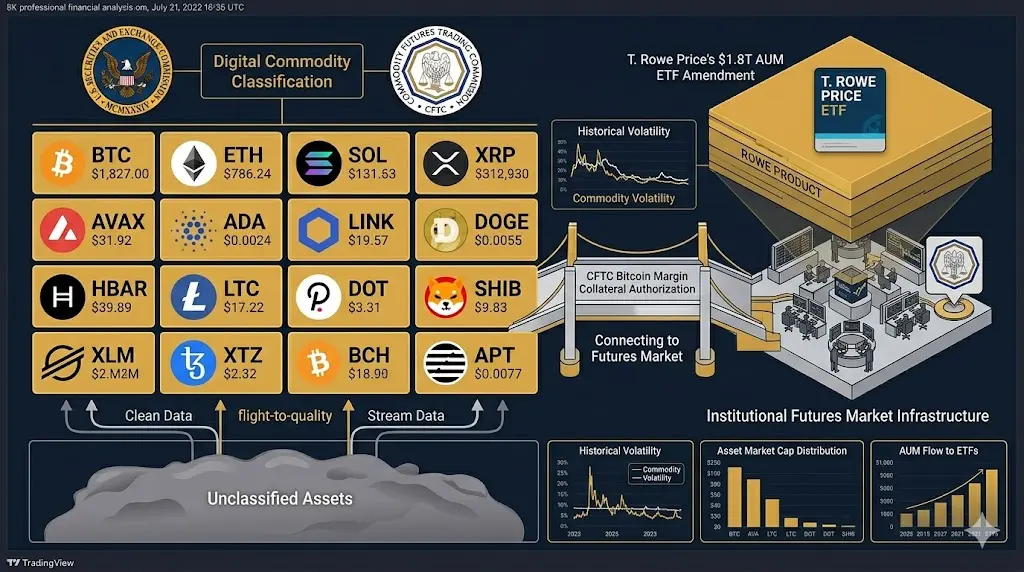
The joint SEC and CFTC crypto asset taxonomy release is the single most consequential regulatory development for the digital asset industry since the approval of spot Bitcoin ETFs. It deserves to be read precisely — not through the lens of what the community hoped it would say, but through the lens of what it actually does and what it deliberately does not do.
What the taxonomy actually establishes:
The SEC and CFTC jointly published a formal interpretive framework that explicitly classifies 16 digital assets as digital commodities rather than securities. The named assets include BTC, ETH, SOL
post-image
post-image
MoonGirlvip
#SECAndCFTCNewGuidelines
The End of Regulatory Ambiguity: How the SEC and CFTC's New Joint Framework Is Reshaping the Entire Crypto Industry
The Most Significant Regulatory Shift in Crypto's History Has Just Happened and Most People Haven't Processed It Yet
For the better part of a decade, the single most paralyzing force in the crypto industry was not market volatility, not liquidity risk, not even security vulnerabilities. It was regulatory uncertainty. The absence of clear, consistent rules governing what a digital asset actually is — whether it is a security, a commodity, a currency, a collectible, or something entirely novel created a legal and operational environment so ambiguous that serious institutional capital stayed on the sidelines, legitimate projects operated in perpetual legal jeopardy, and enforcement actions were launched not on the basis of clear rules but on contested interpretations of laws written decades before blockchain technology existed.
That era is now formally over.
In a development that deserves far more attention than the short-term price action is receiving, the SEC and CFTC have jointly released a landmark regulatory framework coordinated under the banner of "Project Crypto" that for the first time provides structured, voted, published clarity on exactly how digital assets are classified, who regulates what, and what the rules of engagement are for every participant in the ecosystem. This is not a staff letter. It is not informal guidance. It is a commission-level interpretive document, voted on by the full SEC commission, published in the Federal Register, and explicitly coordinated with the CFTC for consistency.
The Gensler era's weaponized ambiguity is over. The post-Clayton "investment contract" framework that generated years of enforcement uncertainty is replaced. What comes next is a defined, navigable regulatory landscape and understanding it is now mandatory for anyone who participates seriously in this market.
What the SEC's New Framework Actually Says
Galaxy Research's Alex Thorn, one of the most rigorous analysts tracking regulatory developments in crypto, summarized the core structure of the new SEC guidance this week. The framework establishes five categories of digital assets, with fundamentally different regulatory treatment for each:
Digital Commodities assets that function as decentralized stores of value or medium of exchange without a centralized issuing entity making ongoing material promises to holders. These fall primarily under CFTC jurisdiction and are not treated as securities. BTC is the clearest example.
Digital Collectibles NFTs and similar assets whose value derives from uniqueness and cultural significance rather than expectation of profit from managerial efforts. Not securities in the vast majority of cases.
Digital Utilities tokens that provide access to a specific platform, service, or protocol, where the value is tied to usage rather than investment return expectation. These are the assets that created the most enforcement ambiguity under the prior framework. The new guidance provides safe harbor conditions under which utility tokens are not treated as securities, even during initial distribution.
Stablecoins a distinct category with its own regulatory considerations, primarily around reserve requirements and redemption mechanisms, rather than securities law analysis. The coordination with Congressional Clarity Act legislation is moving in parallel.
Digital Securities (or Tokenized Securities) this is the only category that remains squarely under securities law. If an asset represents ownership in an enterprise, entitles holders to dividends or profit-sharing, or is marketed primarily as an investment in a managed business, it is a security and must be registered or exempt under federal securities law.
The critical clarification: only Category 5 requires securities registration. The prior enforcement posture — which treated almost any token as a potential unregistered security based on a broad reading of the Howey test — is explicitly replaced by a more structured, narrower analysis.
The Four Rule Changes That Matter Most
Rule Change 1: The "Sufficient Decentralization" Test Is Eliminated
Under the prior framework, projects argued that their tokens became non-securities once the underlying network achieved "sufficient decentralization" a standard that was never formally defined, was applied inconsistently across enforcement actions, and left projects in a permanent state of uncertainty about when, if ever, they crossed the legal threshold. The new guidance eliminates this test entirely and replaces it with a concrete, objective criterion: whether the issuer has made and fulfilled publicly disclosed core development commitments. Once those commitments are demonstrably completed, the asset can trade in secondary markets without continuing securities classification, regardless of any ongoing community development activity.
Rule Change 2: Secondary Market Trading Is Explicitly Protected for Non-Securities
One of the most operationally damaging aspects of the prior enforcement environment was the theory that secondary market trading of a token could independently constitute an unregistered securities offering, even if the original issuance had been conducted legitimately. The new guidance explicitly rejects this position. Non-securities digital assets in Categories 1 through 4 can be traded freely in secondary markets without triggering securities registration requirements. Exchanges listing these assets are not operating unlicensed securities exchanges.
Rule Change 3: Safe Harbors for Airdrops, Mining, and Staking
The new framework explicitly provides safe harbor treatment for three of the most common token distribution and participation mechanisms in the crypto ecosystem. Airdrops — the distribution of tokens to existing holders or users as a promotional or governance mechanism — do not constitute securities offerings. Mining — the process of validating transactions and receiving newly issued tokens as compensation — is not a securities transaction. Staking — locking tokens to participate in network validation and receiving yield as compensation — is not an investment contract.
These three safe harbors remove the legal cloud that has hovered over DeFi participation, staking services, and token distribution mechanics for years.
Rule Change 4: The "Efforts of Others" Analysis Is Narrowed Dramatically
The Howey test's fourth prong that an investment contract requires expectation of profit from the "efforts of others" — was applied under the prior framework to include essentially any third-party activity that might affect a token's price, including community discussion, social media commentary, and third-party developer activity. The new guidance restricts this analysis to only the core management commitments of the issuing entity. What the community says, what third-party developers build, what social media accounts post — none of this is attributable to the issuer for purposes of the securities analysis.
The Bigger Picture: Why This Moment Is a Structural Inflection Point
The history of every major financial market includes a moment when the regulatory framework matured from reactive and ambiguous to proactive and structured. That maturation is typically the precondition for the next major wave of institutional capital and mainstream adoption, because capital — particularly institutional capital — does not flow at scale into markets where the legal rules are unknown or inconsistently applied.
The SEC and CFTC's joint framework is that maturation moment for crypto. It does not resolve every question. It does not eliminate all compliance complexity. It does not prevent future enforcement actions against genuine fraud. What it does is replace a regime of enforced uncertainty with a regime of defined rules — and that shift, once made, tends to be irreversible.
The hashtag says SECAndCFTCNewGuidelines. The reality is larger than the hashtag suggests. This is the regulatory foundation on which the next phase of the industry will be built.
#MoonGirl
  • Reward
  • 11
  • Repost
  • Share
Crypto_Buzz_with_Alexvip:
🚀 “Next-level energy here — can feel the momentum building!”
View More
#USIranWarUpdates
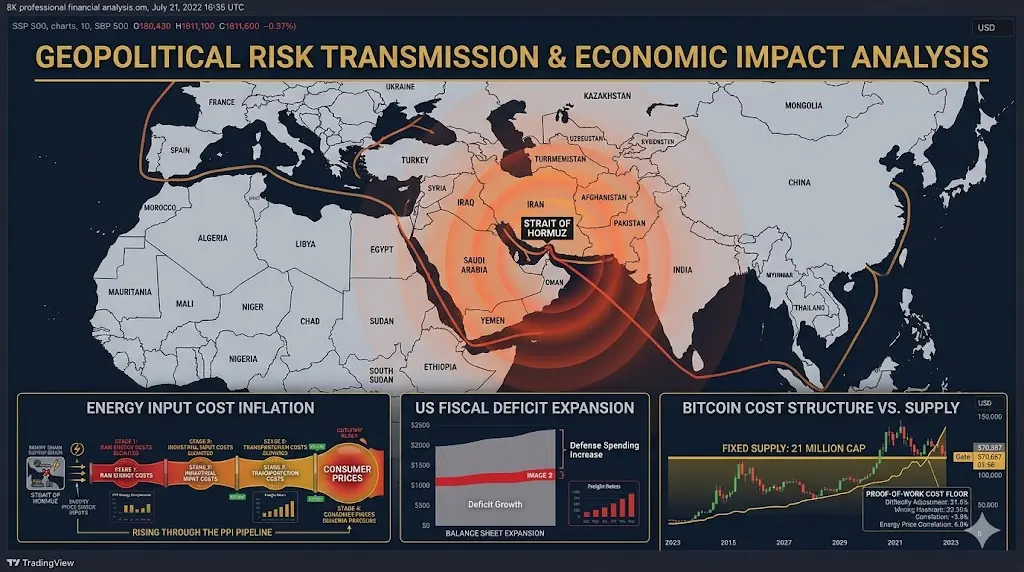
Geopolitical conflict in the Middle East has historically been one of the most reliable generators of energy price volatility, safe-haven demand, and institutional portfolio rebalancing. The current situation around the Strait of Hormuz is the most significant supply-side shock to global energy markets since the early 2020s — and its read-through to crypto is specific, structural, and directly visible in the on-chain and market data already available.
The energy price transmission mechanism:
The Strait of Hormuz handles approximately 20% of global oil trade and a substantial
BTC-3,66%
ETH-5,32%
GT-3,8%
post-image
  • Reward
  • 9
  • 1
  • Share
ShainingMoonvip:
To The Moon 🌕
View More
#USFebPPIBeatsExpectations
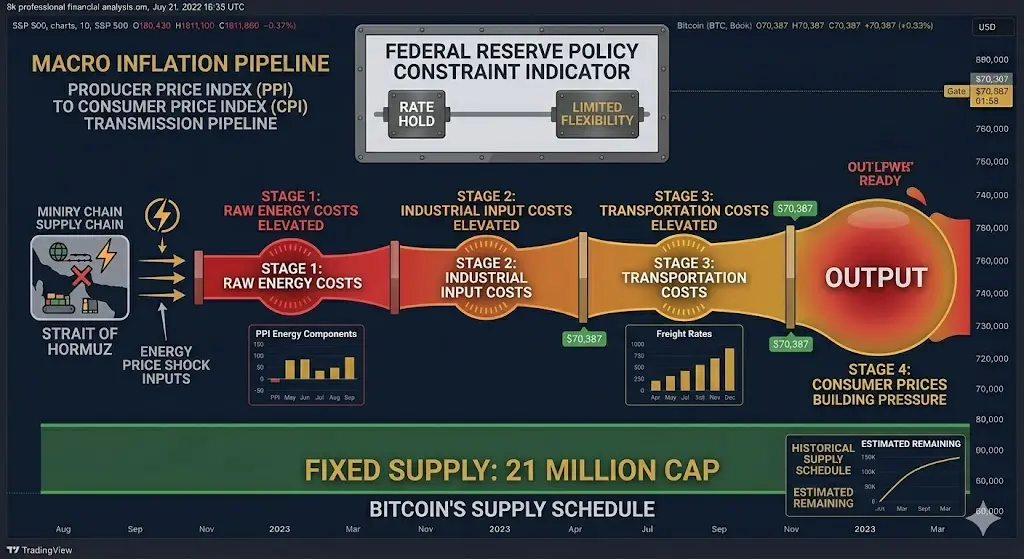
A PPI print that beats expectations in an already elevated inflation environment is not just a data point. It is a structural argument — and it lands differently depending on which side of the monetary policy debate you are on, and which assets you hold.
What PPI actually measures and why it leads:
The Producer Price Index measures inflation at the wholesale level — the prices that producers receive for the goods and services they sell before those goods reach consumers. It is a leading indicator for CPI. When PPI comes in above expectations, it tells you that infla
BTC-3,66%
ETH-5,32%
SOL-4,77%
XRP-4,1%
post-image
  • Reward
  • 8
  • Repost
  • Share
ShainingMoonvip:
To The Moon 🌕
View More
  • Pin