Trade
Basic
Futures
Futures
Hundreds of contracts settled in USDT or BTC
TradFi
Gold
Trade global traditional assets with USDT in one place
Options
Hot
Trade European-style vanilla options
Unified Account
Maximize your capital efficiency
Demo Trading
Futures Kickoff
Get prepared for your futures trading
Futures Events
Participate in events to win generous rewards
Demo Trading
Use virtual funds to experience risk-free trading
Earn
Launch
CandyDrop
Collect candies to earn airdrops
Launchpool
Quick staking, earn potential new tokens
HODLer Airdrop
Hold GT and get massive airdrops for free
Launchpad
Be early to the next big token project
Alpha Points
Trade on-chain assets and enjoy airdrop rewards!
Futures Points
Earn futures points and claim airdrop rewards
Investment
Simple Earn
Earn interests with idle tokens
Auto-Invest
Auto-invest on a regular basis
Dual Investment
Buy low and sell high to take profits from price fluctuations
Soft Staking
Earn rewards with flexible staking
Crypto Loan
0 Fees
Pledge one crypto to borrow another
Lending Center
One-stop lending hub
VIP Wealth Hub
Customized wealth management empowers your assets growth
Private Wealth Management
Customized asset management to grow your digital assets
Quant Fund
Top asset management team helps you profit without hassle
Staking
Stake cryptos to earn in PoS products
Smart Leverage
New
No forced liquidation before maturity, worry-free leveraged gains
GUSD Minting
Use USDT/USDC to mint GUSD for treasury-level yields

More


0x31adsun

No content yet
0x31adsun
City Intercontinental Missile Launch Site👀
The scene of the intercontinental missile launch in the city is truly impressive. Witness the powerful engines igniting, the massive missile soaring into the sky, and the moment of ignition that marks a new milestone in aerospace technology. This site is a symbol of national strength and technological advancement, showcasing the country's capabilities in missile development and strategic defense. Observers are captivated by the precision and scale of the operation, highlighting the importance of this launch for national security and scientific progre
View OriginalThe scene of the intercontinental missile launch in the city is truly impressive. Witness the powerful engines igniting, the massive missile soaring into the sky, and the moment of ignition that marks a new milestone in aerospace technology. This site is a symbol of national strength and technological advancement, showcasing the country's capabilities in missile development and strategic defense. Observers are captivated by the precision and scale of the operation, highlighting the importance of this launch for national security and scientific progre
- Reward
- like
- Comment
- Repost
- Share
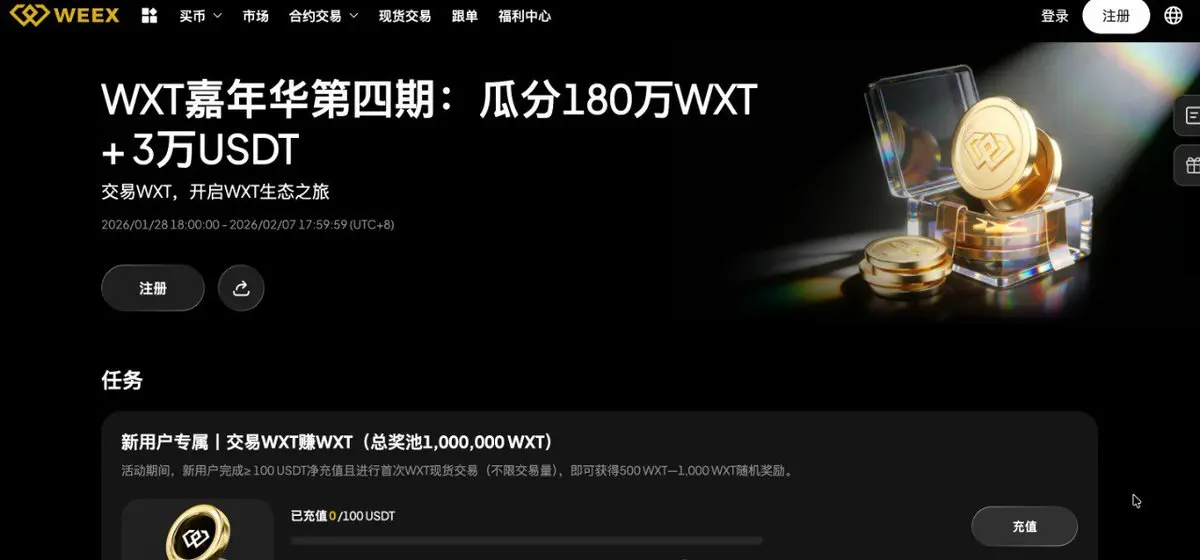
Before the New Year, let's go all out again and harvest another round of platform rewards. WXT Carnival Phase 4 has definitely gone all in this time, with 1.8 million WXT + 30,000 U, significantly more than the previous three phases. The gameplay is divided into new users and old users, each following their own paths.
First, for new users, the advantages are obvious—they get more rewards. Recharge 100 U, buy any WXT spot, no need to buy much, and you can directly get 500–1000 WXT for free. After purchasing, hold onto it without moving, and if your holdings exceed 2000 WXT, claim 100 WXT; old
View OriginalFirst, for new users, the advantages are obvious—they get more rewards. Recharge 100 U, buy any WXT spot, no need to buy much, and you can directly get 500–1000 WXT for free. After purchasing, hold onto it without moving, and if your holdings exceed 2000 WXT, claim 100 WXT; old
- Reward
- like
- Comment
- Repost
- Share
Revisit @Bybit_Official CEO @benbybit's speech on the future of finance. After a day of reflection, I truly felt its significance. No one denies the stability and efficiency of traditional finance, but it always feels like a set of cold rules — slow transfers, difficult cross-border transactions, uniform products. Essentially, we are adapting to the system, not the other way around. The "new financial era" that Ben mentions is never about flashy crypto concepts, but about the word "programmable." Financial rules are no longer fixed; they can dynamically adjust to human needs. This is the real
View Original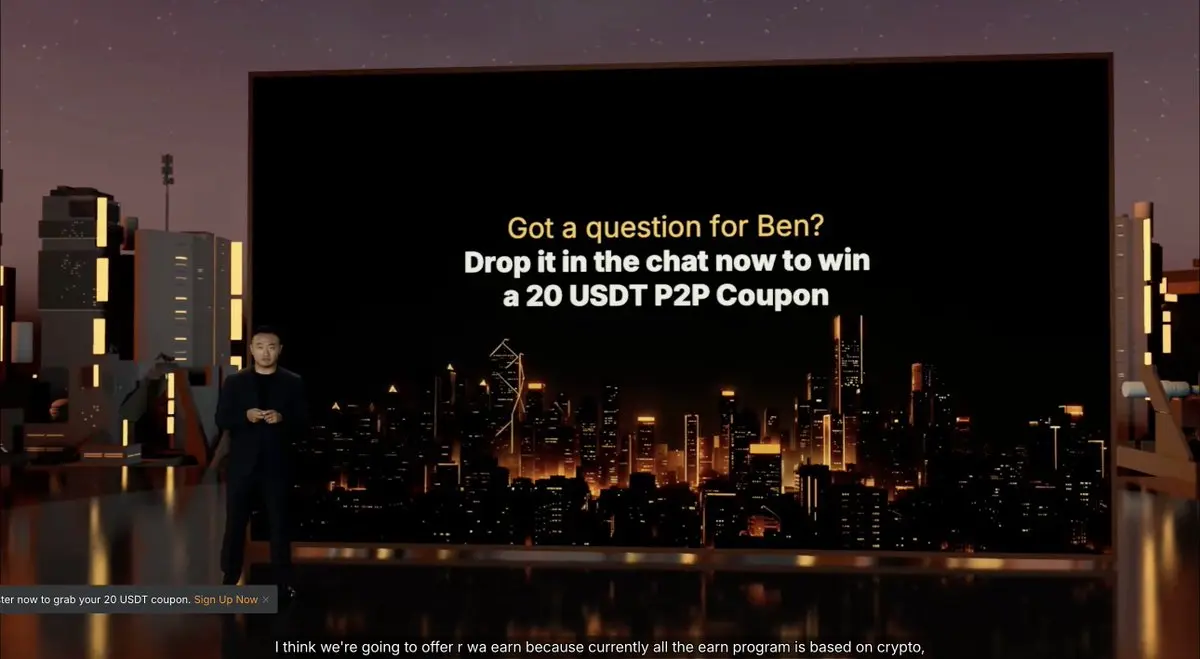
- Reward
- like
- Comment
- Repost
- Share
I used to have to go through the hassle of opening an MT5 account to trade gold and silver. The entire process was in English and quite complicated. Now, trading gold and silver is much easier. On Gate's TradFi section, just click to open an account and then transfer funds normally. The popular metal categories are enough to satisfy me. I tried trading gold on TradFi. I noticed that on other platforms, XAU starts at 500x leverage, but I didn't dare to try when I wasn't familiar with the rules. Gate TradFi is innovative, offering exclusive support for gold leverage from 20x up to 500x. I opened
View Original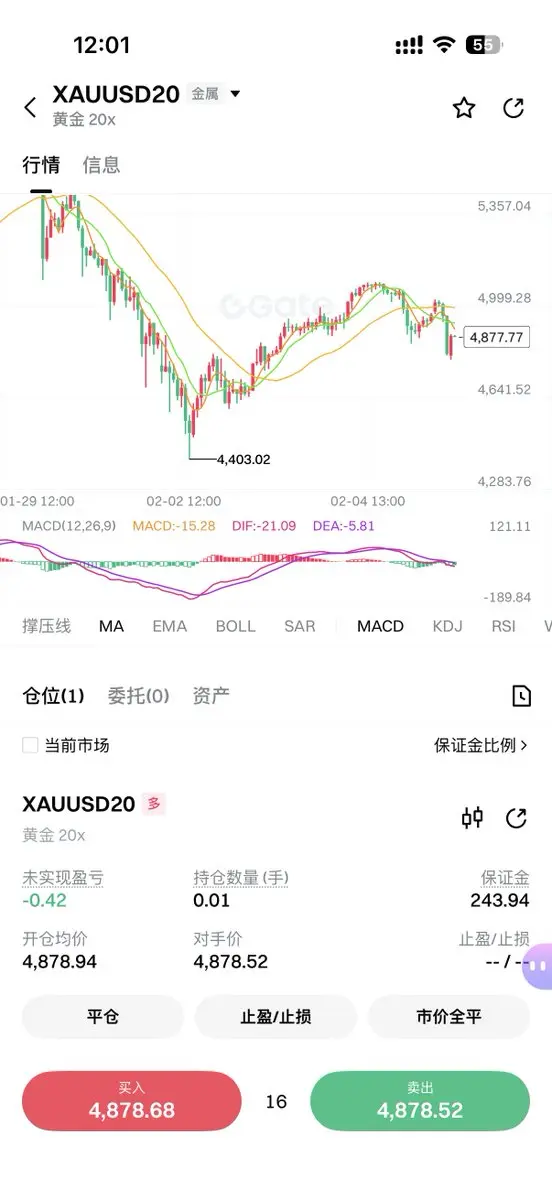
- Reward
- like
- Comment
- Repost
- Share
"Rich Dad Poor Dad" author Robert's words still hit hard and feel real when read again today: Ordinary people are frantically grabbing discounts at the supermarket, but when the financial market "discounts," they panic and sell off in a rush; whereas true rich people, at this moment, hold onto cash tightly and wait patiently for the bottoming opportunity. The current decline in gold, silver, and Bitcoin is essentially a glaring "discount period," and smart people have already prepared for it. When the market plunges, is your first reaction panic and escape, or excitement at the opportunity? No
View Original
- Reward
- like
- Comment
- Repost
- Share