
 :
:#USIranTensionsImpactMarkets
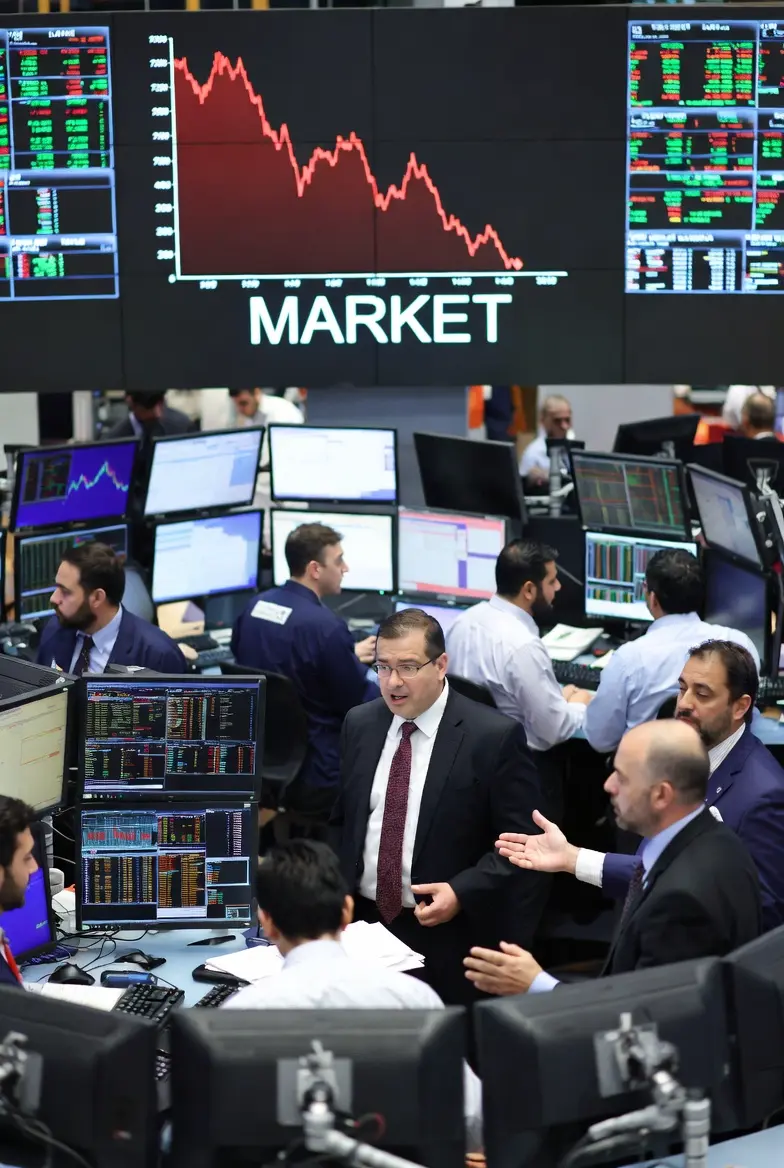
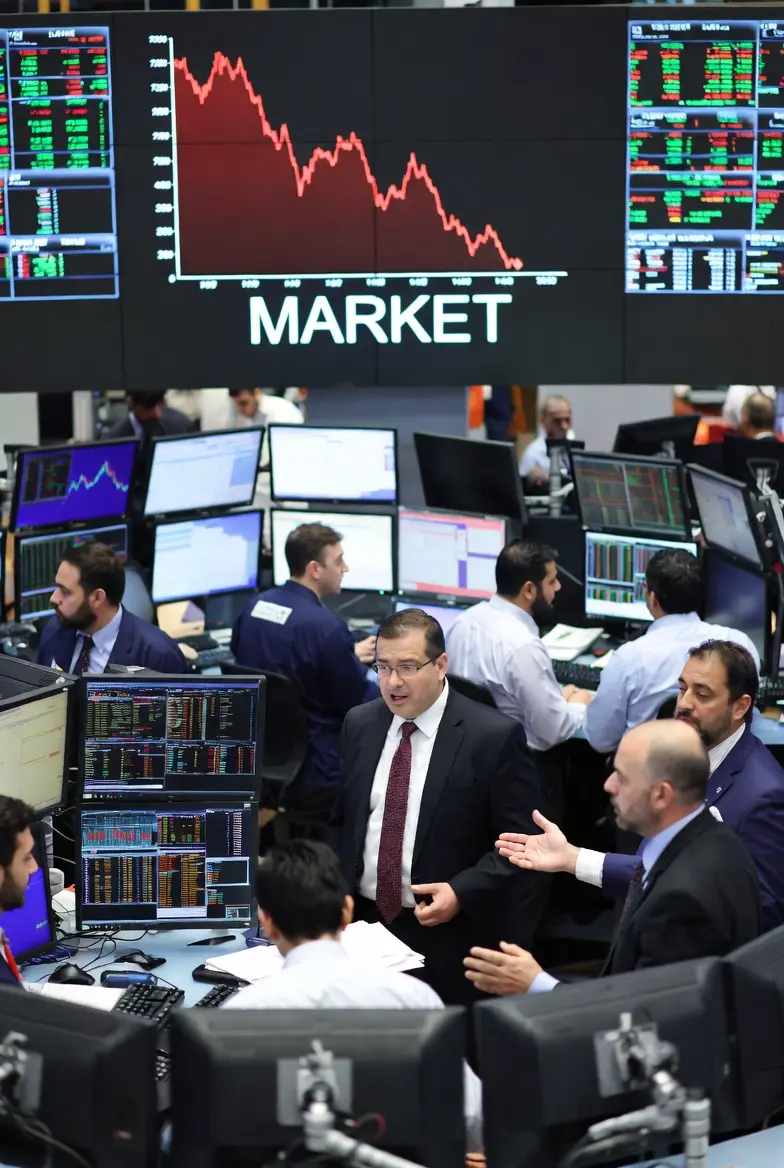
Geopolitical tension is one of the most powerful and unpredictable forces in global financial markets. When conflict risk rises between major state actors, markets respond immediately. Capital seeks safety. Volatility expands. Commodities reprice. Risk assets react sharply.
Under the theme #USIranTensionsImpactMarkets, we are witnessing a classic macro stress scenario where geopolitical uncertainty intersects with fragile liquidity conditions across equities, commodities, currencies, and digital assets.
This is not just a headline driven reaction. It is a structural repricing of risk across interconnected global markets.
This deep analysis will break down the macro transmission channels, asset class reactions, historical precedents, crypto implications, institutional positioning, and forward looking risk scenarios.
Geopolitical Risk as a Market Catalyst
Tensions between United States and Iran are not new. However, markets react not to history, but to escalation probability.
When geopolitical tension increases, markets assess three primary risks:
Energy supply disruption
Military escalation probability
Sanctions or trade shock expansion
These risks transmit through global financial channels rapidly.
Oil Market Reaction
The first and most immediate reaction typically occurs in crude oil markets. Iran is a major regional energy producer, and the Middle East is critical to global energy logistics routes.
When tension escalates, traders price in supply risk premium. Even if no actual supply disruption occurs, futures markets anticipate worst case scenarios.
Oil price spikes can cause:
Inflation expectations to rise
Bond yields to react
Central bank policy projections to shift
Equity market margin compression
Energy sensitive sectors often experience heightened volatility during such periods.
Equity Market Impact
Equities generally move into risk off mode during geopolitical escalation.
Institutional investors reduce exposure to:
High beta tech stocks
Emerging market equities
Speculative growth sectors
Instead, capital rotates into:
Defensive stocks
Utilities
Defense sector companies
Cash equivalents
The magnitude of equity reaction depends on whether the tension remains rhetorical or escalates into active conflict.
Bond Market Response
US Treasury bonds often act as safe haven assets during geopolitical stress.
When uncertainty rises:
Treasury yields may fall as capital flows into safety
Dollar liquidity strengthens
Short term volatility spikes
However, if oil driven inflation risk rises significantly, bond yields may move higher instead due to inflation expectations.
Currency Market Effects
Geopolitical tension strengthens safe haven currencies and pressures risk sensitive currencies.
The US dollar often benefits due to global reserve status.
Emerging market currencies may weaken.
Commodity linked currencies may fluctuate based on oil direction.
Currency volatility increases cross asset volatility.
Gold and Safe Haven Assets
Gold historically benefits from geopolitical instability.
When tension escalates, investors seek hard asset protection. Gold demand rises due to:
Inflation hedge perception
Currency debasement concerns
War risk hedging
Gold rallies during geopolitical stress often coincide with volatility spikes across equity indices.
Crypto Market Reaction
The crypto market’s reaction to geopolitical events is complex and evolving.
Bitcoin can behave in two different ways depending on context:
As a high beta risk asset
As a digital store of value
In early escalation phases, Bitcoin may sell off alongside equities due to risk reduction.
In prolonged uncertainty with currency instability, Bitcoin may recover as alternative value storage demand increases.
This dual nature makes crypto uniquely volatile during geopolitical crises.
Short Term Crypto Volatility
During sudden geopolitical headlines:
Leverage gets liquidated rapidly
Funding rates fluctuate sharply
Perpetual markets experience volatility spikes
Liquidity thins temporarily
Short term price swings are often amplified due to derivative positioning.
Stablecoin Dynamics
Stablecoin demand often increases during geopolitical stress within emerging markets.
Citizens facing currency instability or capital controls may move into dollar backed stablecoins as financial protection.
This dynamic can increase on chain transaction activity even if price volatility rises.
Historical Context
Past US Iran escalations have historically triggered:
Short term oil price spikes
Temporary equity drawdowns
Gold rallies
Volatility index surges
However, markets often stabilize if escalation does not evolve into sustained conflict.
Geopolitical fear frequently produces sharp but temporary dislocations unless supply chains are materially disrupted.
Institutional Risk Management
Large institutions respond to geopolitical tension through systematic risk models.
They reduce exposure to:
High volatility assets
Over leveraged positions
Emerging market debt
They increase exposure to:
Safe government bonds
Defensive equities
Cash positions
Crypto allocations are typically adjusted based on liquidity conditions and risk metrics.
Inflation Risk Implications
If oil prices rise persistently due to geopolitical disruption, inflation expectations increase.
Higher inflation can lead to:
Delayed rate cuts
Tighter monetary policy
Pressure on growth assets
Increased bond yield volatility
This creates a challenging environment for equities and speculative assets.
However, inflation driven narratives sometimes support Bitcoin’s long term thesis as a limited supply asset.
Derivatives Market Stress
Geopolitical headlines often cause sudden derivative liquidations across asset classes.
In crypto:
Open interest may drop rapidly
Funding rates swing negative
Volatility premiums expand
In equities:
Options implied volatility increases
Put option demand rises
Hedging costs increase
Volatility is both a reaction and a catalyst.
Energy Supply Scenarios
The market models several escalation scenarios:
Limited rhetoric without military action
Targeted strikes without supply disruption
Major supply chain disruption
Regional escalation affecting shipping routes
Each scenario carries different economic consequences.
Oil supply disruption in strategic transit corridors would have far greater global impact than localized tension.
Regional Market Exposure
Middle Eastern equity markets may experience direct volatility.
Energy exporting countries may benefit from higher oil prices.
Energy importing nations may face inflationary pressure.
Emerging markets with fragile currencies often suffer disproportionately during geopolitical stress.
Crypto as a Borderless Asset
One structural advantage of crypto during geopolitical tension is its borderless nature.
Unlike traditional banking systems, blockchain transactions do not rely on cross border clearing systems.
This can increase interest in decentralized finance in regions experiencing financial restrictions.
However, regulatory responses to geopolitical tension may increase scrutiny on digital asset flows.
Risk Versus Opportunity
Geopolitical tension creates both risk and opportunity.
Traders must avoid emotional reaction.
Instead focus on:
Liquidity strength
Volatility regime shifts
Cross asset correlation
Macro confirmation
Short term spikes often reverse once headlines cool.
Long Term Structural Implications
If tensions de escalate, markets may retrace fear driven moves.
If tensions persist or escalate, structural economic shifts may occur including:
Energy supply diversification
Defense spending increases
Regional trade realignment
Currency reserve rebalancing
Such structural shifts influence markets for years, not weeks.
Strategic Approach for Traders
During geopolitical tension:
Reduce leverage exposure
Increase cash allocation
Monitor oil price movements
Track bond yield direction
Watch volatility indices
Avoid over trading headlines
The most dangerous environment is reactionary trading without structure confirmation.
Crypto Specific Strategy
For crypto traders:
Observe Bitcoin dominance levels
Monitor stablecoin inflows
Track funding rates
Analyze liquidation data
Focus on high liquidity pairs
If Bitcoin stabilizes while macro volatility remains high, it may signal internal strength.
Market Psychology
Fear amplifies price moves.
When headlines dominate sentiment, emotional trading increases.
Markets often overshoot in both directions during crisis moments.
Discipline and patience separate sustainable strategy from short term reaction.
Conclusion
#USIranTensionsImpactMarkets reflects the reality that geopolitics remains a powerful macro variable in a globally interconnected financial system.
Energy markets react first.
Equities follow with risk repricing.
Bonds and currencies adjust liquidity positioning.
Gold strengthens as a traditional safe haven.
Crypto experiences amplified volatility due to leverage and evolving narrative positioning.
Whether this episode becomes a short lived volatility spike or a longer structural economic shift depends on escalation trajectory.
For traders and investors, the priority remains clear.
Manage risk.
Avoid emotional positioning.
Respect volatility expansion.
Wait for structural confirmation before scaling exposure.
Geopolitical tension may be unpredictable, but disciplined strategy remains constant.
Geopolitical tension is one of the most powerful and unpredictable forces in global financial markets. When conflict risk rises between major state actors, markets respond immediately. Capital seeks safety. Volatility expands. Commodities reprice. Risk assets react sharply.
Under the theme #USIranTensionsImpactMarkets, we are witnessing a classic macro stress scenario where geopolitical uncertainty intersects with fragile liquidity conditions across equities, commodities, currencies, and digital assets.
This is not just a headline driven reaction. It is a structural repricing of risk across interconnected global markets.
This deep analysis will break down the macro transmission channels, asset class reactions, historical precedents, crypto implications, institutional positioning, and forward looking risk scenarios.
Geopolitical Risk as a Market Catalyst
Tensions between United States and Iran are not new. However, markets react not to history, but to escalation probability.
When geopolitical tension increases, markets assess three primary risks:
Energy supply disruption
Military escalation probability
Sanctions or trade shock expansion
These risks transmit through global financial channels rapidly.
Oil Market Reaction
The first and most immediate reaction typically occurs in crude oil markets. Iran is a major regional energy producer, and the Middle East is critical to global energy logistics routes.
When tension escalates, traders price in supply risk premium. Even if no actual supply disruption occurs, futures markets anticipate worst case scenarios.
Oil price spikes can cause:
Inflation expectations to rise
Bond yields to react
Central bank policy projections to shift
Equity market margin compression
Energy sensitive sectors often experience heightened volatility during such periods.
Equity Market Impact
Equities generally move into risk off mode during geopolitical escalation.
Institutional investors reduce exposure to:
High beta tech stocks
Emerging market equities
Speculative growth sectors
Instead, capital rotates into:
Defensive stocks
Utilities
Defense sector companies
Cash equivalents
The magnitude of equity reaction depends on whether the tension remains rhetorical or escalates into active conflict.
Bond Market Response
US Treasury bonds often act as safe haven assets during geopolitical stress.
When uncertainty rises:
Treasury yields may fall as capital flows into safety
Dollar liquidity strengthens
Short term volatility spikes
However, if oil driven inflation risk rises significantly, bond yields may move higher instead due to inflation expectations.
Currency Market Effects
Geopolitical tension strengthens safe haven currencies and pressures risk sensitive currencies.
The US dollar often benefits due to global reserve status.
Emerging market currencies may weaken.
Commodity linked currencies may fluctuate based on oil direction.
Currency volatility increases cross asset volatility.
Gold and Safe Haven Assets
Gold historically benefits from geopolitical instability.
When tension escalates, investors seek hard asset protection. Gold demand rises due to:
Inflation hedge perception
Currency debasement concerns
War risk hedging
Gold rallies during geopolitical stress often coincide with volatility spikes across equity indices.
Crypto Market Reaction
The crypto market’s reaction to geopolitical events is complex and evolving.
Bitcoin can behave in two different ways depending on context:
As a high beta risk asset
As a digital store of value
In early escalation phases, Bitcoin may sell off alongside equities due to risk reduction.
In prolonged uncertainty with currency instability, Bitcoin may recover as alternative value storage demand increases.
This dual nature makes crypto uniquely volatile during geopolitical crises.
Short Term Crypto Volatility
During sudden geopolitical headlines:
Leverage gets liquidated rapidly
Funding rates fluctuate sharply
Perpetual markets experience volatility spikes
Liquidity thins temporarily
Short term price swings are often amplified due to derivative positioning.
Stablecoin Dynamics
Stablecoin demand often increases during geopolitical stress within emerging markets.
Citizens facing currency instability or capital controls may move into dollar backed stablecoins as financial protection.
This dynamic can increase on chain transaction activity even if price volatility rises.
Historical Context
Past US Iran escalations have historically triggered:
Short term oil price spikes
Temporary equity drawdowns
Gold rallies
Volatility index surges
However, markets often stabilize if escalation does not evolve into sustained conflict.
Geopolitical fear frequently produces sharp but temporary dislocations unless supply chains are materially disrupted.
Institutional Risk Management
Large institutions respond to geopolitical tension through systematic risk models.
They reduce exposure to:
High volatility assets
Over leveraged positions
Emerging market debt
They increase exposure to:
Safe government bonds
Defensive equities
Cash positions
Crypto allocations are typically adjusted based on liquidity conditions and risk metrics.
Inflation Risk Implications
If oil prices rise persistently due to geopolitical disruption, inflation expectations increase.
Higher inflation can lead to:
Delayed rate cuts
Tighter monetary policy
Pressure on growth assets
Increased bond yield volatility
This creates a challenging environment for equities and speculative assets.
However, inflation driven narratives sometimes support Bitcoin’s long term thesis as a limited supply asset.
Derivatives Market Stress
Geopolitical headlines often cause sudden derivative liquidations across asset classes.
In crypto:
Open interest may drop rapidly
Funding rates swing negative
Volatility premiums expand
In equities:
Options implied volatility increases
Put option demand rises
Hedging costs increase
Volatility is both a reaction and a catalyst.
Energy Supply Scenarios
The market models several escalation scenarios:
Limited rhetoric without military action
Targeted strikes without supply disruption
Major supply chain disruption
Regional escalation affecting shipping routes
Each scenario carries different economic consequences.
Oil supply disruption in strategic transit corridors would have far greater global impact than localized tension.
Regional Market Exposure
Middle Eastern equity markets may experience direct volatility.
Energy exporting countries may benefit from higher oil prices.
Energy importing nations may face inflationary pressure.
Emerging markets with fragile currencies often suffer disproportionately during geopolitical stress.
Crypto as a Borderless Asset
One structural advantage of crypto during geopolitical tension is its borderless nature.
Unlike traditional banking systems, blockchain transactions do not rely on cross border clearing systems.
This can increase interest in decentralized finance in regions experiencing financial restrictions.
However, regulatory responses to geopolitical tension may increase scrutiny on digital asset flows.
Risk Versus Opportunity
Geopolitical tension creates both risk and opportunity.
Traders must avoid emotional reaction.
Instead focus on:
Liquidity strength
Volatility regime shifts
Cross asset correlation
Macro confirmation
Short term spikes often reverse once headlines cool.
Long Term Structural Implications
If tensions de escalate, markets may retrace fear driven moves.
If tensions persist or escalate, structural economic shifts may occur including:
Energy supply diversification
Defense spending increases
Regional trade realignment
Currency reserve rebalancing
Such structural shifts influence markets for years, not weeks.
Strategic Approach for Traders
During geopolitical tension:
Reduce leverage exposure
Increase cash allocation
Monitor oil price movements
Track bond yield direction
Watch volatility indices
Avoid over trading headlines
The most dangerous environment is reactionary trading without structure confirmation.
Crypto Specific Strategy
For crypto traders:
Observe Bitcoin dominance levels
Monitor stablecoin inflows
Track funding rates
Analyze liquidation data
Focus on high liquidity pairs
If Bitcoin stabilizes while macro volatility remains high, it may signal internal strength.
Market Psychology
Fear amplifies price moves.
When headlines dominate sentiment, emotional trading increases.
Markets often overshoot in both directions during crisis moments.
Discipline and patience separate sustainable strategy from short term reaction.
Conclusion
#USIranTensionsImpactMarkets reflects the reality that geopolitics remains a powerful macro variable in a globally interconnected financial system.
Energy markets react first.
Equities follow with risk repricing.
Bonds and currencies adjust liquidity positioning.
Gold strengthens as a traditional safe haven.
Crypto experiences amplified volatility due to leverage and evolving narrative positioning.
Whether this episode becomes a short lived volatility spike or a longer structural economic shift depends on escalation trajectory.
For traders and investors, the priority remains clear.
Manage risk.
Avoid emotional positioning.
Respect volatility expansion.
Wait for structural confirmation before scaling exposure.
Geopolitical tension may be unpredictable, but disciplined strategy remains constant.