

Trade
Basic
Futures
Futures
Hundreds of contracts settled in USDT or BTC
TradFi
Gold
Trade global traditional assets with USDT in one place
Options
Hot
Trade European-style vanilla options
Unified Account
Maximize your capital efficiency
Demo Trading
Futures Kickoff
Get prepared for your futures trading
Futures Events
Participate in events to win generous rewards
Demo Trading
Use virtual funds to experience risk-free trading
Earn
Launch
CandyDrop
Collect candies to earn airdrops
Launchpool
Quick staking, earn potential new tokens
HODLer Airdrop
Hold GT and get massive airdrops for free
Launchpad
Be early to the next big token project
Alpha Points
Trade on-chain assets and enjoy airdrop rewards!
Futures Points
Earn futures points and claim airdrop rewards
Investment
Simple Earn
Earn interests with idle tokens
Auto-Invest
Auto-invest on a regular basis
Dual Investment
Buy low and sell high to take profits from price fluctuations
Soft Staking
Earn rewards with flexible staking
Crypto Loan
0 Fees
Pledge one crypto to borrow another
Lending Center
One-stop lending hub
VIP Wealth Hub
Customized wealth management empowers your assets growth
Private Wealth Management
Customized asset management to grow your digital assets
Quant Fund
Top asset management team helps you profit without hassle
Staking
Stake cryptos to earn in PoS products
Smart Leverage
New
No forced liquidation before maturity, worry-free leveraged gains
GUSD Minting
Use USDT/USDC to mint GUSD for treasury-level yields

More






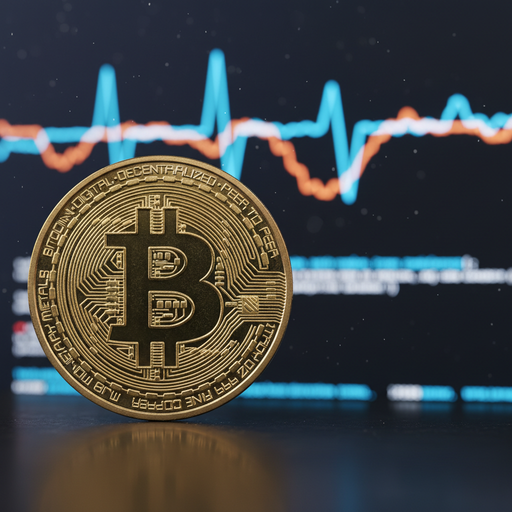
#USCoreCPIHitsFour-YearLow
The US core CPI has recently eased to its lowest point in four years, according to available reports. Over the two months ending in November, the Bureau of Labor Statistics (BLS) stated the core CPI rose just 0.2%, reflecting very mild inflationary pressure. This cool-off means that price increases for goods and services (excluding food and energy) have slowed down sharply.
What does this mean for the market?
A lower core CPI often signals that inflation is moderating, reducing pressure on the Federal Reserve to keep interest rates high.
For risk assets like crypto, tamer inflation improves the odds for future rate cuts—even though, as of late 2025, the short-term likelihood of an immediate rate cut was viewed as low by analysts
Historically, a drop in core CPI can be a market tailwind—unless it hints at economic slowdown.