

Trade
Basic
Futures
Futures
Hundreds of contracts settled in USDT or BTC
TradFi
Gold
Trade global traditional assets with USDT in one place
Options
Hot
Trade European-style vanilla options
Unified Account
Maximize your capital efficiency
Demo Trading
Futures Kickoff
Get prepared for your futures trading
Futures Events
Participate in events to win generous rewards
Demo Trading
Use virtual funds to experience risk-free trading
Earn
Launch
CandyDrop
Collect candies to earn airdrops
Launchpool
Quick staking, earn potential new tokens
HODLer Airdrop
Hold GT and get massive airdrops for free
Launchpad
Be early to the next big token project
Alpha Points
Trade on-chain assets and enjoy airdrop rewards!
Futures Points
Earn futures points and claim airdrop rewards
Investment
Simple Earn
Earn interests with idle tokens
Auto-Invest
Auto-invest on a regular basis
Dual Investment
Buy low and sell high to take profits from price fluctuations
Soft Staking
Earn rewards with flexible staking
Crypto Loan
0 Fees
Pledge one crypto to borrow another
Lending Center
One-stop lending hub
VIP Wealth Hub
Customized wealth management empowers your assets growth
Private Wealth Management
Customized asset management to grow your digital assets
Quant Fund
Top asset management team helps you profit without hassle
Staking
Stake cryptos to earn in PoS products
Smart Leverage
New
No forced liquidation before maturity, worry-free leveraged gains
GUSD Minting
Use USDT/USDC to mint GUSD for treasury-level yields

More


Trending Topics
View More81.27K Popularity
6.56K Popularity
6.31K Popularity
52.81K Popularity
3.58K Popularity




Pin
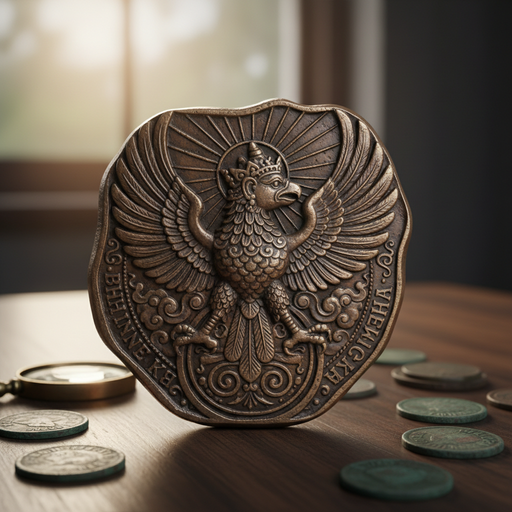
Rutherford Chang's artistic practice fundamentally questions how individuality emerges within standardized systems. His comprehensive projects—'We Buy White Albums,' 'The Class of 2008,' and 'CENTS'—demonstrate this concept by amassing thousands of seemingly identical objects and revealing their unique histories. Each item tells a story of preservation and personal transformation through time and human touch.
What makes Chang's work particularly relevant to digital-age preservation is his exploration of value across physical and virtual square spaces. By extending his archival methodology into blockchain inscription, he interrogates how we preserve meaning in mass-produced culture. His approach transforms preservation from a museum function into a community-driven conversation in the cultural square, challenging viewers to recognize individuality not as resistance to mass production, but as its inevitable byproduct. In this framework, both tangible artifacts and their digital preservation become statements about authenticity in an age of replication.