

Trade
Basic
Futures
Futures
Hundreds of contracts settled in USDT or BTC
Options
HOT
Trade European-style vanilla options
Unified Account
Maximize your capital efficiency
Demo Trading
Futures Kickoff
Get prepared for your futures trading
Futures Events
Participate in events to win generous rewards
Demo Trading
Use virtual funds to experience risk-free trading
Earn
Launch
CandyDrop
Collect candies to earn airdrops
Launchpool
Quick staking, earn potential new tokens
HODLer Airdrop
Hold GT and get massive airdrops for free
Launchpad
Be early to the next big token project
Alpha Points
NEW
Trade on-chain assets and enjoy airdrop rewards!
Futures Points
NEW
Earn futures points and claim airdrop rewards
Investment
Simple Earn
Earn interests with idle tokens
Auto-Invest
Auto-invest on a regular basis
Dual Investment
Buy low and sell high to take profits from price fluctuations
Soft Staking
Earn rewards with flexible staking
Crypto Loan
0 Fees
Pledge one crypto to borrow another
Lending Center
One-stop lending hub
VIP Wealth Hub
Customized wealth management empowers your assets growth
Private Wealth Management
Customized asset management to grow your digital assets
Quant Fund
Top asset management team helps you profit without hassle
Staking
Stake cryptos to earn in PoS products
Smart Leverage
NEW
No forced liquidation before maturity, worry-free leveraged gains
GUSD Minting
Use USDT/USDC to mint GUSD for treasury-level yields

More


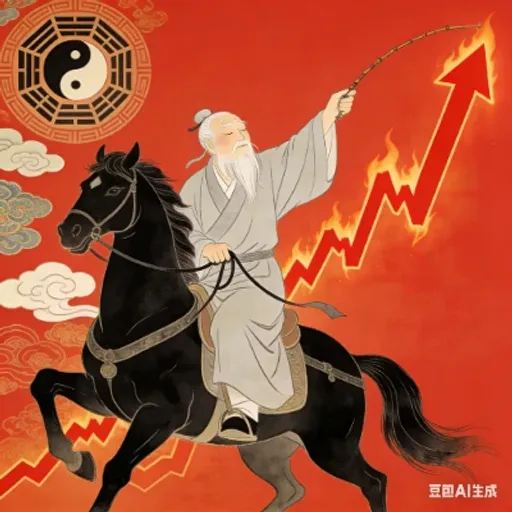



The Bank of Japan has been signaling rate hikes repeatedly over the past month, causing some tension in the global financial markets. Honestly, after playing an ultra-loose monetary policy for so many years, a shift now will definitely create ripples in capital flows, which is worth paying attention to.
**Current Situation is a Bit Urgent**
Japan's core CPI has been rising for 51 consecutive months, reaching 3.0% in November. For an economy accustomed to low inflation, this is quite uncomfortable. The exchange rate is also volatile—yen briefly depreciated to a low of 157.9, and imported inflation is intensifying. The central bank has no choice but to act. On December 19, the Bank of Japan reluctantly raised its policy rate to 0.75%, the highest since 1995, marking the fourth rate hike after ending negative interest rates in 2024.
**Carry Trade System is Reshaping**
The most immediate impact of this move is on those borrowing in Japan to invest in US stocks, emerging markets, or cryptocurrencies. We all know that "Mrs. Watanabe" and various international capital players rely on low yen financing costs to borrow and invest in higher-yield assets—this game now faces rising costs. The arbitrage space is shrinking, and capital will accelerate its flow back, creating a "liquidity withdrawal effect."
**Three Transmission Channels to Watch**
First, the stock market. In places like the US and Hong Kong, where foreign capital is concentrated, liquidity will tighten, with high-valuation tech sectors hit hardest. Second, in Asian emerging markets, capital outflows will increase, and exchange rate and stock market risks will rise. Third, risk assets like cryptocurrencies and commodities will see increased volatility, and the previously one-sided upward trend may need to be reassessed.
**But the Bank of Japan Has Its Own Limits**
Japan's economic fundamentals are not very optimistic—Q3 GDP contracted by 1.8% year-over-year, and government debt exceeds 250% of GDP. These constraints will limit their rate hike pace; they can't raise rates all at once. Meanwhile, expectations for Fed rate cuts haven't fully dissipated, which will push the BOJ to accelerate policy normalization.
In short, this policy shift by the Bank of Japan marks the beginning of a global deleveraging cycle. The subsequent pace of rate hikes will directly influence where capital flows, so investors should be mentally prepared and adjust their asset allocation strategies accordingly.