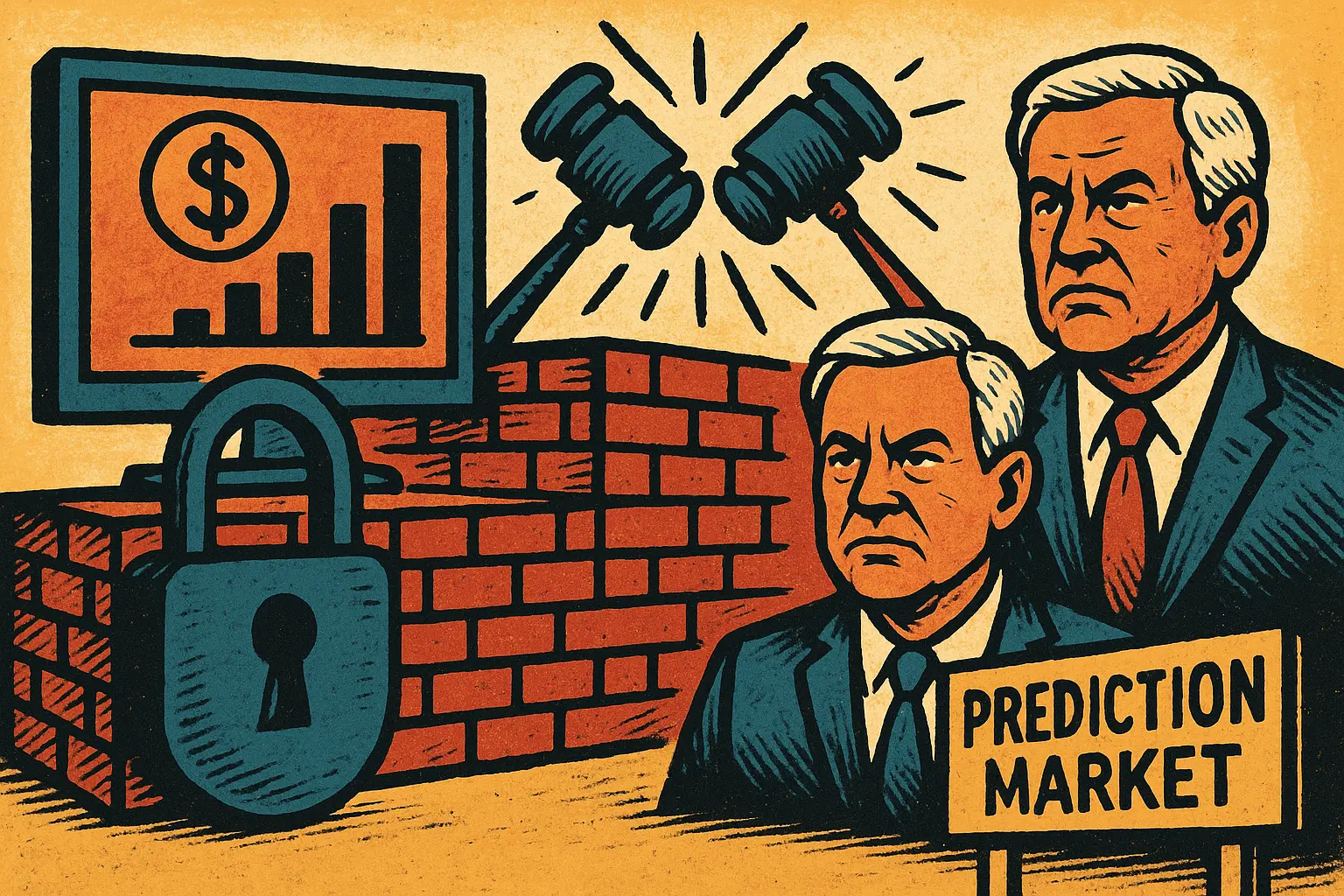
Predictive market platform Kalshi has introduced new trading safeguards, prohibiting political candidates from betting on markets related to their own campaigns, and preventing individuals known to participate in college or professional sports from trading on related markets. At the same time, Democratic Senator Adam Schiff and Republican Senator John Curtis introduced bipartisan legislation on the same day, aiming to ban event contracts on CFTC-registered platforms that resemble “sports betting or casino-style games.”
Kalshi and Polymarket’s Ban Measures: Different Focuses
The bans on the two platforms differ in scope and wording, but their core goal is the same—cutting off the connection between users with non-public information and the markets.
Main coverage of the bans
Kalshi’s proactive blocking: Political candidates are prohibited from betting on markets related to their own campaigns; known direct participants in sports events (athletes, staff, referees) are not allowed to trade on related event contracts.
Polymarket’s broader restrictions: Blocks any users who use stolen confidential information, illegal insider tips, or hold information capable of influencing market outcomes.
Timing: Polymarket announced first, followed by Kalshi a few hours later; the two did not publicly coordinate details.
Kalshi stated that the relevant bans have been in development for several months, aiming to actively respond to regulatory guidance and legislative discussions in Congress regarding insider trading and market manipulation in prediction markets.
Key Events Triggering Regulatory Pressure: Iran Bets and Venezuela Suspicion
The immediate background for this collective action is two recent high-profile suspicious betting incidents. Reports indicate that some Polymarket users placed timely bets before the US and Israel launched attacks on Iran, and precisely positioned before US military actions to arrest Venezuelan President Nicolás Maduro, both of which resulted in significant profits after the events.
Former Cointelegraph research analyst Ben Yorke told The Guardian that the bets on the Iran attack suggest “someone had access to some internal information”—these bets were executed at market prices and involved multiple accounts, clearly indicating an attempt to conceal identities.
“Prediction Markets as Gambling Bills”: Bipartisan Legislative Pressure
Schiff stated, “Sports prediction contracts are essentially sports betting, just under a different name. These contracts are offered in all fifty states, which clearly violates state and federal laws.” Curtis added that the legislation aims to “clarify regulatory jurisdiction and ensure states can continue to oversee sports betting and casino games.”
Kalshi CEO Tarek Mansour strongly countered on X (Twitter), calling the bill “the hard work of casino lobbying groups,” and said, “This bill is not about protecting consumers but about protecting monopolistic corporations.”
Currently, prediction market platforms like Kalshi, Polymarket, and Coinbase are embroiled in legal battles in multiple states, being accused of offering sports event contracts that are considered gambling and require state licensing. The platforms maintain that their contracts fall under the federal jurisdiction of the U.S. Commodity Futures Trading Commission (CFTC), not state laws.
Frequently Asked Questions
Q: What exactly do Kalshi and Polymarket’s insider trading bans prohibit?
A: Kalshi bans political candidates from betting on markets related to their campaigns and prohibits known direct participants in sports events from trading on related contracts. Polymarket’s ban is broader, blocking any users who possess stolen confidential information, illegal insider tips, or information capable of influencing market outcomes from trading.
Q: How does the “Prediction Markets as Gambling Bills” affect Kalshi?
A: If passed, Kalshi and other CFTC-registered platforms will be prohibited from listing event contracts that resemble “sports betting or casino-style games.” Kalshi’s CEO has publicly opposed the bill, arguing that its motivation is to protect casino interests and maintain monopolies, not consumer protection. The platform continues to assert that the CFTC has exclusive federal jurisdiction over such contracts.
Q: What is the core regulatory dispute between prediction markets and traditional sports betting?
A: The main issue is jurisdiction. Platforms like Kalshi argue they are under CFTC federal regulation and that their event contracts do not constitute gambling requiring state licenses. Conversely, states and supporting legislators believe that sports event contracts are functionally and risk-wise indistinguishable from traditional sports betting and should be regulated by state laws.
Disclaimer: The information on this page may come from third parties and does not represent the views or opinions of Gate. The content displayed on this page is for reference only and does not constitute any financial, investment, or legal advice. Gate does not guarantee the accuracy or completeness of the information and shall not be liable for any losses arising from the use of this information. Virtual asset investments carry high risks and are subject to significant price volatility. You may lose all of your invested principal. Please fully understand the relevant risks and make prudent decisions based on your own financial situation and risk tolerance. For details, please refer to
Disclaimer.


