U.S. Senator Introduces “Death Bets Act,” Banning Contracts Related to War, Assassination, and Death in Prediction Markets
This move will eliminate regulatory discretion and prevent moral and national security concerns.
U.S. Senator Proposes “Death Bets Act” to Ban Prediction Market Contracts
Democratic Senator Adam Schiff has officially introduced legislation to fully ban prediction market contracts related to terrorism, war, assassination, and personal death.
Named the “Death Bets Act,” this bill directly challenges the recent trend of relaxed regulation by the U.S. Commodity Futures Trading Commission (CFTC) on event-based trading. The bill will remove CFTC’s discretion to allow such contracts to be listed and will explicitly prohibit them in federal law, creating a conflict with Chairman Mike Selig’s deregulatory agenda.
On the same day, Senator Richard Blumenthal also promoted the “Prediction Market Safety and Integrity Act” to combat fraud and insider trading within prediction markets.
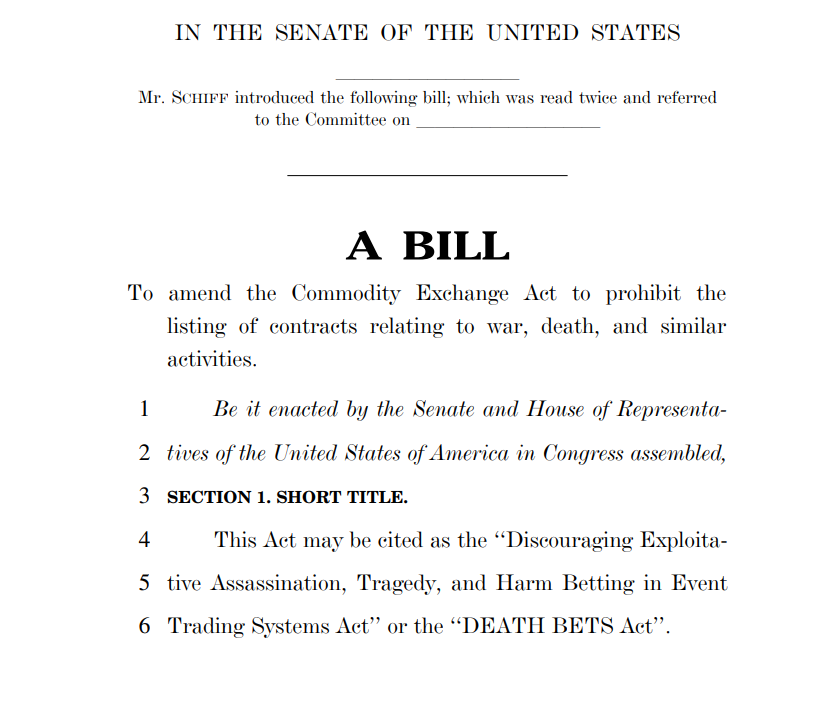
Image source: Death Bets Act document U.S. Senator introduces the Death Bets Act, banning prediction market contracts
New Legislation Eliminates Regulatory Flexibility and Addresses National Security Risks
As a member of the Senate Agriculture Committee overseeing the CFTC, Schiff is actively pushing for a ban on controversial contracts.
Under current Commodity Exchange Act, if the CFTC determines that contracts related to war, terrorism, or assassination violate public interest, it has the authority to block their listing. However, enforcement standards currently rely on subjective judgment by regulators, and protections can shift with leadership changes.
Schiff’s proposed bill will eliminate this flexibility, explicitly banning any contracts involving terrorism, assassination, war, or personal death listed on CFTC-registered exchanges, even those broadly interpreted as related to death.
Schiff stated that betting on war and death creates environments where insiders can profit from confidential information, threatening national security and increasing violence. He emphasized that betting with lives is unjustifiable and such markets do not serve the public interest.
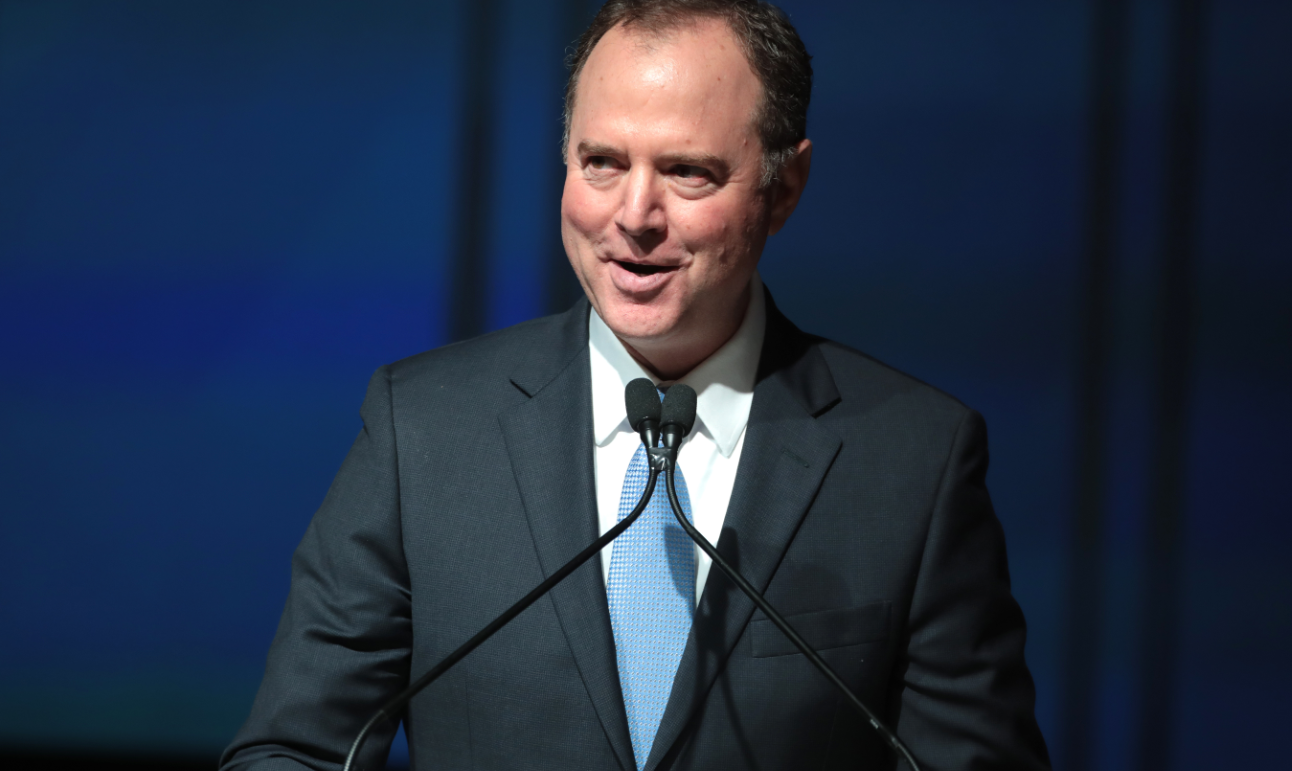
Image source: Wikimedia Commons, photographed by Gage Skidmore U.S. Senator Adam Schiff (D-California)
CFTC’s Deregulation Sparks Warning from Senators
In February, the CFTC withdrew a 2024 bill that aimed to fully ban political prediction markets, with Chairman Selig criticizing the previous overreach. That same month, Schiff and several other senators jointly sent a letter urging Selig to explicitly reaffirm the prohibition of contracts involving individual death.
The letter cited controversial prediction contracts on Polymarket, including whether Artemis II spacecraft would explode, whether Venezuelan President Nicolás Maduro would be deposed, and whether Russia would occupy the Ukrainian town of Myrnohrad, with reports of bettors earning up to 33,000% returns on some of these contracts.
Prediction Market Controversies Lead to Backlash and Litigation
Recent extreme prediction contracts have sparked strong public backlash.
For example, after Polymarket listed a contract predicting whether a nuclear weapon would be detonated by the end of this year, it faced widespread criticism and was subsequently taken down. Before closure, the platform showed a 22% chance of a nuclear explosion this year, with over $838,000 in trading volume.
Meanwhile, another prediction platform, Kalshi, is facing class-action lawsuits over its settlement of contracts predicting the resignation of Iran’s Supreme Leader Khamenei.
Following the U.S. and Israeli airstrikes that resulted in Khamenei’s death, Kalshi’s settlement terms sparked controversy, with plaintiffs alleging the platform used specific death exclusion clauses, preventing winners from receiving full payouts after Khamenei’s death, highlighting legal challenges such contracts face in practice.
Related reports:
Polymarket’s nuclear explosion contract attracts $650K in trading! Sparks moral and insider trading concerns, leading to emergency delisting
Kalshi’s “Iranian Leader Resignation” $50M prediction contract settlement sparks controversy! CEO: Rejecting death arbitrage
Disclaimer: The information on this page may come from third parties and does not represent the views or opinions of Gate. The content displayed on this page is for reference only and does not constitute any financial, investment, or legal advice. Gate does not guarantee the accuracy or completeness of the information and shall not be liable for any losses arising from the use of this information. Virtual asset investments carry high risks and are subject to significant price volatility. You may lose all of your invested principal. Please fully understand the relevant risks and make prudent decisions based on your own financial situation and risk tolerance. For details, please refer to
Disclaimer.


