
On the night of December 31, 2025, hacker TheCyberSecGuru exposed the PS5’s lowest level Level 0 BootROM key, a read-only key etched into the chip that subsequently appeared on public platforms. Approximately 80 million consoles worldwide are now trapped in a cybersecurity black hole that cannot be patched via software, and Sony faces three major crises: hardware redesign, piracy prevention, and emulator out-of-control.
Why Has the PS5 Level 0 Key Become a Deadly Weak Point?
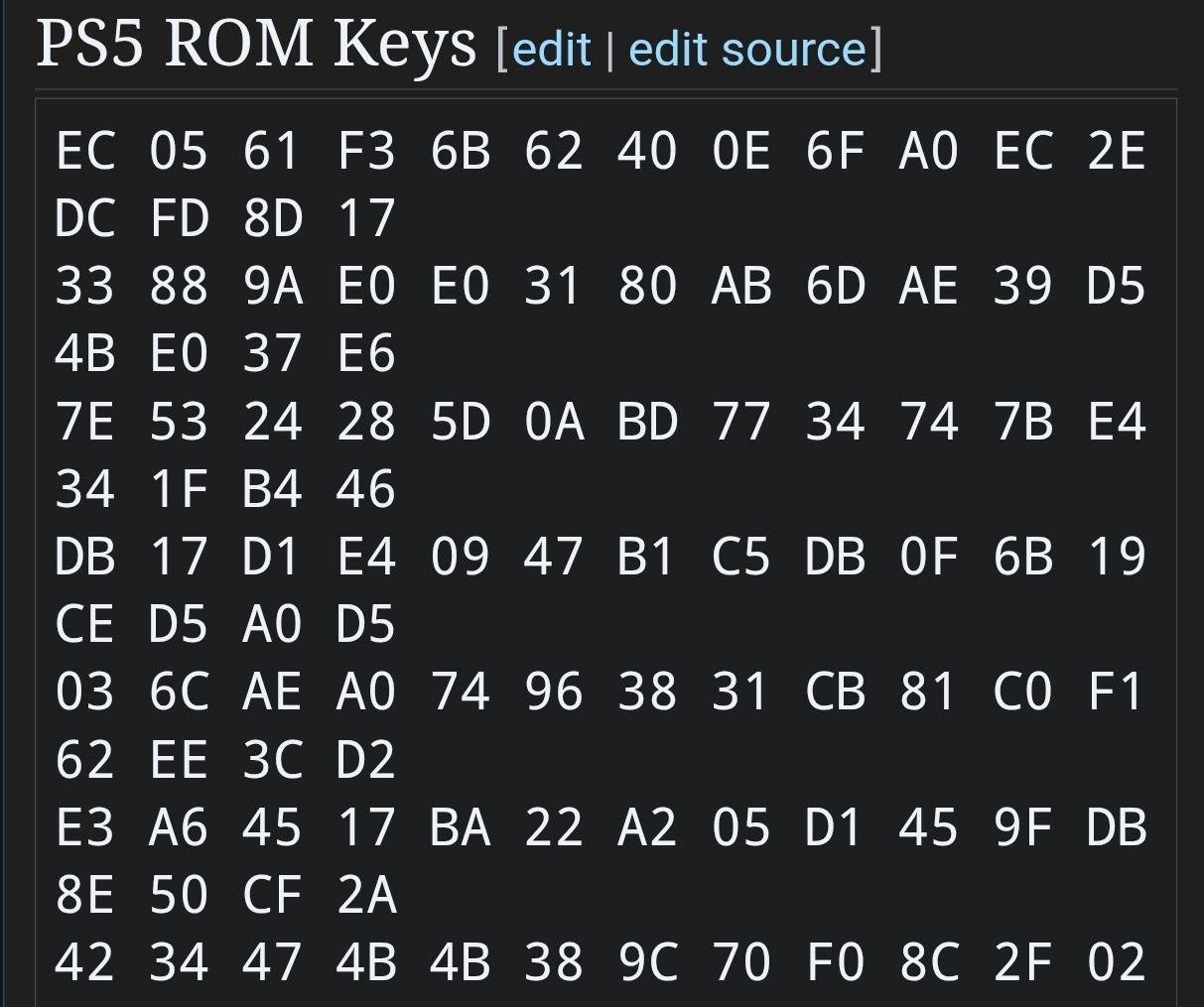
The security architecture of the PS5 is built on the “Chain of Trust” mechanism, with the BootROM serving as the most fundamental trust anchor, burned into the APU chip in read-only form. Every time the system boots, this Level 0 key is responsible for verifying the subsequent loading of the Secure Loader and Kernel, ensuring the entire system remains unaltered. Once this key is leaked, hackers can fully deconstruct the system boot process and bypass all upper-layer protections.
Even more critical is its “read-only” nature. This key is fixed during chip manufacturing and cannot be changed through firmware updates or online patches. If Sony forces a key change, millions of already sold PS5 consoles worldwide will be unable to boot due to failed verification with the new key, creating the largest product recall crisis in history. This “one-time design” was considered the safest protection measure at the time but has now become an irreversible single point of failure.
After the key leak, the technical community can now perform complete white-box analysis and reverse engineering. Developers no longer need to guess or brute-force system behavior but can directly access the full blueprint of the verification logic. Although expert Retr0id points out that cracking hardware protections like Fuses is still necessary to immediately run pirated games, this barrier has been significantly lowered—only a matter of time.
Sony’s Three Unsolvable Dilemmas
1. Hardware Dilemma: Redesign or Let It Be
Redesign costs astronomical: To fully resolve the issue, Sony’s only solution is to redesign the APU chip and replace the new key, which involves retooling production lines, re-verifying chips, and large-scale adjustments to the global supply chain. Conservative estimates suggest hardware redesign would take at least 6 to 12 months and could cost hundreds of millions of dollars.
Uncontrolled used market: Unmodified older PS5 models will become “crackable units,” creating a premium in the second-hand market. Nintendo Switch early models with hardware vulnerabilities can still be cracked; eBay still trades them above original retail price. The PS5 old models are likely to follow the same script, possibly even leading to “golden stock” speculation.
Confusion between old and new models: If Sony releases hardware revisions, how will consumers distinguish them? This will increase customer service costs and market confusion, potentially affecting sales strategies for PS5 Pro and future models.
2. Software Dilemma: Piracy Prevention Is Nearly Impossible
The most direct consequence of the key leak is the failure of DRM mechanisms. Hackers can bypass encryption verification for game discs and digital versions, creating and distributing pirated games. While Sony can perform online authentication via PlayStation Network (PSN), this only prevents online multiplayer games; single-player games will be fully exposed to piracy risks.
More seriously, the emergence of custom firmware (CFW) is underway. The community is discussing how to develop custom firmware that bypasses official systems, turning the PS5 into an open platform similar to Android phones. Sony will be forced to invest heavily in online detection, blocking suspicious consoles, and face endless cyber battles with hackers.
3. Ecosystem Dilemma: Emulator Acceleration and Crypto Payment Dreams Shattered
PS5 emulator projects on PC (like shadPS4) will rapidly evolve due to the key leak. Developers can now accurately simulate hardware behavior, meaning exclusive titles like Bloodborne and God of War: Ragnarok could run on PC at higher frame rates and better graphics, possibly even earlier than official remasters. This will weaken PS5’s core value as an exclusive content platform.
Additionally, Sony had planned to integrate cryptocurrency payments and NFT features on PS5, but the Level 0 key leak introduces major uncertainties. Blockchain transactions rely on hardware-level security modules (Secure Enclave) to protect private keys. Once the trust chain is broken, any hardware-based encryption applications will lose security guarantees. This may force Sony to delay or cancel related fintech plans.
Industry Shake-up and the Double-Edged Sword for Players
For the gaming industry, the PS5 hacking incident is a wake-up call. Microsoft’s Xbox Series X/S and Nintendo Switch 2 security teams are likely re-evaluating their trust chain designs to avoid repeating the same mistakes. Hardware manufacturers are beginning to realize that “read-only” is not foolproof; multi-layered, updatable security modules are necessary to address future key leaks.
For players, this hacking crisis is a double-edged sword. Tech enthusiasts will enter a golden age—porting Linux, homebrew applications, and custom systems will turn PS5 from a closed console into a general-purpose computing device. However, rampant piracy could severely damage game developers’ revenues, leading to lower quality exclusive titles or multi-platform releases, ultimately harming the entire gaming ecosystem.
Sony remains silent for now, but industry insiders expect an official statement within the coming weeks. Possible responses include strengthening PSN online authentication, releasing hardware revisions, pursuing legal action against leaks, and collaborating with game developers to establish new DRM mechanisms. However, the Level 0 key has already been spilled like water—irretrievable. Sony can only attempt to minimize the damage.
On January 1, 2026, the myth of the “absolutely secure” PS5 will be officially shattered. This security disaster at the chip level not only tests Sony’s crisis management but will reshape the entire gaming industry’s understanding of hardware security. Once a symbol of next-generation gaming experience, the PS5 will overnight be branded as a “technological relic,” serving as a stark reminder: when the hardware trust chain is broken, even the strongest software protections are as fragile as paper.
Disclaimer: The information on this page may come from third parties and does not represent the views or opinions of Gate. The content displayed on this page is for reference only and does not constitute any financial, investment, or legal advice. Gate does not guarantee the accuracy or completeness of the information and shall not be liable for any losses arising from the use of this information. Virtual asset investments carry high risks and are subject to significant price volatility. You may lose all of your invested principal. Please fully understand the relevant risks and make prudent decisions based on your own financial situation and risk tolerance. For details, please refer to
Disclaimer.


