

Trade
Basic
Futures
Futures
Hundreds of contracts settled in USDT or BTC
Options
HOT
Trade European-style vanilla options
Unified Account
Maximize your capital efficiency
Demo Trading
Futures Kickoff
Get prepared for your futures trading
Futures Events
Futures Mall
Participate in events to win generous rewards
Demo Trading
Use virtual funds to experience risk-free trading
Earn
Launch
CandyDrop
Collect candies to earn airdrops
Launchpool
Quick staking, earn potential new tokens
HODLer Airdrop
Hold GT and get massive airdrops for free
Launchpad
Be early to the next big token project
Alpha Points
NEW
Trade on-chain assets and enjoy airdrop rewards!
Futures Points
NEW
Earn futures points and claim airdrop rewards
Investment
Simple Earn
Earn interests with idle tokens
Auto-Invest
Auto-invest on a regular basis
Dual Investment
Buy low and sell high to take profits from price fluctuations
Soft Staking
Earn rewards with flexible staking
Crypto Loan
0 Fees
Pledge one crypto to borrow another
Lending Center
One-stop lending hub
VIP Wealth Hub
Customized wealth management empowers your assets growth
Private Wealth Management
Customized asset management to grow your digital assets
Quant Fund
Top asset management team helps you profit without hassle
Staking
Stake cryptos to earn in PoS products
Smart Leverage
NEW
No forced liquidation before maturity, worry-free leveraged gains
GUSD Minting
Use USDT/USDC to mint GUSD for treasury-level yields

More


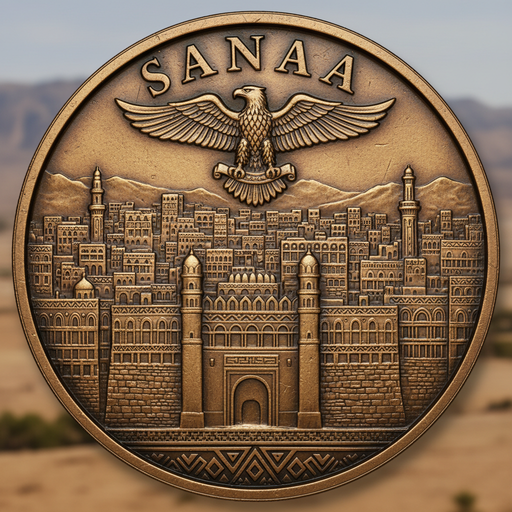




#MiddleEastTensionsEscalate — suitable for social media, blogs, or news-style platforms:
MiddleEastTensionsEscalate: A Region at a Critical Crossroads
The Middle East is once again at the center of global attention as tensions across the region continue to rise, reshaping geopolitical dynamics and increasing uncertainty for markets, governments, and ordinary citizens alike.
The phrase #MiddleEastTensionsEscalate is no longer just a trending hashtag—it reflects a rapidly evolving reality that carries serious political, economic, and humanitarian consequences.
At the heart of the crisis lies a complex web of long-standing rivalries, unresolved conflicts, and shifting alliances. Regional power struggles, territorial disputes, proxy wars, and ideological divisions have created a fragile balance that can break at any moment. When even small incidents occur, they often trigger wider reactions, drawing in multiple actors and escalating into broader confrontations.
One of the most concerning aspects of the current situation is the growing militarization of political disputes. Diplomatic channels are increasingly overshadowed by shows of force, military deployments, and strategic posturing
. This environment makes miscalculations more likely, where a single event can spiral into a larger conflict with regional or even global implications. The risk is not only political instability, but long-term structural damage to peace efforts that have taken decades to build.
Economic impacts are already becoming visible. Energy markets, in particular, remain highly sensitive to Middle Eastern tensions. Oil and gas prices react instantly to geopolitical uncertainty, affecting inflation, supply chains, and economic stability far beyond the region
. For developing economies, these shocks can be devastating, increasing the cost of living and deepening social inequality. Investors, too, face rising volatility as global markets respond to every new development.
Humanitarian concerns are equally alarming. Escalating tensions often translate into civilian suffering—displacement, shortages of essential goods, disrupted education, and limited access to healthcare.
Ordinary people become the silent victims of political power struggles they have no control over. History shows that once instability becomes normalized, rebuilding trust, infrastructure, and social cohesion becomes exponentially harder.
Another critical dimension is the role of global powers. International actors, driven by strategic interests, security concerns, and economic agendas, often become involved—either directly or indirectly. While some claim to promote stability, competing interests can intensify divisions instead of resolving them. This internationalization of regional conflicts increases complexity and reduces the chances of quick, peaceful solutions.
Digital media has also transformed how these tensions unfold. Narratives spread rapidly across social platforms, shaping public opinion in real time. Information warfare, propaganda, and misinformation now play a major role in escalating fear, anger, and polarization. Public perception becomes a battlefield of its own, influencing political decisions and international responses.
Despite the escalating risks, there is still space for diplomacy, dialogue, and de-escalation. History proves that even the most deeply rooted conflicts can move toward resolution when political will exists.
Confidence-building measures, regional cooperation frameworks, and neutral mediation can help reduce tensions. Economic integration, cultural exchange, and people-to-people diplomacy also play powerful roles in long-term peacebuilding.
The current moment represents a crossroads
. The Middle East can move further into cycles of escalation and instability, or it can shift toward structured dialogue and sustainable conflict management. The direction taken will not only define the region’s future but will also shape global security, economic stability, and international relations.
#MiddleEastTensionsEscalate is more than a headline—it is a warning. A warning that the cost of inaction, miscalculation, and aggression is far greater than the cost of diplomacy, compromise, and cooperation. The world is watching, markets are reacting, and millions of lives are affected. What happens next will echo far beyond borders, reminding us that regional conflicts in today’s interconnected world are never truly regional—they are global.