

Trade
Basic
Futures
Futures
Hundreds of contracts settled in USDT or BTC
Options
HOT
Trade European-style vanilla options
Unified Account
Maximize your capital efficiency
Demo Trading
Futures Kickoff
Get prepared for your futures trading
Futures Events
Participate in events to win generous rewards
Demo Trading
Use virtual funds to experience risk-free trading
Earn
Launch
CandyDrop
Collect candies to earn airdrops
Launchpool
Quick staking, earn potential new tokens
HODLer Airdrop
Hold GT and get massive airdrops for free
Launchpad
Be early to the next big token project
Alpha Points
NEW
Trade on-chain assets and enjoy airdrop rewards!
Futures Points
NEW
Earn futures points and claim airdrop rewards
Investment
Simple Earn
Earn interests with idle tokens
Auto-Invest
Auto-invest on a regular basis
Dual Investment
Buy low and sell high to take profits from price fluctuations
Soft Staking
Earn rewards with flexible staking
Crypto Loan
0 Fees
Pledge one crypto to borrow another
Lending Center
One-stop lending hub
VIP Wealth Hub
Customized wealth management empowers your assets growth
Private Wealth Management
Customized asset management to grow your digital assets
Quant Fund
Top asset management team helps you profit without hassle
Staking
Stake cryptos to earn in PoS products
Smart Leverage
NEW
No forced liquidation before maturity, worry-free leveraged gains
GUSD Minting
Use USDT/USDC to mint GUSD for treasury-level yields

More




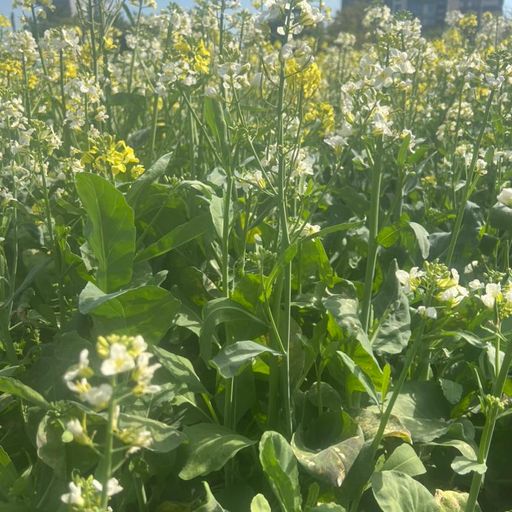

Getting Started with Commodity Trading: A Complete Guide
Commodities form the backbone of global commerce and investment portfolios. Whether you’re drawn to the stability of precious metals like gold or the volatility of energy markets such as crude oil, understanding how to trade commodities is essential for both novice and experienced investors. This guide walks you through everything you need to know about entering the commodity markets effectively.
Understanding the Commodity Market Foundation
Commodities are raw materials and primary products traded on a wholesale basis—think everything from metal ores to agricultural harvests. The distinguishing factor of commodities is their standardized quality, allowing them to be bought and sold globally without requiring individual inspection.
Commodity trading typically occurs through two primary mechanisms: futures contracts (where parties agree to exchange goods at predetermined prices on future dates) and direct market purchases. Most modern traders engage with commodities indirectly through derivative instruments rather than taking physical delivery.
The Two Categories of Commodities
Market participants classify commodities into two distinct groups:
Hard Commodities represent natural resources requiring extraction or mining. This category encompasses:
Soft Commodities consist of agricultural and livestock products:
Understanding these distinctions helps traders identify which markets align with their trading style and risk tolerance.
Trading Methods Compared
Different approaches to commodity trading offer varying risk-reward profiles:
Major Trading Venues and Their Specialties
Global commodity exchanges facilitate most trading activity:
Each exchange maintains distinct contract specifications, liquidity profiles, and trading hours—factors crucial for strategy selection.
Your Step-by-Step Trading Roadmap
Beginning Your Trading Journey
Step 1: Select Your Platform Research and open an account on a regulated trading platform that offers commodity instruments. Verify regulatory compliance, compare fee structures, examine available assets, and evaluate customer support quality. Most platforms now provide mobile and desktop interfaces.
Step 2: Complete Account Verification Provide required documentation including identity verification and proof of address. This regulatory requirement typically takes hours to a few days.
Step 3: Fund Your Account Deposit capital using available methods—wire transfers, credit cards, or digital wallets. Start with an amount matching your risk tolerance and trading objectives.
Executing Your First Trade
Step 4: Research and Analyze Use your platform’s charting tools to examine price history, identify trends, and analyze technical patterns. Consider fundamental factors: for energy commodities, check inventory reports; for agricultural goods, monitor weather and harvest forecasts.
Step 5: Choose Your Position Decide on direction: “long” positions profit from price increases, while “short” positions benefit from declining prices. Select your instrument (futures, CFDs, or options based on your strategy).
Step 6: Set Trade Parameters Determine position size, apply appropriate leverage, and establish risk controls including stop-loss orders (exit points when losses reach predetermined levels) and take-profit targets (exit points when gains achieve objectives).
Step 7: Execute and Monitor Confirm and place your trade. Real-time monitoring using platform charts allows you to track market movement and adjust parameters as conditions evolve.
Step 8: Manage Your Exit Close positions when targets are achieved or conditions deteriorate. Calculate final profits or losses based on entry and exit prices.
Step 9: Secure Your Gains Withdraw profits to your bank account once trading objectives are met.
What Moves Commodity Prices?
Several factors create price fluctuations in commodity markets:
Critical Risk Considerations
Commodity trading carries substantial risks requiring serious preparation:
Price Volatility: Commodities experience rapid price swings driven by the factors mentioned above. Traders can lose their entire investment quickly.
Leverage Risk: Using borrowed capital amplifies gains but equally magnifies losses, potentially exceeding initial deposits.
Liquidity Challenges: Some commodity contracts may have limited buyers or sellers, making exits difficult during market stress.
Structural Risks: Margin calls demand additional capital quickly; futures contracts expire; leverage can force position closure at unfavorable prices.
Market Participation Diversity: Producers (hedging price risk), consumers (securing supplies), speculators (profit-seeking), and institutions (diversification) all participate, creating complex price dynamics.
Who Participates in Commodity Markets?
Understanding market participants provides insight into pricing behavior:
This diverse participant base creates both liquidity and potential volatility opportunities.
Key Takeaways
Commodity trading offers accessible pathways to diverse markets through various instruments. Success requires understanding market mechanics, selecting appropriate trading methods, implementing robust risk management, and continuous education. Start small, practice with demo accounts when available, and scale gradually as you develop experience and confidence in your trading approach.