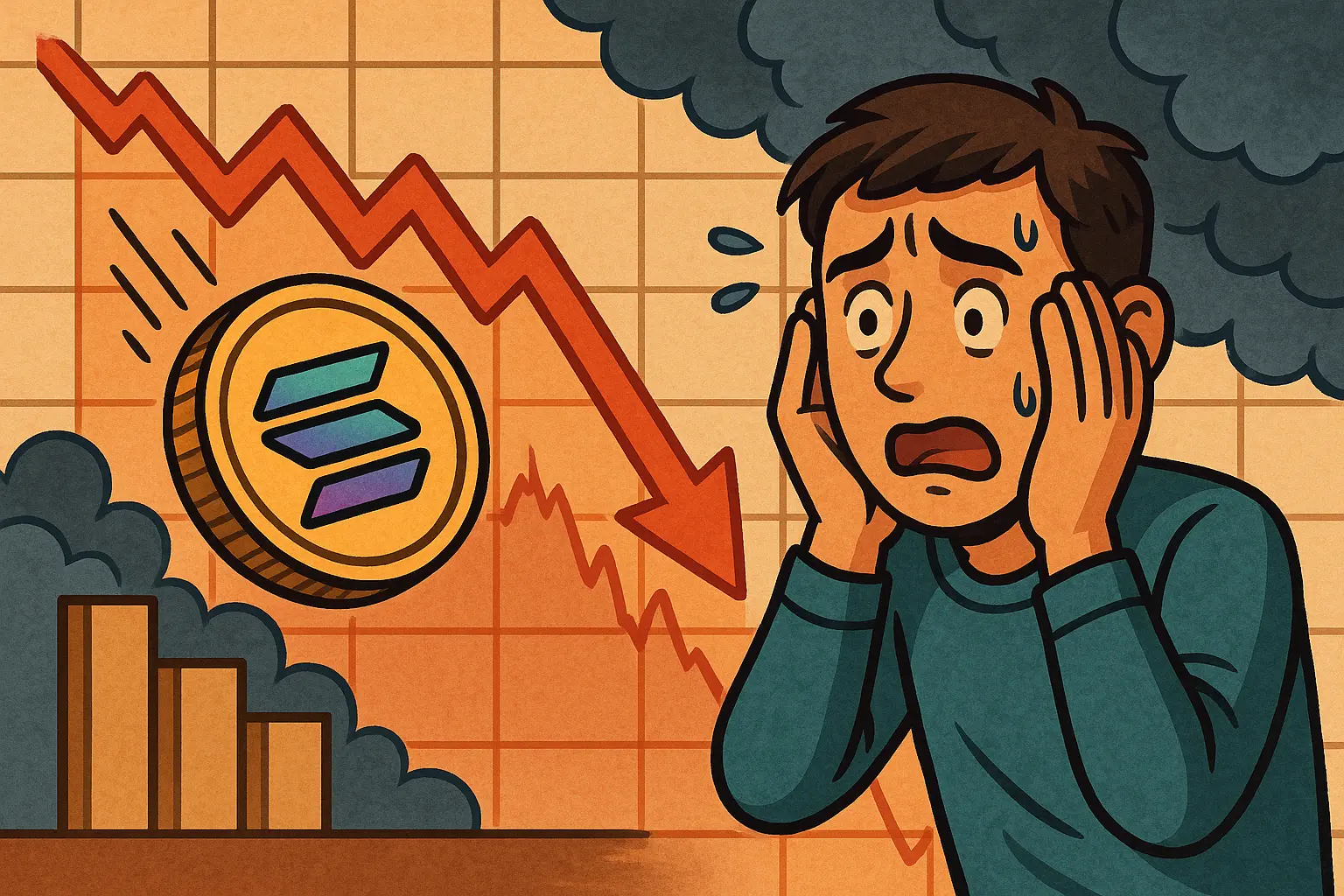
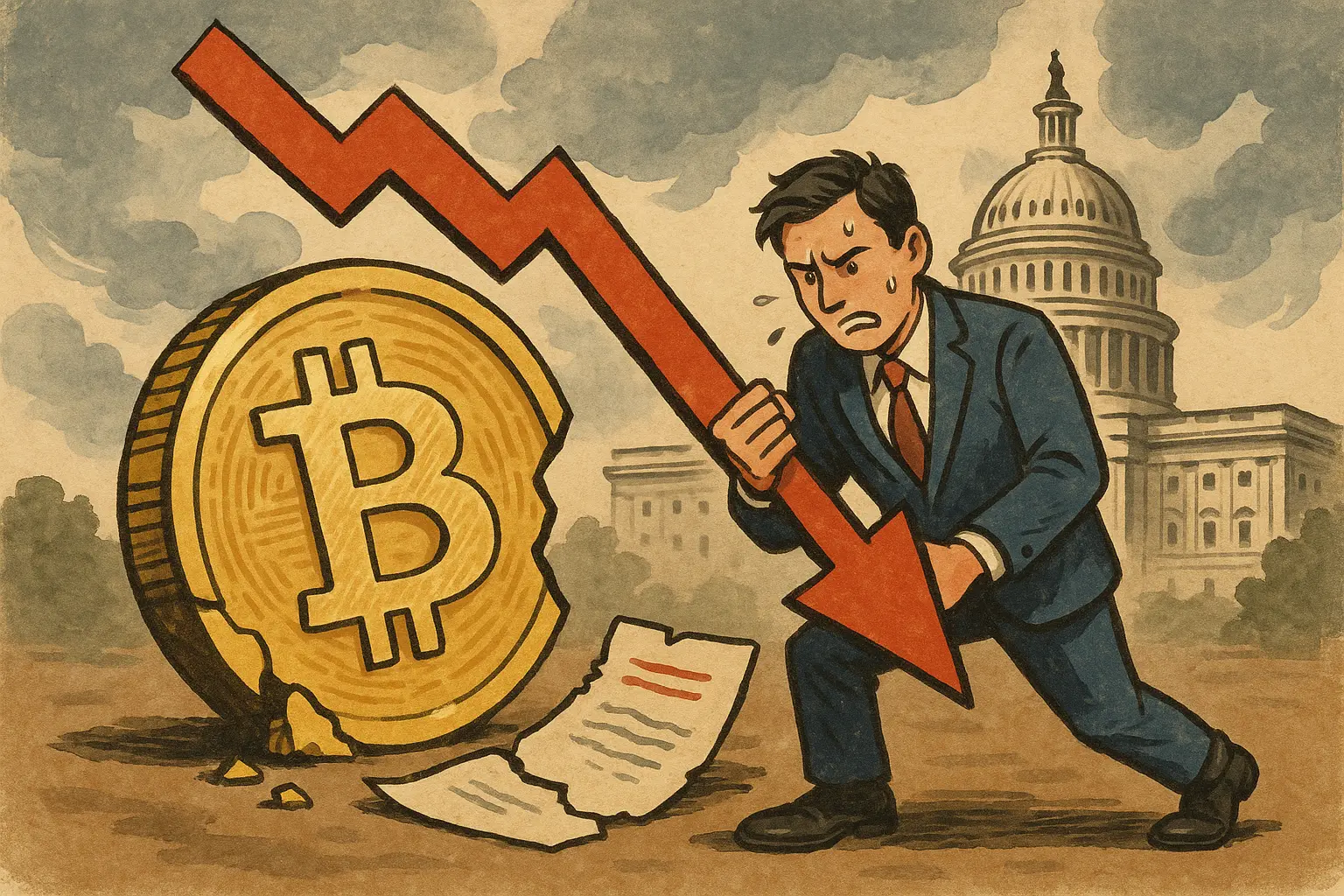
Bitcoin has recently been affected by supply shocks and geopolitical pressures, with prices declining from their highs to around $69,500. Large volumes of Bitcoin flowing into exchanges have triggered market panic. Major sellers include dormant wallets resuming activity and early investors taking profits. Technically, Bitcoin has broken below the $72,000 support level, with $64,000 becoming a key support level. A breach of this level could lead to further downside risks.
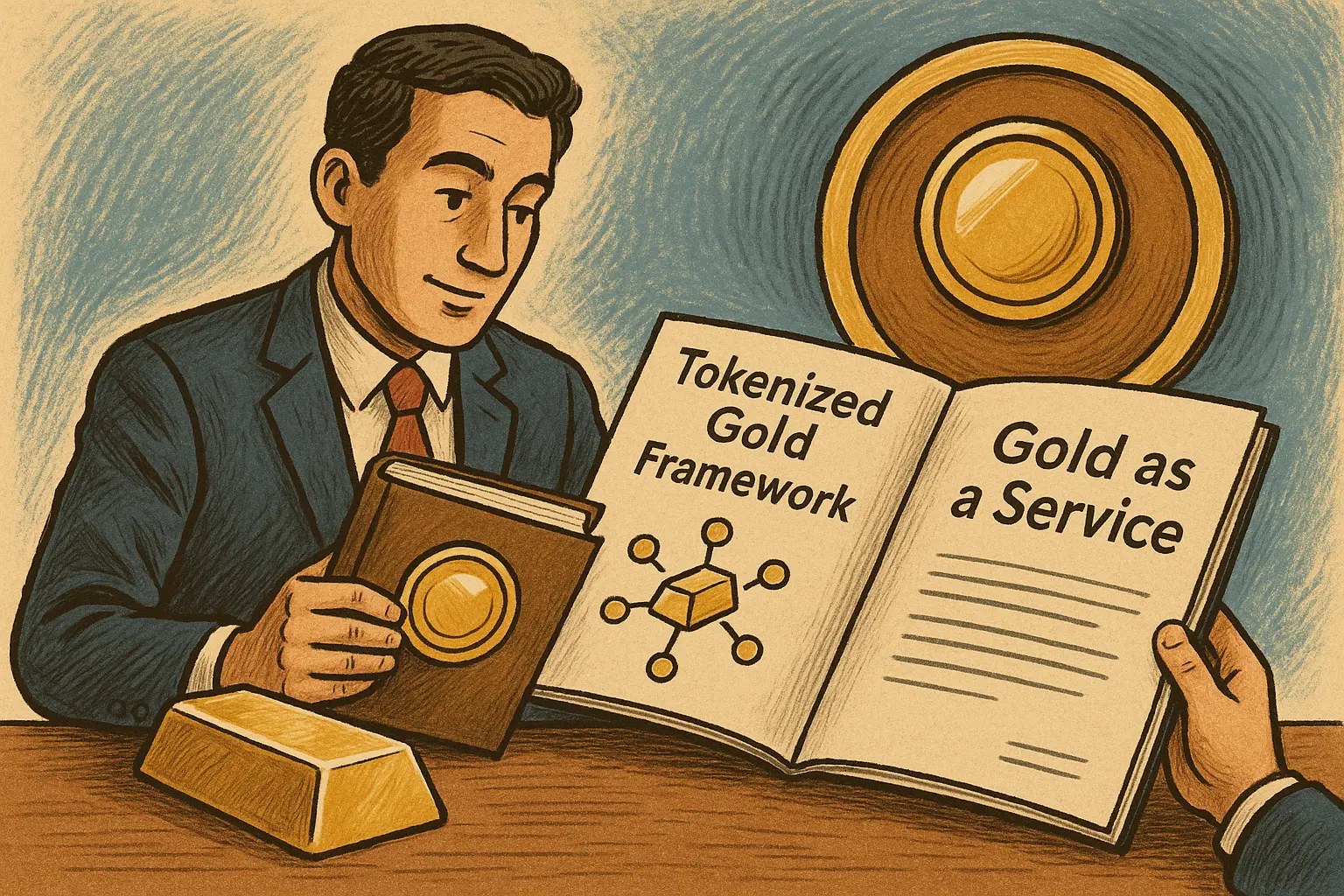
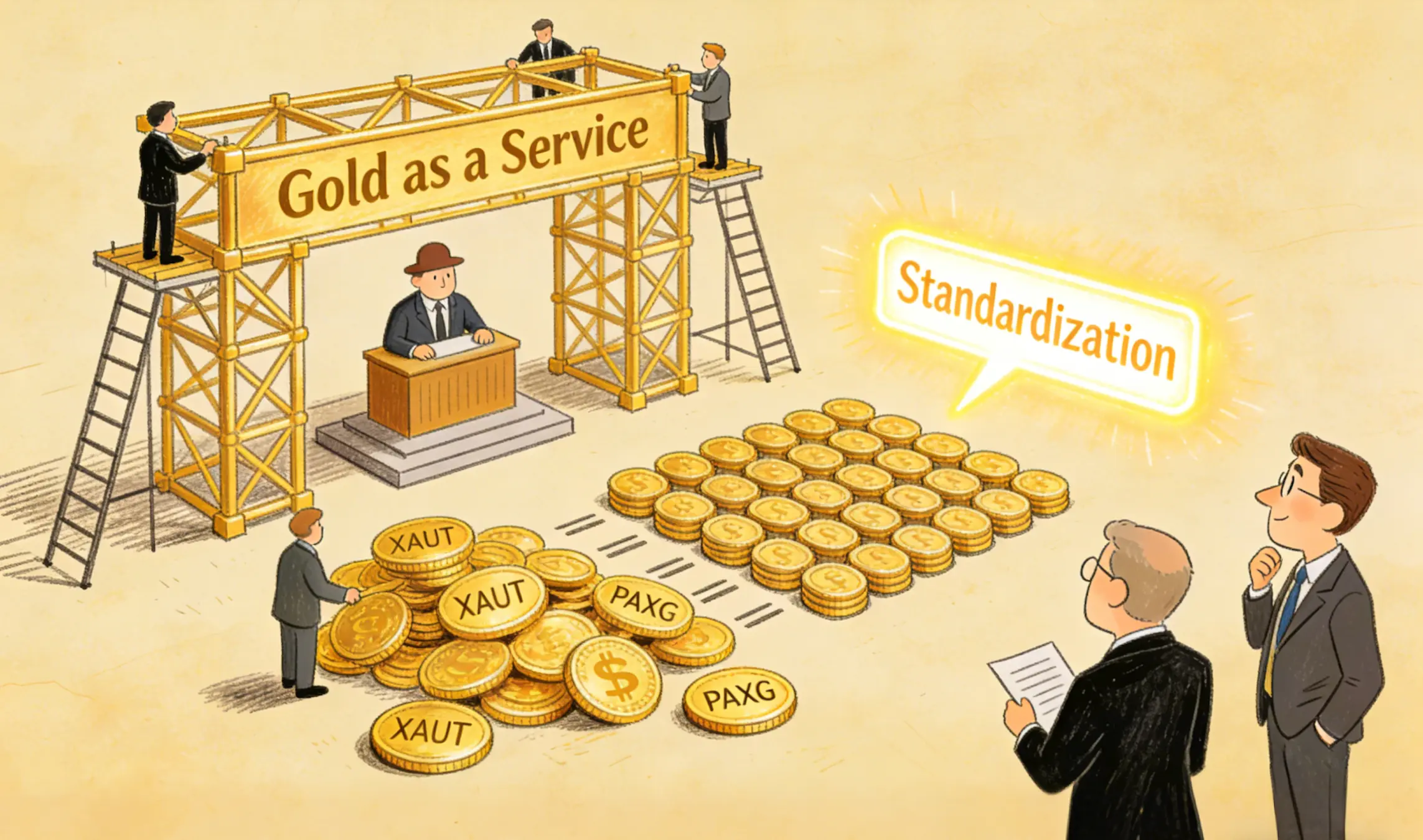
The World Gold Council and Boston Consulting Group jointly launched the "Gold as a Service" white paper, aiming to establish a unified open platform framework that connects physical gold with tokenized products to enhance the usability and transaction convenience of gold in the financial system. This framework features six key functions including standardized issuance, high transparency, and improved liquidity, and is expected to accelerate institutional investor participation in the tokenized gold market.
The text is already in Simplified Chinese. Here it is unchanged:
韓國總統李在明質疑現行T+2交割制度效率,推動縮短結算周期及引入區塊鏈技術。區塊鏈可實現即時結算,消除對手風險,提升市場流動性。若韓國成功改革,或在亞洲市場獲得制度性優勢。
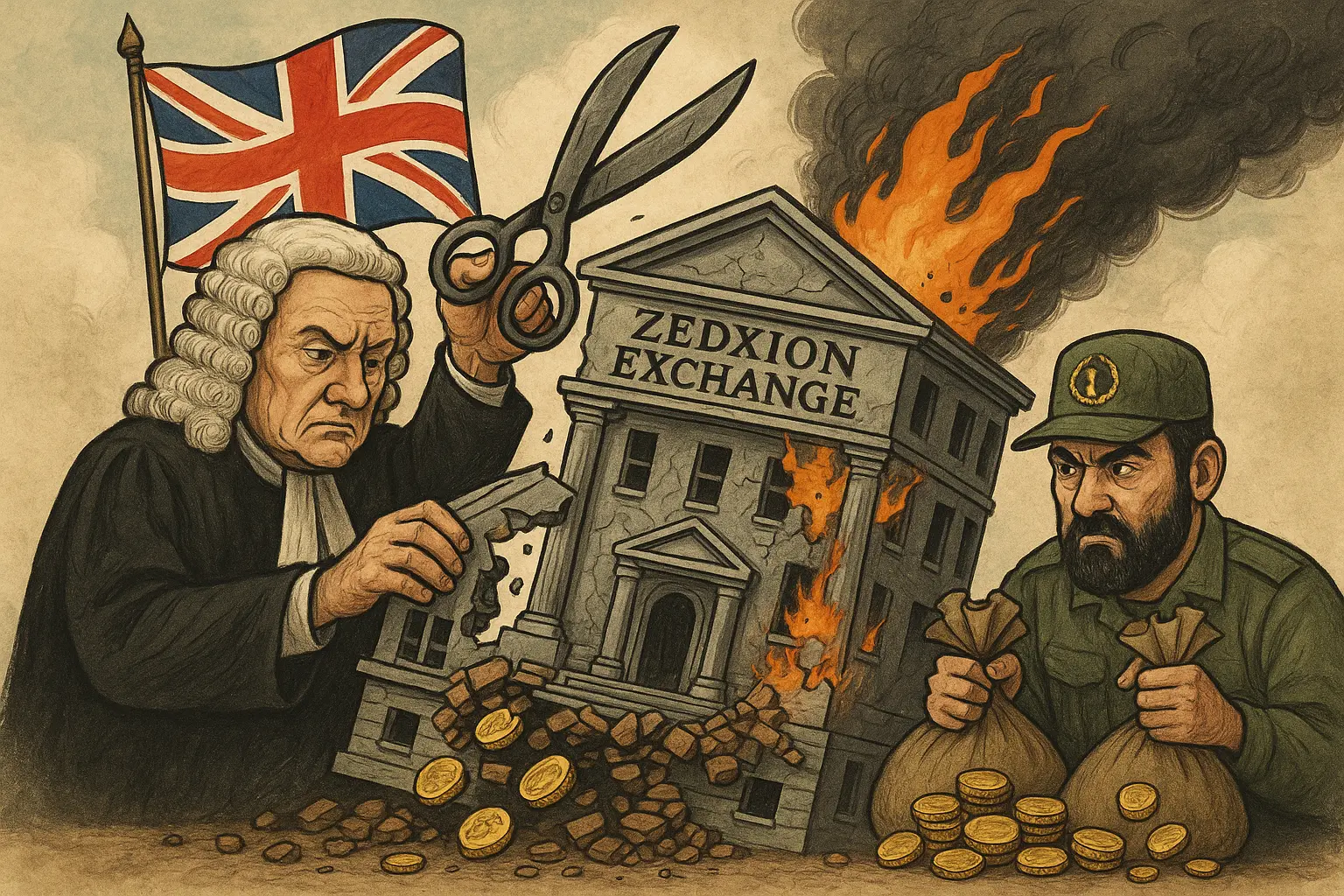
UK has initiated dissolution proceedings against Zedxion Exchange due to providing false information in its corporate registration. The investigation revealed that the company was closely associated with Iran's Islamic Revolutionary Guard Corps and operated using fictitious identities. This dissolution represents the latest case of UK regulatory enforcement under new legislation, reflecting the country's efforts in combating sanctions evasion.
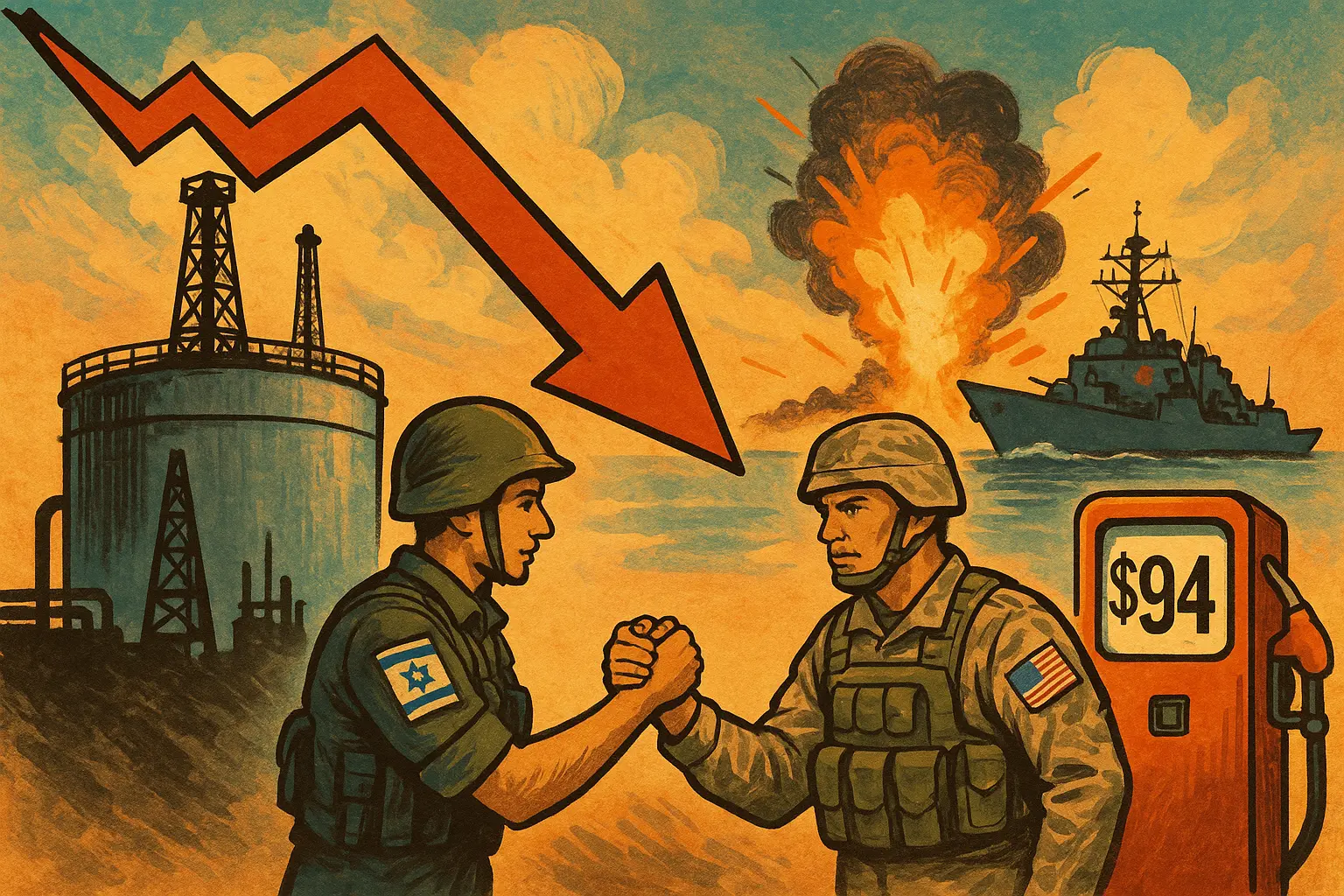
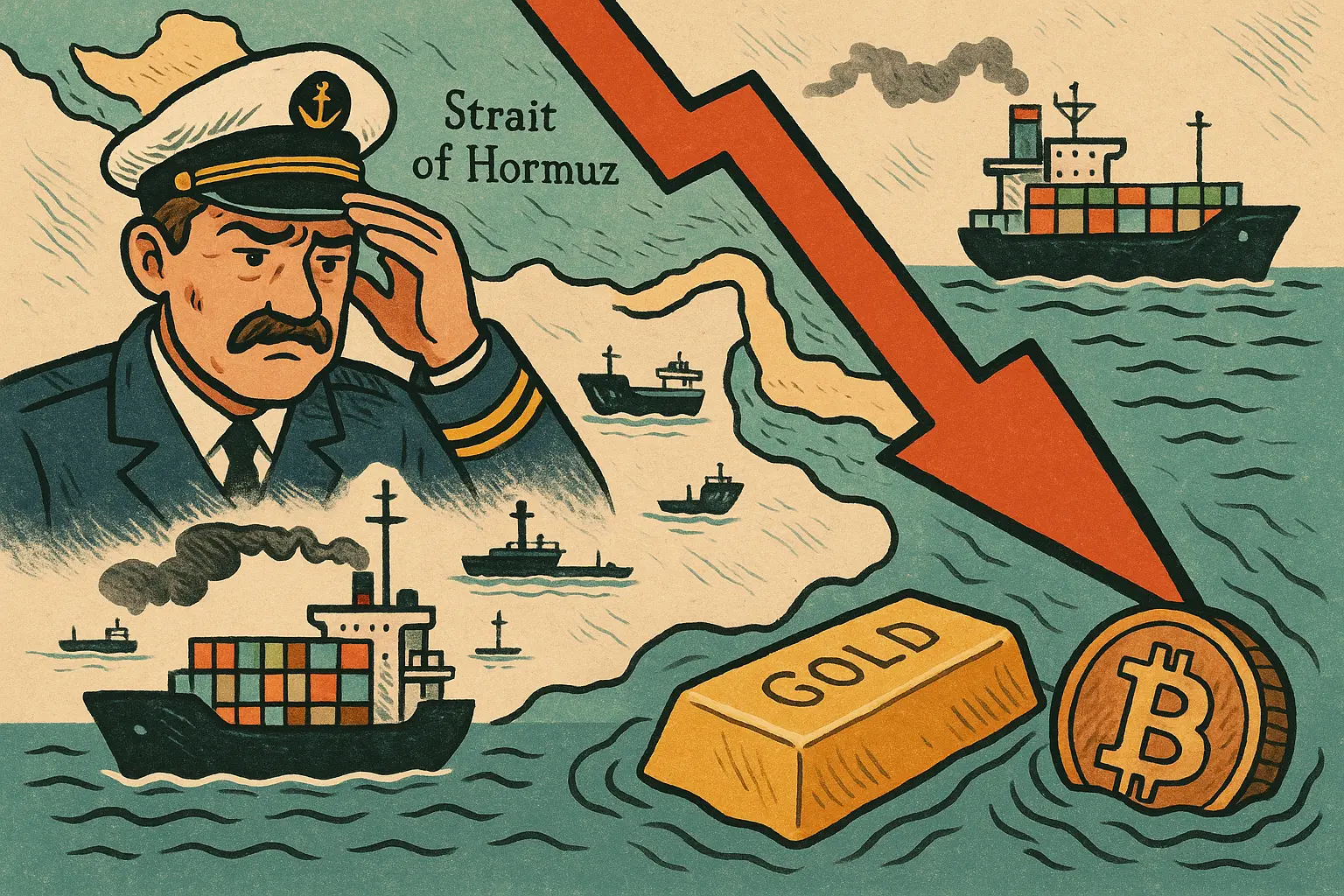
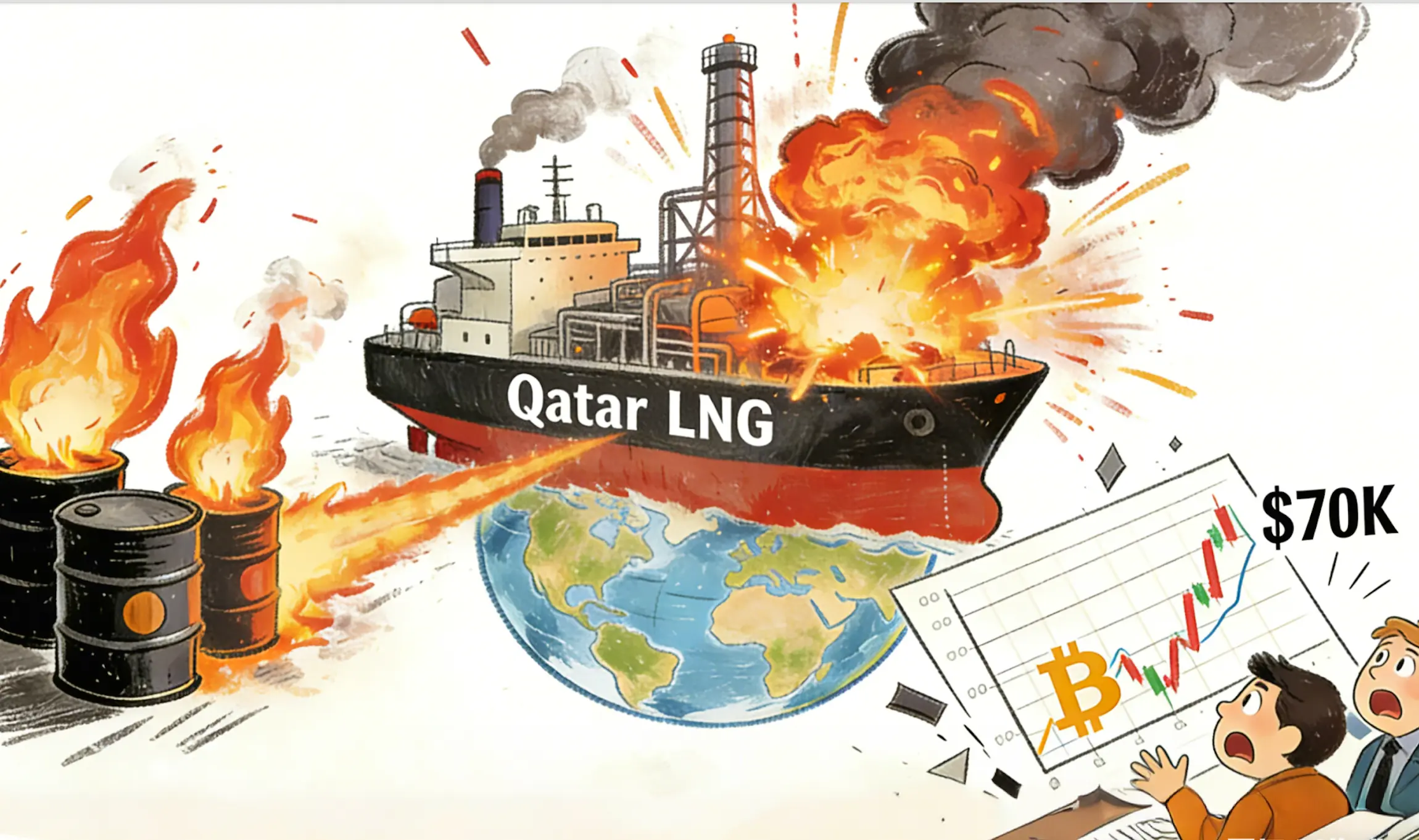
Hormuz Strait shipping traffic plummeted 95% due to US-Israel military operations, triggering severe global energy market volatility. Gold fell for seven consecutive days, silver declined over 13%, while Bitcoin remained relatively resilient, demonstrating different asset responses during crises. International responses to shipping lane security remain unclear, with energy supply crisis signaling prolonged price increases.