By accepting crypto for taxes and other local municipal payments, Detroit would become the largest city in the United States to accept crypto for payments.
The program is scheduled to start in the middle of 2025, according to Detroit’s local officials. The initiative would be expected to run on a secure platform managed by PayPal.
Related Reading: End Of The ‘Pain’ — Bitcoin Primed For 40% Gain, Analytics Firm CEO SaysDetroit wants to embrace cryptocurrencies with its aspirations to pioneer blockchain applications in municipal contexts. The mayor of Detroit, Mike Duggan, claims the program is future-oriented, saying:
“Detroit is building a technology-friendly environment that empowers both its residents and entrepreneurs.”
Inclusion Through Modernized Payment Options
The new is planned in a manner that would benefit users as well as traditionally underserved groups. According to City Treasurer Nikhil Patel, the new method will offer more digital payment options to the residents, thereby promoting easy access to finances of every kind, especially for the unbanked.
Patel said:
“The Treasurer’s Office is committed to modernizing our payment channels to enhance the customer experience and improve internal efficiency.”
In this regard, this aims to make it easier and more convenient for all of its residents in Detroit to pay for property taxes, municipal fees, and a permit.
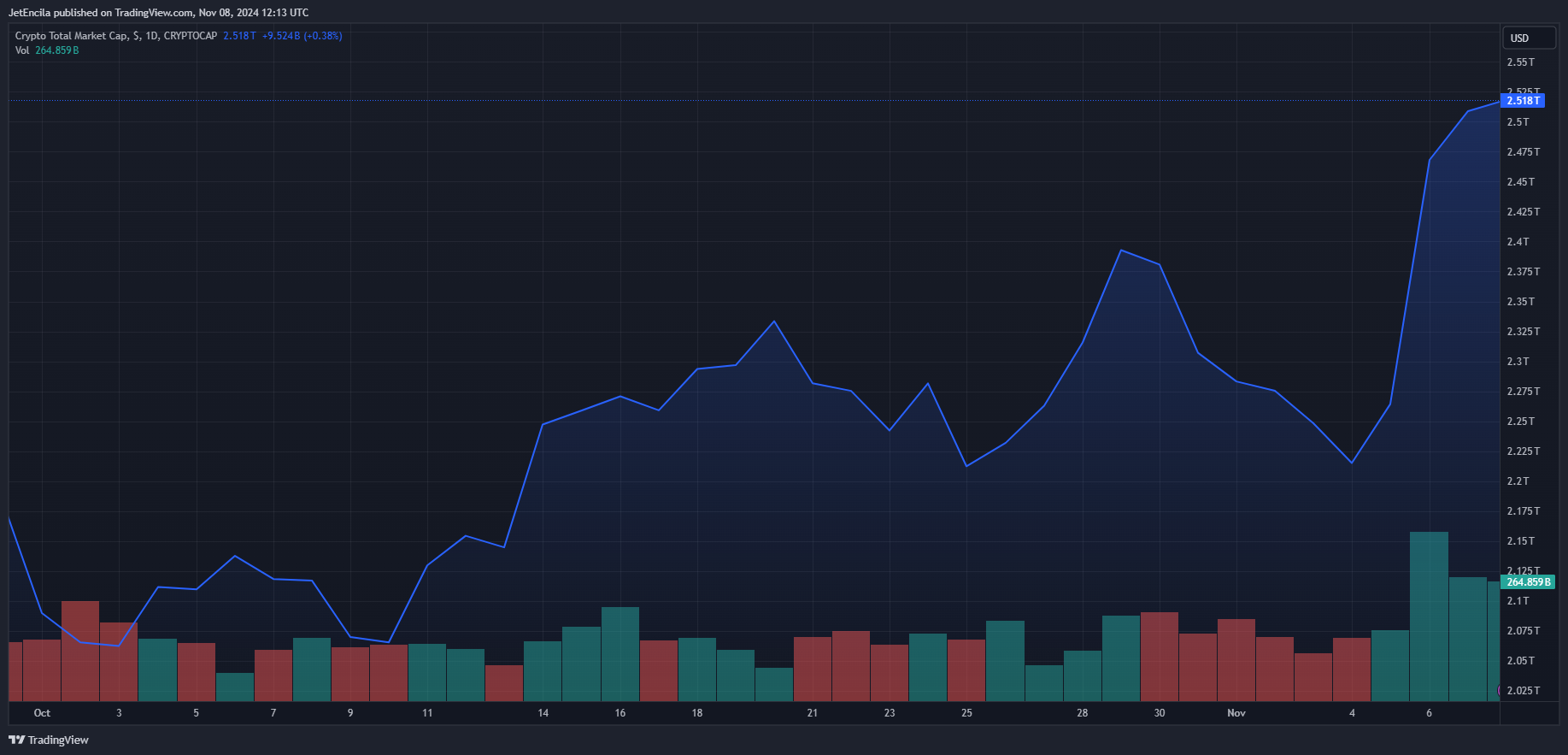 Total crypto market cap currently at $2.5 trillion. Chart: TradingView## A Call For Blockchain Innovators
Detroit is inviting blockchain entrepreneurs to get involved led by Justin Onwenu, the city’s first Director of Entrepreneurship and Economic Opportunity. This new initiative is calling for proposals on civic blockchain solutions, with a submission deadline of December 15, 2024.
Proposed by an entrepreneur, the proposal must be holistic and consist of every aspect regarding the probabilities of risks, cost assessments, and involved stakeholders. Aim of the project: Identify the brightest and best innovative minds and ensure that Detroit serves as a precursor to blockchain-powered civic advancement.
![]()
Skyscrapers in the city of Detroit. Image: Fodors Travel Guide
The Nationwide Acceptance Of Crypto Trend
The acceptance of cryptocurrencies as payment in Detroit is part of a larger trend in the United States. At present, Colorado heads the list by becoming one of the states that allow payments since last September 2022.
Next on the list are Utah, Louisiana, and Colorado, all of whom now allow the acceptance of digital currency for state payments. Smaller cities like Williston, North Dakota, and Miami Lakes, Florida have also begun using BitPay and PayPal’s crypto feature for their municipal payments.
Related Reading: FTX Co-Founder Gary Wang Begs Judge For Freedom: Will He Escape Jail Time?### Leading The Way For Larger Cities
Few large cities have yet to set up working crypto payment s, despite the fact that many express interest in cryptocurrencies. Miami launched MiamiCoin but doesn’t accept crypto as legal tender, and New York City, though supportive, hasn’t incorporated crypto payments.
Detroit’s program could set a strong drive for other cities to adopt, offering secure PayPal transactions that convert to US dollars, expanding payment options while ensuring stability.
Featured image from Pexels, chart from TradingView
Disclaimer: The information on this page may come from third parties and does not represent the views or opinions of Gate. The content displayed on this page is for reference only and does not constitute any financial, investment, or legal advice. Gate does not guarantee the accuracy or completeness of the information and shall not be liable for any losses arising from the use of this information. Virtual asset investments carry high risks and are subject to significant price volatility. You may lose all of your invested principal. Please fully understand the relevant risks and make prudent decisions based on your own financial situation and risk tolerance. For details, please refer to
Disclaimer.


