After Iran’s largest oil field was attacked, retaliatory strikes targeted Qatar’s energy hub, causing Brent crude oil to surpass $110 per barrel. Global stock markets also plummeted, and the crypto market came under pressure again amid rising geopolitical risks.
(Previous summary: Fed FOMC hawkish shift caused Bitcoin to crash to $70,500, with 135,000 traders liquidated, totaling $452 million)
(Additional background: The Federal Reserve held rates steady at 3.5-3.75% for two consecutive meetings! Dot plot revised upward for 2026 inflation and GDP, with year-end rate estimated at 3.4%)
Table of Contents
Toggle
- Three Gulf countries hit on the same day: Saudi intercepts missiles, UAE affected by debris
- Oil price exceeds $110, diesel hits four-year high
- Geopolitical risk reactivates pressure on risk assets
According to reports from Iran’s state television and related media, Iran’s massive South Pars natural gas field and related infrastructure were struck and set on fire on the 18th.
Tehran issued a stern warning: Persian Gulf oil and gas fields are now “legitimate targets,” urging residents of neighboring countries to stay away immediately.
Shortly after, Iran launched an attack on Qatar’s Ras Laffan Industrial City energy hub. Qatari energy officials confirmed the facility was hit, with storage tanks and refineries damaged. Personnel were evacuated urgently, and the fire was later brought under control.
Note: This industrial city is the core of Qatar’s LNG exports and is directly connected to the South Pars gas field.
Three Gulf countries hit on the same day: Saudi intercepts missiles, UAE affected by debris
Iran’s attack was not limited to Qatar. Saudi Arabia intercepted four ballistic missiles aimed at Riyadh and successfully disrupted a drone fleet targeting eastern gas facilities. The UAE’s Habbashan gas facility and Babu oil field were damaged by falling missile debris, but no casualties occurred.
Qatar’s foreign ministry announced that Iranian military and security personnel must leave within 24 hours and designated them as unwelcome persons.
The South Pars gas field is the world’s largest shared natural gas reservoir between Iran and Qatar. The attack precisely targeted Qatar’s side of this shared resource, with a clear strategic intent: revenge and direct pressure on the global energy supply chain.
Oil price exceeds $110, four-year high for diesel
The energy market reacted immediately. Brent crude rose about 12% in the past 24 hours, breaking $110 per barrel; US retail diesel prices also surpassed $5 per gallon for the first time since the 2022 inflation crisis. Global stock markets also declined sharply.
Iranian media attributed the attack to approval from Israel and the US, but neither side confirmed responsibility immediately. Qatar, hosting the US’s largest Middle East airbase (Al Udeid Air Base), faces an awkward stance—condemning Israel’s actions while calling the attack dangerous and irresponsible, warning it threatens global energy security.
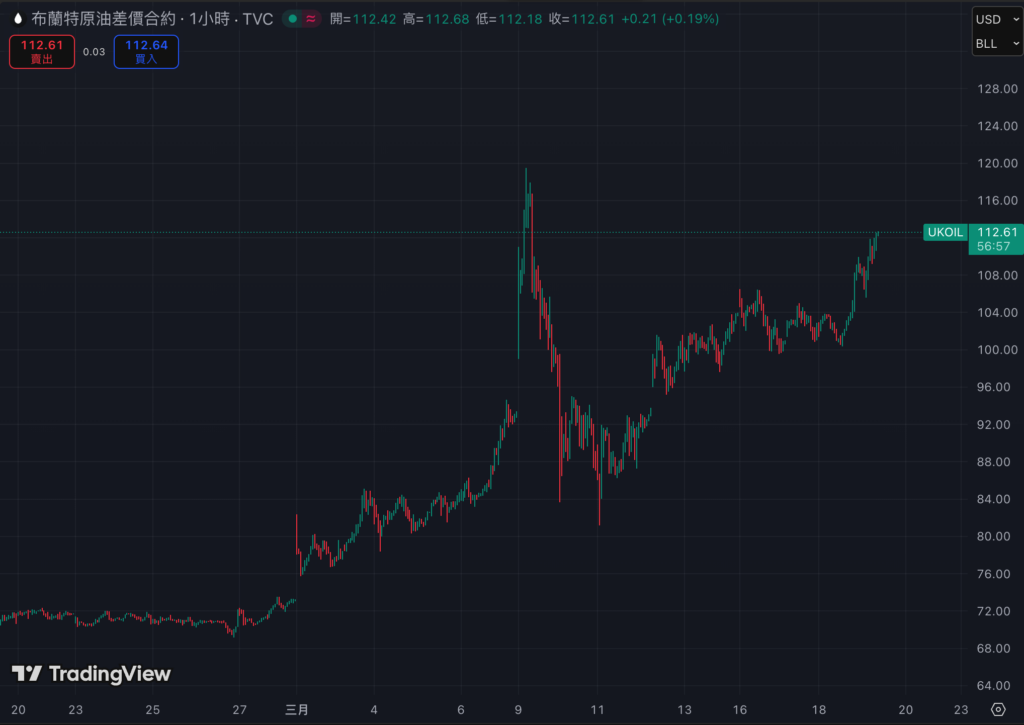
Geopolitical risk reactivates pressure on risk assets
The continued rise in oil prices, combined with the Federal Reserve maintaining interest rates at 3.5%-3.75% in March, with the dot plot projecting only one rate cut remaining this year, has put risk markets under pressure. All four major US stock indices closed lower, and Bitcoin briefly dropped to $70,500.
Whether this attack triggers a larger Persian Gulf energy crisis and whether Iran will follow through on its threat to block the Strait of Hormuz are key variables that will determine if oil prices can fall back and influence the next market trend.

Disclaimer: The information on this page may come from third parties and does not represent the views or opinions of Gate. The content displayed on this page is for reference only and does not constitute any financial, investment, or legal advice. Gate does not guarantee the accuracy or completeness of the information and shall not be liable for any losses arising from the use of this information. Virtual asset investments carry high risks and are subject to significant price volatility. You may lose all of your invested principal. Please fully understand the relevant risks and make prudent decisions based on your own financial situation and risk tolerance. For details, please refer to
Disclaimer.


