
According to data shared by James Wang, Product Marketing Director at Cerebras Systems, over the past 24 hours, the trading volume of oil-linked perpetual futures on the DeFi derivatives platform Hyperliquid has reached approximately $991 million. The data reflects how the cryptocurrency market has become a key channel for trading macro commodities like oil during the turmoil sparked by the Iran conflict, especially when traditional markets are not open.
Oil Futures Trading Surge: Quantitative Comparison Between Hyperliquid and Coinbase
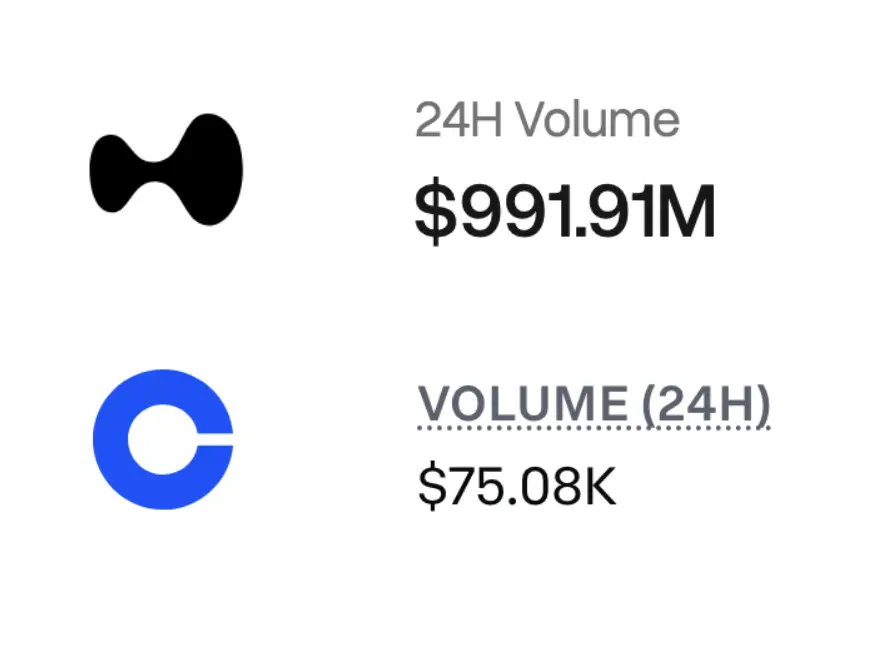
(Source: James Wang X)
The surge in oil futures trading volume directly reveals a trend of synthetic commodity liquidity concentrating in crypto-native derivative trading venues. Data from Hyperliquid’s order book shows a large number of sell orders and relatively tight bid-ask spreads, indicating active participation from professional liquidity providers and retail traders, with market depth more mature than before.
Hyperliquid allows traders to leverage trade through perpetual futures contracts collateralized with USDC stablecoins, without needing to open traditional brokerage accounts or access regulated commodity futures markets like CME Group. Its HyperCore system is fully on-chain, supporting approximately 200,000 orders per second.
Timeline of Oil Price Impact from the Iran Conflict
The sharp volatility in oil prices triggered by tensions in Iran is the direct background for this surge in oil trading:
Monday Shock: Market fears of conflict disrupting oil transportation through the Strait of Hormuz, with Brent crude soaring to about $119.50 per barrel.
Easing and Retreat: Trump hinted that the Iran war could de-escalate soon, causing oil prices to fall back to around $91 to $100 per barrel.
Wednesday Night: Brent crude traded around $90 to $92 per barrel during New York sessions, with markets assessing the prospects of emergency oil reserve releases.
Traditional markets were closed or in weekend mode during some of these Iran conflict events, highlighting the structural advantage of 24/7 crypto derivatives markets — providing an early global risk pricing channel before traditional markets open.
HYPE Token Buyback Mechanism and Chain Reaction in Macro Trading
For Hyperliquid’s native token HYPE, the surge in oil futures volume has a direct financial chain effect. The protocol allocates part of trading fees to buy back HYPE tokens, creating a direct link between the spike in derivatives trading volume and potential demand for the token.
Earlier this month, amid tense Iran tensions, HYPE broke above $32, and on Wednesday, it further increased by 6% to $36.33 (according to CoinGecko data). Since its mainnet launch in 2023, Hyperliquid’s growth has doubled its total market cap to over $8.8 billion within a year.
Analysts note that geopolitical shocks may continue to intermittently drive trading spikes on all-weather crypto trading platforms like Hyperliquid, as traders seek to pre-price global events before traditional markets open; if this trend persists, platforms like Hyperliquid could become early channels for global risk pricing.
Frequently Asked Questions
Why does Hyperliquid’s oil futures trading volume far exceed Coinbase’s?
Hyperliquid is specifically designed for high-frequency derivative trading, utilizing fully on-chain order books and USDC-collateralized perpetual futures, operating 24/7 without the need for traditional brokerage accounts. Coinbase’s similar contracts mainly serve retail demand, with different liquidity foundations. During geopolitical events like the Iran conflict, traditional markets sometimes close, causing a significant gap in trading volume.
How does the Iran conflict impact oil trading in the crypto market?
The Iran conflict raises concerns over potential disruptions to oil transportation through the Strait of Hormuz, leading to volatile oil prices. Since crypto derivatives markets operate around the clock and are open before traditional markets, they serve as early indicators of market sentiment, attracting traders to establish oil exposure positions via Hyperliquid in advance.
Why does the HYPE token benefit from the surge in Hyperliquid’s oil futures volume?
Hyperliquid’s protocol allocates part of trading fees to buy back HYPE tokens, creating a direct relationship: higher trading volume → greater demand for buybacks. The surge in oil futures trading volume thus directly translates into potential demand for HYPE tokens, which is a key reason for HYPE’s concurrent rise during Iran tensions.
Disclaimer: The information on this page may come from third parties and does not represent the views or opinions of Gate. The content displayed on this page is for reference only and does not constitute any financial, investment, or legal advice. Gate does not guarantee the accuracy or completeness of the information and shall not be liable for any losses arising from the use of this information. Virtual asset investments carry high risks and are subject to significant price volatility. You may lose all of your invested principal. Please fully understand the relevant risks and make prudent decisions based on your own financial situation and risk tolerance. For details, please refer to
Disclaimer.


