What Is Lobster?
As a meme asset, Lobster is essentially an on-chain token issued under the BEP-20 standard. However, its core value does not come from functional design, but from the community’s identification with its narrative.
Mechanically, this type of asset uses smart contracts to record ownership and allows transfers and trading on BNB Chain. Unlike utility tokens, its design is usually simple and does not involve complex execution logic.
Structurally, Lobster belongs to the application layer. Its existence depends on the underlying network and trading system, but its value is formed mainly through off-chain content and community behavior. This makes it closer to a vehicle for cultural expression than to technical infrastructure.
The significance of this kind of asset lies in how it reflects the integration of blockchain and internet culture, turning abstract narratives into tradable digital objects.
Where the “Raising Lobsters” Narrative Came From: The Influence of OpenClaw and AI Content
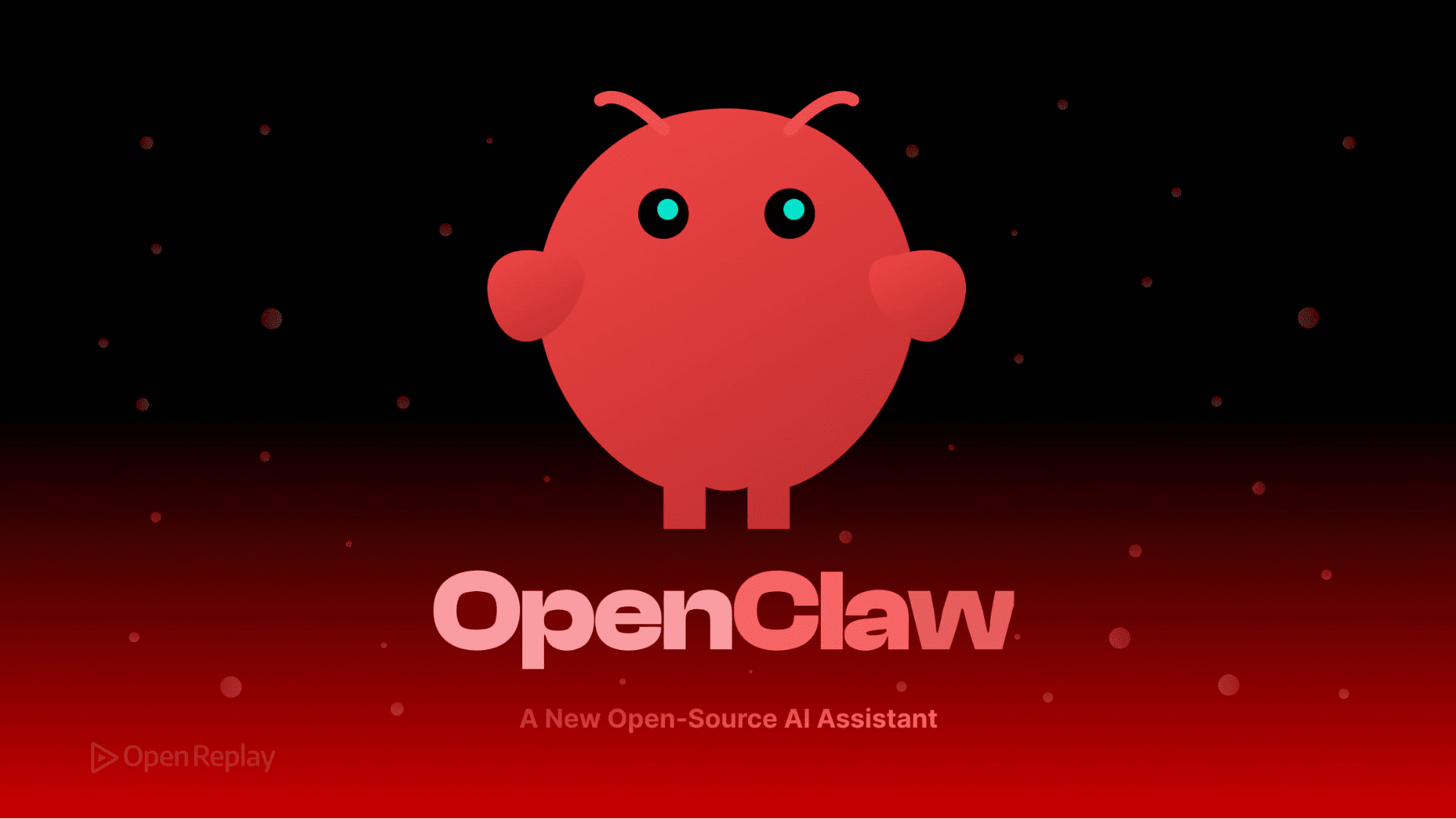
The “raising lobsters” narrative emerged from the trend of AI-generated content, becoming an ongoing topic through automated content creation and social media distribution. Content ecosystems such as OpenClaw helped accelerate its spread, allowing it to evolve from a single concept into a broader form of collective behavior.
Mechanically, AI tools can continuously generate related content, reducing the cost of distribution while increasing information density. This high frequency output gives the narrative sustained visibility.
From a structural perspective, the narrative does not depend on a single actor, but is built jointly by many participants. This decentralized model of content production makes memes easier to spread within communities.
The importance of this influence is that AI is not just a tool here, it also becomes the core force behind narrative creation, allowing meme projects to gain attention in a much shorter period of time.
The shift from topic to asset usually goes through three stages, content distribution, consensus formation, and tokenization. Once "raising lobsters" became a stable discussion topic, the community began trying to map it into an on-chain asset as a way to express value.
Mechanically, this process is achieved by deploying a token contract, turning what was originally an abstract concept into a digital unit that can be held and traded.
Structurally, the on-chain asset does not change the narrative itself. Instead, it gives that narrative a new carrier, allowing it to enter the trading market. This kind of mapping is one of the core features of meme projects.
The significance of this transformation is that it gives internet culture asset-like properties, changing both the way it spreads and how people participate in it.
Lobster’s Place in the BNB Chain Meme Ecosystem
Within the BNB Chain ecosystem, meme projects typically grow by relying on a low cost trading environment and a highly active user base. Lobster, as one such asset, belongs to the category of community-driven projects.
Mechanically, BSC offers fast transactions and relatively low fees, which allow meme assets to circulate frequently and increase participation.
Structurally, Lobster and other meme projects together form part of the application layer ecosystem, with their role centered on connecting users through trading and dissemination.
The significance of this position is that it defines the project’s development path, one that depends more on community activity than on technical upgrades.
How Community Distribution Drives Lobster’s Attention and Spread
Community distribution is a key factor behind Lobster’s influence. Through social media, discussion, and user interaction, the narrative is continuously repeated and reinforced.
Mechanically, distribution depends on network effects, the more participants there are, the faster information spreads. This allows meme projects to attract attention in a short period of time.
Structurally, the distribution process is not one way, but is built through interaction among users. This makes the community an important part of how value is formed.
This model shows that the core of a meme project lies in the efficiency of its spread, not in technical complexity.
How Lobster Is Used: The Basic Path from Holding to Trading
Lobster is mainly used in two ways, holding and trading. Users can hold the asset in a wallet and swap it on decentralized trading platforms.
Mechanically, trading is usually carried out through liquidity pools, and the asset’s price is determined by market supply and demand. User trading activity directly affects asset liquidity.
Structurally, this usage model is relatively simple and does not involve complex interaction. That makes it more suitable as a trading-oriented asset.
The significance of this path is that it allows users to participate directly in asset circulation, creating continuous market activity.
How Lobster Differs from Other Meme Projects
Lobster differs from other meme projects mainly in the source of its narrative and the way it spreads. The table below summarizes the key differences:
| Dimension |
Lobster |
Common Meme Projects |
| Narrative source |
AI content driven |
Community culture driven |
| Distribution method |
AI + community |
Mainly community |
| Asset creation path |
Narrative mapping |
Project launch |
| Participation method |
Content + trading |
Mainly trading |
| Speed of spread |
Faster |
Depends on community growth |
This comparison shows that Lobster relies more heavily on AI content as the starting point for distribution, while traditional meme projects depend more on organic community spread. This difference affects both its development pace and the way users participate.
How to Understand Lobster’s Characteristics and Common Misconceptions
Lobster’s defining features are its strong narrative-driven nature, clear distribution path, and relatively low barrier to entry. These factors allow it to attract user participation quickly.
At the same time, its limitations are also clear, such as a lack of functional support and a narrow range of application scenarios.
Common misconceptions include treating it as a technical project or assuming that its value comes from underlying mechanisms. In reality, its core still lies in narrative and consensus.
Understanding these characteristics helps clarify the true nature of meme assets and distinguish them from other types of projects.
Summary
Lobster represents a meme asset driven by AI-generated content. Its path from narrative creation to on-chain assetization reflects a new way for digital culture and blockchain to come together.
FAQ
Is Lobster a utility token?
No, it mainly depends on narrative and community distribution.
What role does AI play in the Lobster project?
It is mainly used to generate content and drive distribution.
How did Lobster become an on-chain asset?
By deploying a token contract and mapping the narrative into a tradable asset.
What is the source of Lobster’s value?
It comes from community consensus and distribution behavior.
Are all meme projects similar to Lobster?
Not exactly, different projects have different narrative origins and distribution paths.