HSY has long been regarded as one of the important representative companies in the U.S. consumer sector. Hershey’s revenue mainly comes from chocolate and snack sales, so HSY’s operating performance is often affected by consumer demand, raw material prices, and seasonal holiday sales cycles.
From a market structure perspective, HSY stock combines the attributes of a consumer brand with the characteristics of a defensive consumer stock. Some investors view HSY as an important benchmark for observing U.S. food consumption trends. HSY is also frequently included in consumer sector ETFs and traditional institutional portfolios.

What Is HSY?
From a business structure perspective, HSY is closer to a diversified snack and food brand group than simply a traditional chocolate company. Hershey has built a brand portfolio around candy, chocolate, snacks, and casual food products over many years, while continuing to expand across global consumer markets.
The company behind HSY is The Hershey Company. Hershey was founded in 1894 and is headquartered in Hershey. Its core market has long been concentrated in North America, while the company has also continued to expand its international snack business.
HSY’s revenue sources mainly include:
HSY’s importance in the U.S. consumer market mainly comes from its broad brand reach and its ability to generate stable sales over the long term. Products such as Hershey's, Reese's, and Kit Kat have long been among the mainstream snack brands in the United States.
How HSY’s Chocolate and Snack Business Works
HSY’s core revenue still comes from chocolate and candy products. Hershey sells its food products through large scale production, brand channels, and retail systems, reaching supermarkets, convenience stores, ecommerce platforms, and seasonal consumption occasions.
HSY’s business focus is to maintain strong market penetration for frequently consumed products. Most Hershey products are everyday snacks, so their sales cycle is usually relatively stable.
Structurally, HSY’s products can be divided into two categories:
| Product Type |
Main Characteristics |
Representative Brand |
| Chocolate products |
Strong seasonal demand |
Hershey's |
| Snack products |
Frequent everyday consumption |
Reese's |
HSY’s business model depends on large scale production capacity. Hershey purchases raw materials in bulk and uses large production facilities to reduce unit costs.
The expansion of HSY’s snack business also helps Hershey reduce its reliance on the chocolate market alone. Some snack products can cover a wider range of consumption scenarios, such as office snacking, sports related snacking, and ready to eat consumption.
What Makes Up HSY’s Brand System?
HSY’s brand system has long been built around a multi brand structure. Hershey does not rely on a single brand; instead, it uses multiple snack and candy brands to build broad consumer coverage.
HSY’s brand structure has clear layers. Some brands focus on the traditional chocolate market, while others lean more toward younger consumers and the casual snack market.
HSY’s main brands include:
-
Hershey's
-
Reese's
-
Twizzlers
-
Kit Kat
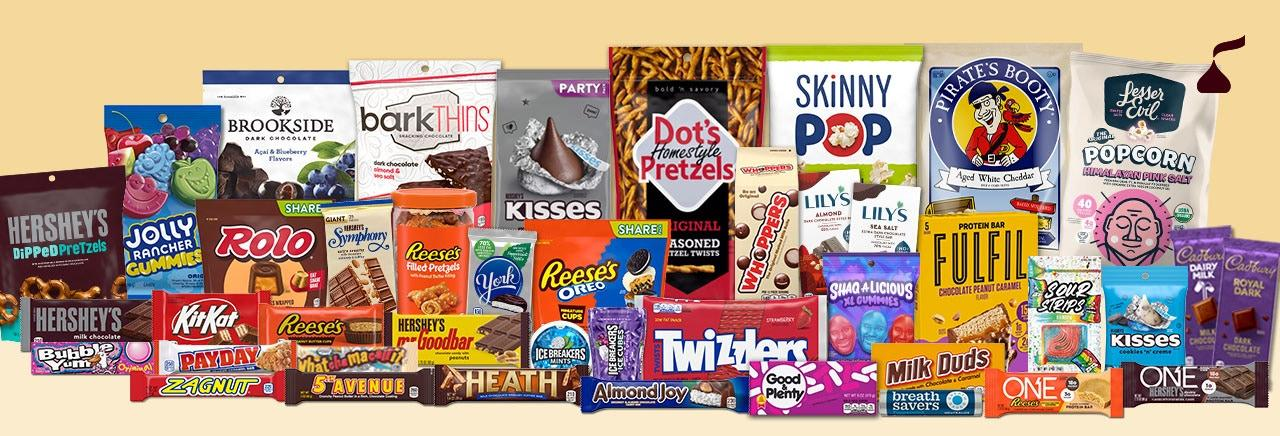
HSY’s brand strategy focuses on reaching different age groups and consumption habits. Some products emphasize seasonal occasions, while others are built around frequent snack consumption.
This multi brand system helps HSY reduce the risk of volatility in any single product. It also strengthens the company’s bargaining power with distribution channels and its share in the retail market.
What Is HSY’s Supply Chain and Raw Material Procurement System?
HSY’s supply chain is mainly built around cocoa, sugar, dairy products, and packaging materials. The food industry is typically highly dependent on raw material prices, so HSY’s margins are affected by global agricultural commodity prices.
HSY’s production model is mainly based on a centralized factory system. Hershey controls raw material costs through long term procurement contracts and large scale purchasing.
Cocoa prices are usually one of the important variables affecting HSY’s operations. Changes in global cocoa supply may directly affect Hershey’s production costs and profit structure.
HSY’s supply chain system also includes warehousing, logistics, and seasonal inventory management. Because chocolate products have clear seasonal consumption patterns, inventory cycle management is especially important for HSY.
HSY also continues to strengthen its food safety and quality control systems. The food industry depends on long term brand trust, so supply chain stability often has a direct impact on brand value.
How HSY Expands Its Market Through the Snack Business
One of HSY’s recent business priorities has been the continued expansion of its non chocolate snack market. Hershey aims to use snack products to cover a broader range of consumer demand.
From a consumption structure perspective, growth in the traditional chocolate market is relatively steady, while healthy snacks and frequently consumed casual snacks are growing faster. As a result, HSY has begun strengthening its snack brand layout.
HSY’s main expansion directions include:
| Expansion Direction |
Main Goal |
| Frequent snacking |
Increase everyday consumption |
| Healthy snacks |
Reach younger users |
| Ready to eat products |
Add more consumption scenarios |
| International markets |
Expand revenue sources |
The logic behind HSY’s snack expansion is essentially to reduce dependence on seasonal consumption. The traditional chocolate business is often affected by holiday cycles, while snack products can provide a more stable sales frequency.
This change in business structure is also turning HSY from a traditional candy company into a broader food brand group.
How HSY Differs From Food Companies Such as Mars
HSY and Mars, Incorporated are both globally well known food companies, but they differ in business structure and market positioning.
HSY has long relied more heavily on the U.S. market and its chocolate brand system, while Mars has a broader business scope, including pet food, snacks, and a diversified range of consumer brands.
The main differences between HSY and Mars are as follows:
| Comparison Dimension |
HSY |
Mars |
| Core market |
North America |
Global |
| Main business |
Chocolate and snacks |
Diversified food businesses |
| Listing status |
Public company |
Private company |
| Stock ticker |
HSY |
No publicly traded stock |
As a listed company, HSY needs to disclose financial data and operating performance on an ongoing basis. As a result, HSY stock is more affected by quarterly earnings reports.
Mars is a privately held company, so outside market participants generally cannot directly trade Mars equity.
What Role Does HSY Stock Play in the U.S. Consumer Sector?
HSY stock is usually classified within the U.S. consumer staples sector. Consumer staples companies typically have relatively stable demand, so some institutions view HSY as a defensive consumer stock.
HSY’s market characteristics lie in its relatively stable revenue structure. Food consumption usually does not depend entirely on the economic cycle, so HSY is generally less volatile than high growth technology stocks.
HSY stock also has a long term dividend profile. Some long term institutional investors view HSY as a consumer company with stable cash flow.
HSY’s share price is usually affected by the following factors:
-
Cocoa prices
-
Consumer demand
-
Seasonal holiday sales
-
U.S. inflation levels
HSY also frequently appears in consumer sector ETFs and long term institutional holdings, which gives it strong representativeness in the U.S. consumer stock market.
How to Trade HSY Stock
HSY is mainly traded on the New York Stock Exchange and is one of the representative stocks in the U.S. consumer sector. In addition to traditional securities accounts, some digital asset trading platforms have also begun offering U.S. stock related trading services.
Gate TradFi has expanded its TradFi section into a multi asset trading system. Users can participate in markets covering U.S. stocks, CFDs, and related financial assets through TradFi products.
Common ways to trade HSY include:
Gate TradFi’s feature is that it combines traditional financial assets with a digital asset trading system. Some users manage crypto assets and traditional financial products on the same trading platform, creating multi market trading strategies.
HSY stock price movements are usually concentrated during U.S. stock market trading hours. As a result, U.S. consumer data, corporate earnings reports, and changes in raw material prices can all affect HSY’s market performance.
Some TradFi platforms also provide leverage, two way trading, and risk management tools. For this reason, HSY may also be included in consumer sector rotation strategies or cross market allocation strategies.
What Are HSY’s Growth Strengths and Operating Limitations?
HSY’s core strengths come from its long standing brand influence and stable consumer demand. Food consumption is a frequent consumption scenario, which allows Hershey to maintain a relatively stable revenue structure over the long term.
HSY’s brand system and channel capabilities also help Hershey maintain strong market awareness. Large retail channels usually prefer long term partnerships with established brands.
HSY’s main strengths include:
HSY’s limitations mainly come from raw material prices and the growth ceiling of its market. Mature consumer markets usually grow at a limited pace, so HSY is unlikely to maintain the kind of rapid growth often seen in technology companies.
Rising global cocoa prices may also compress HSY’s profit margins. Food companies usually need to maintain a balance between higher costs and end consumer pricing.
Conclusion
HSY is the stock ticker for The Hershey Company on the New York Stock Exchange, and it is also one of the important representative companies in the U.S. consumer food industry. HSY’s business core is built around chocolate, snacks, and branded consumer markets.
HSY’s market characteristics mainly come from stable consumer demand, a multi brand system, and long term supply chain capabilities. For this reason, HSY stock has long been classified as an important name in the consumer staples sector.
As the snack business expands and the company’s international market layout changes, HSY is gradually evolving from a traditional chocolate company into a diversified food brand group.
FAQs
What Kind of Stock Is HSY?
HSY is the stock ticker for The Hershey Company. HSY belongs to the U.S. consumer staples sector, and its main businesses include chocolate, candy, and snack products.
What Are HSY’s Main Revenue Sources?
HSY’s main revenue sources include chocolate products, snack products, candy operations, and its branded sales system. Most of Hershey’s revenue has long come from the North American consumer market.
What Is the Difference Between HSY and Mars?
HSY is a public company, while Mars, Incorporated is a private company. HSY relies more heavily on chocolate and the North American market, while Mars has a more diversified business structure.
Why Is HSY Considered a Defensive Consumer Stock?
HSY belongs to the food consumption industry, where demand is usually relatively stable. As a result, economic cycles tend to have a more limited impact on food consumption. Some institutions therefore view HSY as a defensive consumer stock.
How Can You Trade HSY Stock?
Users can usually trade HSY stock through U.S. stock accounts, ETFs, CFDs, or TradFi financial products. HSY’s main trading market is the New York Stock Exchange.