As the concepts of metaverse and Web3 have developed, more virtual worlds have begun experimenting with on-chain economic systems. Unlike “game currencies” in traditional gaming platforms, tokens in blockchain-based virtual worlds usually do more than serve as payment tools. They may also be used for governance, asset circulation, and community incentives.
Understanding the role of MANA is also an important entry point for understanding Decentraland and how it uses blockchain to build digital ownership, an open economy, and a virtual social structure.
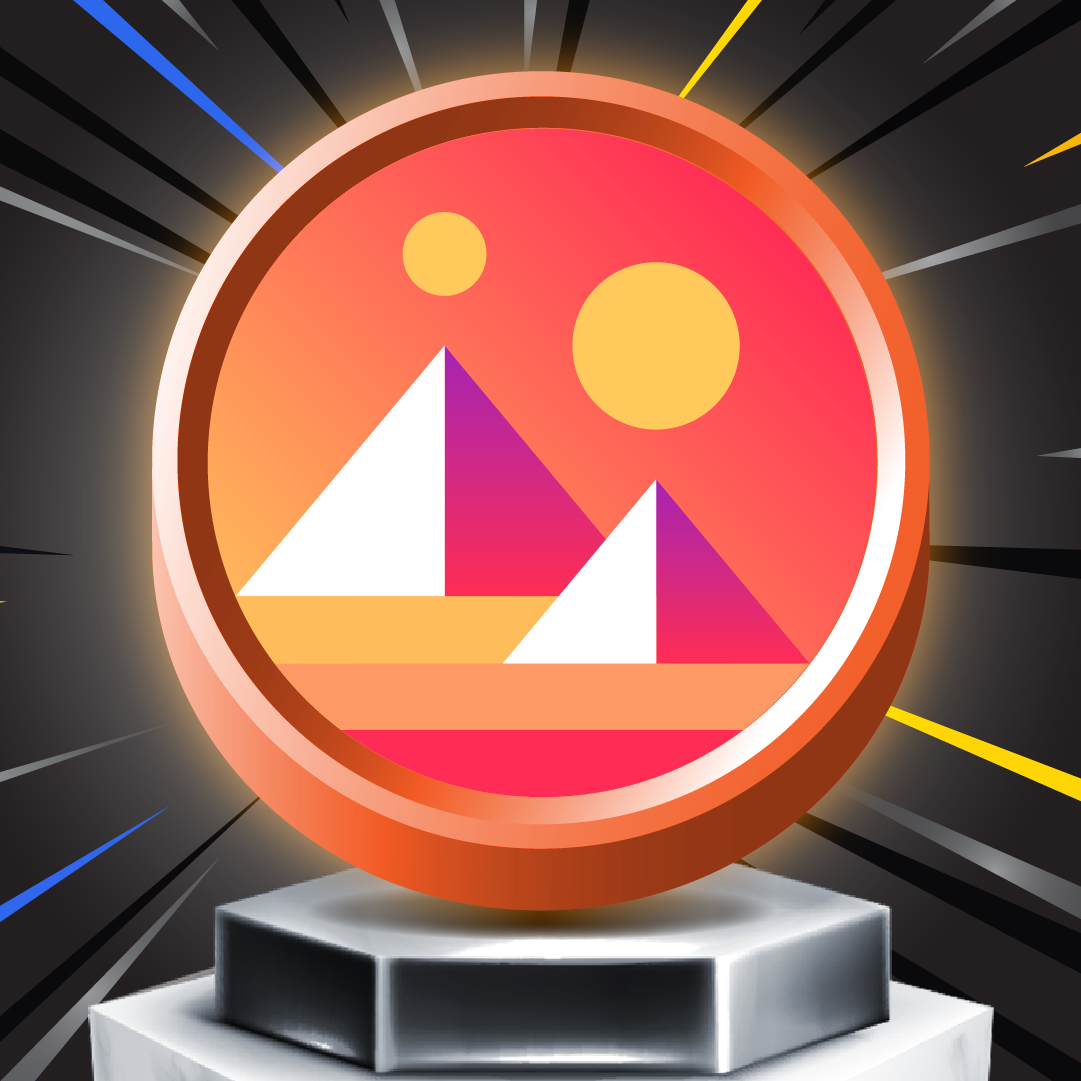
Source: decentraland.org
MANA is the core circulating asset in the Decentraland ecosystem, and it is also an important foundation of the entire virtual world economy.
In traditional gaming platforms, the economic system is usually controlled entirely by the platform. The platform issues the currency, sets the rules, and users cannot truly own assets or freely move value elsewhere.
Decentraland, by contrast, aims to build a more open on-chain economic structure.
Within this structure, MANA is not only used for payments. It also serves as a medium of value exchange inside the virtual world. Users can hold MANA in their wallets and complete asset purchases and transactions directly on-chain.
This design allows economic activity in the virtual world to move away from full dependence on centralized databases and toward a public, verifiable on-chain asset system.
At the same time, a native token helps the ecosystem form a unified value layer.
Whether the asset is LAND, Wearables, event tickets, or digital services, value can be settled through MANA. This unified asset structure helps the entire metaverse ecosystem form a more stable economic cycle.
For that reason, MANA is not simply a “game currency.” It is more like a foundational economic asset in Decentraland’s virtual society.
MANA’s Basic Functions: Payments, Governance, and Ecosystem Incentives
The most direct role of MANA is to serve as a payment medium within the Decentraland ecosystem.
After entering Decentraland, users can use MANA to purchase:
-
Virtual land
-
Avatar Wearables
-
NFT goods
-
Digital collectibles
-
Event tickets
-
In-game services
MANA also plays a governance role.
Decentraland uses a DAO governance structure, allowing community members to participate in ecosystem proposal voting by holding MANA. For example:
-
Platform policy adjustments
-
Changes to fee mechanisms
-
Community fund allocation
-
Discussions on new feature directions
This structure means users are not only content consumers. They can also take part in shaping the rules of the ecosystem.
In addition, MANA is also involved in ecosystem incentive systems.
Some community events, creator programs, and virtual event rewards are distributed through MANA. This mechanism can help the platform continue attracting creators, event organizers, and community participants into the ecosystem.
As a result, MANA connects the payment system, governance structure, and community growth mechanism at the same time.
How MANA Is Used in Virtual Land Transactions
In Decentraland, LAND is one of the most important on-chain assets.
Each parcel of LAND represents a part of the virtual world and is recorded on the blockchain as an NFT. After users own LAND, they can:
-
Deploy scenes
-
Create games
-
Build stores
-
Host events
-
Display digital content
MANA is the core payment asset used in LAND transactions.
When users buy LAND, they need to complete the transaction with MANA. In some of Decentraland’s earlier LAND sales, the MANA used to buy land was burned, which reduced the circulating supply.
This mechanism created a direct connection between virtual land and the token economy.
As activity in the virtual world increases, demand for LAND may also grow, while LAND transactions further expand MANA’s use cases.
At the same time, the existence of LAND makes Decentraland closer to an “open world” structure.
Users can not only consume content, but also truly own virtual space and build long-term digital assets and communities on top of it.
MANA’s Role in the NFT and Digital Goods Market
Beyond LAND, MANA is also widely used in Decentraland’s NFT market.
Users can use MANA to purchase:
-
Wearables
-
Avatar items
-
Emotes
-
Digital art
-
Virtual event items
As the creator economy has developed, more creators have begun issuing their own digital goods in Decentraland.
These goods usually exist as NFTs and are traded using MANA.
This structure forms a relatively open digital goods market.
Creators can earn income by designing Avatar clothing, virtual items, and scene content, while users can truly own these digital assets.
In recent years, Decentraland has also continued optimizing its creator tools and Marketplace system, aiming to lower the barrier to content creation and improve the activity of the virtual goods economy.
Therefore, MANA is also an important medium connecting the creator economy and the digital asset market.
The Relationship Between MANA and DAO Governance
One of Decentraland’s important characteristics is its DAO governance structure.
A DAO, or decentralized autonomous organization, allows community members to participate in ecosystem decisions together, rather than leaving the platform’s direction entirely under the control of a single company.
In Decentraland, MANA holders can participate in governance voting.
The community can submit and vote on governance proposals related to:
-
Platform rules
-
Fee structures
-
Use of funds
-
Content policies
-
Product upgrades
This structure makes Decentraland more like a community-driven virtual world.
It also strengthens users’ sense of long-term participation in the ecosystem.
That is because users are not merely platform consumers. They may also become rule makers.
In recent years, the Decentraland DAO has also gradually strengthened its execution capacity, such as promoting client upgrades, Creator tool development, and mobile product progress.
For this reason, MANA’s role is not limited to being a tradable asset. It is directly connected to the governance structure of the entire ecosystem.
The Collaborative Structure Between LAND, Avatar, and MANA
Decentraland is not driven by a single asset. It operates through several systems working together.
Among them:
-
MANA handles value circulation
-
LAND handles ownership of virtual space
-
Avatar handles the user identity system
Together, these three elements form the foundation of the entire metaverse ecosystem.
The Avatar is the user’s digital identity after entering the virtual world.
Users can customize their Avatar through Wearables and Emotes, then interact socially across different scenes.
LAND provides the foundation for virtual space.
Users can create content, deploy events, or build commercial spaces on LAND.
MANA connects the entire economic system.
Users need MANA to complete asset purchases, content consumption, and market transactions.
This structure makes Decentraland closer to a complete on-chain digital society than a traditional “blockchain game.”
MANA’s Burning Mechanism and Ecosystem Circulation Logic
One important feature of MANA’s economic model is its burning mechanism.
In some LAND transactions, the MANA used to buy land is directly burned instead of flowing back into the market.
The purpose of this design is to reduce the circulating token supply and establish a connection between the land economy and token value.
At the same time, MANA continues to circulate inside the ecosystem.
For example:
All of these activities help drive the circulation of MANA within the ecosystem.
However, Decentraland’s economy is still relatively limited in scale at present, so ecosystem demand for MANA is also affected by user activity and the development of the virtual world.
As a result, MANA’s value logic depends to a large extent on whether the broader metaverse ecosystem can continue growing.
Many people understand MANA as “game points,” but the two are clearly different.
Point systems in traditional gaming platforms are usually controlled entirely by the platform.
Users cannot truly own the assets, nor can they freely transfer or keep those points over the long term.
MANA, by contrast, is an on-chain asset.
Users can independently hold it through a blockchain wallet and freely transfer, trade, or use it in on-chain protocols.
MANA is also directly connected to NFTs, DAOs, and on-chain identity systems.
This means users have not only purchasing power, but also:
For that reason, MANA is closer to a foundational asset in an open digital economy than a closed point system in a traditional gaming platform.
MANA’s Functional Boundaries and Common Misconceptions
One common misconception is that MANA itself represents “the metaverse.”
In reality, MANA is only one of the economic media within the Decentraland ecosystem.
The real metaverse structure also includes:
-
Virtual space
-
Social systems
-
Content ecosystems
-
Creator economy
-
User identity systems
Another misconception is that holding MANA is the same as owning LAND.
In reality, LAND is a separate NFT asset, while MANA is only the token used for trading and circulation.
Some people also understand MANA as a “game currency.”
But structurally, MANA is more like an on-chain virtual economy asset, and its role already goes beyond the point systems found in traditional games.
Understanding these boundaries helps build a more accurate view of Decentraland’s on-chain economic model.
Summary
MANA is the core economic asset in the Decentraland virtual world. Its role includes not only payment and trading, but also DAO governance, the NFT market, the virtual land system, and the creator economy.
Unlike the closed point systems found in traditional gaming platforms, MANA is built on blockchain and forms an open metaverse economic structure together with LAND, Avatars, and the on-chain identity system.
As Web3 and the digital asset ecosystem continue to develop, MANA represents more than just a token. It is also an exploration of the economic model for on-chain virtual worlds.
FAQs
What Is MANA?
MANA is Decentraland’s native token, used for payments, governance, NFT trading, and ecosystem incentives.
What Can MANA Be Used to Buy?
Users can use MANA to purchase LAND, Wearables, Emotes, digital goods, and some virtual event services.
What Is the Difference Between LAND and MANA?
LAND is an NFT representing ownership of virtual land, while MANA is the circulating token in the ecosystem.
Is MANA Burned?
MANA used in some LAND transactions is burned to reduce the circulating supply.
Is MANA a Game Currency?
MANA is different from traditional gaming platform points. It is an on-chain digital asset that users can truly own and freely trade.
How Does Decentraland Governance Work?
Decentraland uses a DAO governance structure. MANA holders can participate in community proposals and governance voting.