What is NEON: A Comprehensive Guide to the National Ecological Observatory Network

NEON EVM (NEON) Analysis Report
NEON EVM's Position and Significance
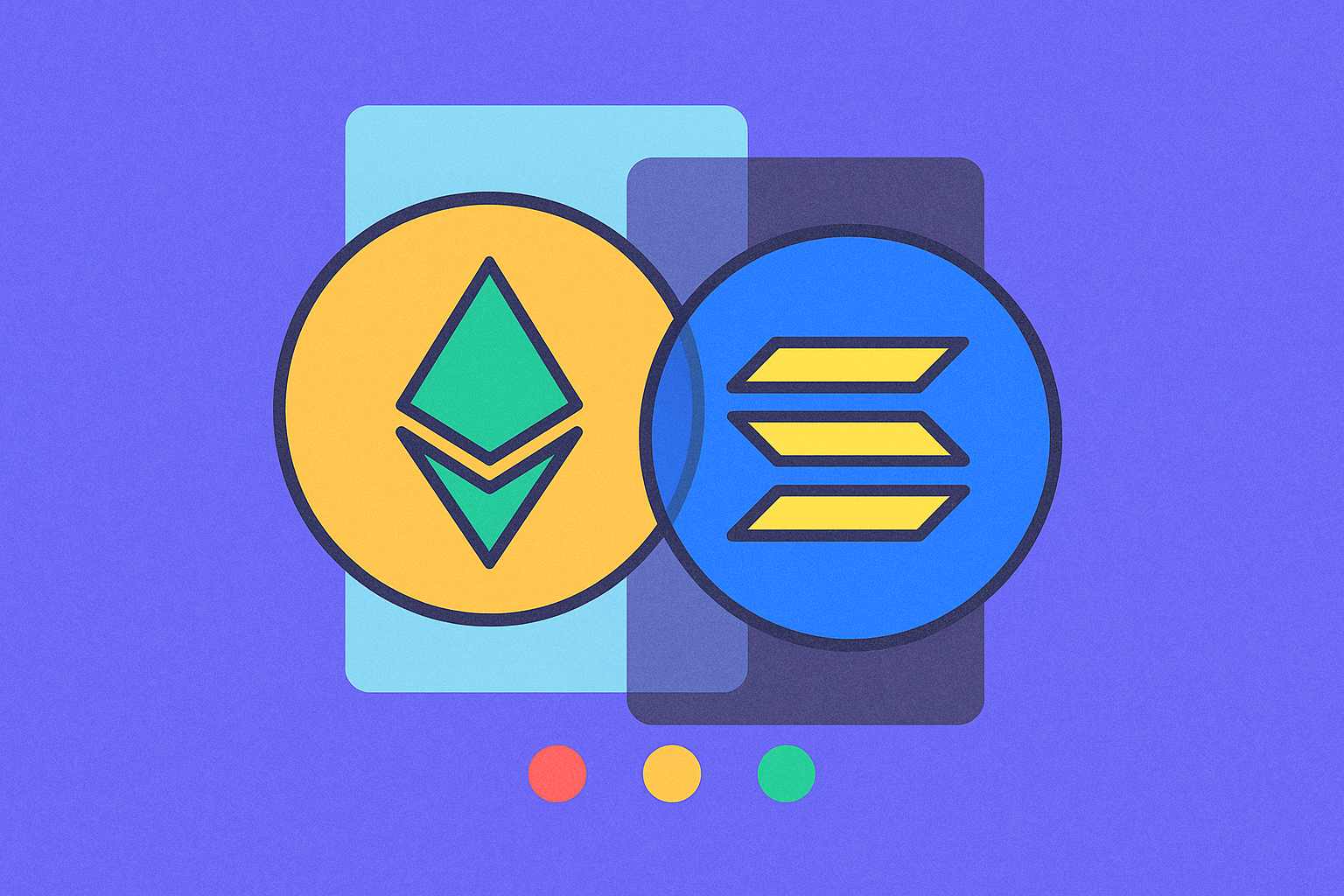
NEON EVM (NEON) is a specialized blockchain solution designed to bridge two of the industry's leading ecosystems: Ethereum and Solana. By providing a low-friction environment, NEON EVM enables Ethereum-based decentralized applications (dApps) to operate seamlessly within the Solana network, eliminating technological and operational barriers between these two blockchain platforms.
As an EVM-compatible solution on Solana, NEON EVM occupies a unique position in the cross-chain interoperability and developer infrastructure sector. The protocol empowers Ethereum developers to leverage Solana's technical advantages—including significantly lower transaction fees, higher transaction speeds, and parallel transaction execution capabilities—without requiring a complete rewrite of their applications.
As of December 21, 2025, NEON EVM ranks #1,049 in market capitalization with a total market cap of $54.53 million and a fully diluted valuation of $54.53 million. The token has an active community of developers and supporters, with 16,141 token holders participating in the ecosystem.
This report provides a comprehensive analysis of NEON EVM's technical architecture, market performance, and future potential.
Origins and Development History
Genesis and Background
NEON EVM was conceived to address a critical challenge in the blockchain ecosystem: the fragmentation between Ethereum and Solana. While Ethereum established itself as the dominant smart contract platform with extensive dApp infrastructure, Solana emerged as a high-performance alternative offering superior transaction throughput and lower costs. However, this bifurcation created a dilemma for developers—choosing between Ethereum's liquidity and ecosystem maturity versus Solana's superior performance characteristics.
NEON EVM was developed to eliminate this trade-off by creating a technical bridge that allows Ethereum dApps to execute natively within Solana's high-performance environment. The solution was published on July 17, 2023, with an initial listing price of $0.15, reflecting early community confidence in the cross-chain bridge concept.
Key Milestones
- July 2023: NEON EVM mainnet launch, establishing the first functional EVM-compatible environment on Solana and enabling Ethereum dApps to deploy without modification.
- 2023-2024: Ecosystem expansion phase, with multiple DeFi protocols, infrastructure tools, and developer resources integrated into the NEON ecosystem.
- January 2, 2024: Peak price achievement of $3.98, representing a 2,550% increase from the initial listing price, demonstrating significant market enthusiasm for the cross-chain solution.
Throughout its development, NEON EVM has maintained active technical development and community engagement, supported by the NEON Foundation and development team at Neon Labs.
How NEON EVM Works?
Bridging Two Ecosystems
NEON EVM operates as an intermediary layer that translates Ethereum Virtual Machine (EVM) bytecode into Solana-compatible instructions. Rather than functioning as a traditional blockchain, NEON EVM acts as a sophisticated smart contract deployed on Solana that replicates the EVM execution environment.
This architecture allows Ethereum developers to deploy smart contracts written in Solidity without modification, while the underlying transactions execute on Solana's high-speed network. The approach eliminates the need for developers to learn new programming languages or restructure existing codebases.
Core Technology Architecture
NEON EVM's technical foundation comprises several key components:
EVM Emulation Layer: The system emulates the Ethereum Virtual Machine's instruction set, ensuring bytecode compatibility with Ethereum smart contracts. This layer translates high-level operations into Solana SPL (Solana Program Library) compatible transactions.
Account Model Translation: Since Ethereum and Solana employ different account models—Ethereum uses externally owned accounts (EOAs) and contract accounts, while Solana uses a UTXO-like model—NEON EVM provides an abstraction layer that bridges these conceptual differences.
Transaction Processing: Transactions submitted to NEON EVM are routed through Solana's validators, leveraging Solana's consensus mechanism and parallel transaction processing capabilities. This enables NEON EVM to inherit Solana's performance characteristics: high transaction throughput (up to 65,000 transactions per second theoretical capacity) and low fees (typically a fraction of a cent).
Security and Validation
NEON EVM inherits security from Solana's Proof of Stake (PoS) consensus mechanism. Solana's validators—who operate nodes and stake SOL tokens—validate all transactions, including those routed through NEON EVM. This distributed validator network ensures:
- Transaction finality: Solana achieves practical finality within seconds, meaning transactions cannot be reversed once confirmed.
- Byzantine fault tolerance: The network can tolerate up to one-third of validators acting maliciously without compromising integrity.
- Cryptographic verification: All transactions utilize public-key cryptography to verify ownership and transaction authenticity.
Developers deploying on NEON EVM benefit from the same security guarantees as native Solana applications, eliminating concerns about EVM compatibility compromising network security.
Access and Interoperability
Users interact with NEON EVM through standard Ethereum wallets and tools, enhanced to support Solana as the underlying settlement layer. The protocol supports standard Ethereum JSON-RPC interfaces, enabling existing Ethereum development frameworks, wallet software, and monitoring tools to function with minimal modification.
This design philosophy prioritizes developer experience, allowing the Ethereum ecosystem's extensive tooling to operate on Solana's infrastructure without requiring new training or tool adoption.
Market Performance Analysis
Current Market Metrics (as of December 21, 2025)
| Metric | Value |
|---|---|
| Current Price | $0.05453 |
| 24-Hour Change | -3.4% |
| 7-Day Change | -10.10% |
| 30-Day Change | -12.75% |
| 1-Year Change | -87.5% |
| Market Cap | $13.06 million |
| 24-Hour Trading Volume | $16,299.70 |
| Circulating Supply | 239,465,430.68 NEON |
| Total Supply | 999,999,673.18 NEON |
| Fully Diluted Valuation | $54.53 million |
| Market Dominance | 0.0016% |
Price History and Performance
NEON EVM's price trajectory reflects the broader volatile nature of infrastructure tokens and the cyclical adoption patterns of Layer 1 ecosystems:
- All-Time High (ATH): $3.98 on January 2, 2024
- All-Time Low (ATL): $0.0521 on August 30, 2023
- Current Price vs. ATH: 86.3% decline
- Current Price vs. ATL: 4.5% above lowest point
- Current Price vs. Launch Price: 63.6% decline
The token's performance reflects the broader market sentiment regarding bridge protocols and cross-chain solutions, influenced by evolving views on multi-chain ecosystems and Solana's network stability and adoption metrics.
Trading Activity
NEON EVM is listed on 7 major cryptocurrency exchanges, including Gate.com, providing reasonable liquidity for token trading and ecosystem participation. The 24-hour trading volume of approximately $16,300 indicates moderate liquidity, typical for tokens in the #1,049 market cap position.
Ecosystem and Development
Community Engagement
NEON EVM maintains an active community through multiple channels:
- Official Website: https://neon-labs.org/
- Foundation: https://neonfoundation.io/
- Block Explorer: https://neonscan.org/
- Social Media: Active presence on Twitter (@neonlabsorg)
- Developer Resources: https://github.com/neonlabsorg/
- Documentation: https://neonevm.org/whitepaper.pdf
The ecosystem comprises 16,141 token holders, indicating a distributed community of developers, investors, and protocol participants.
Technical Resources
The project maintains comprehensive technical documentation and open-source code repositories, facilitating developer onboarding and transparent protocol development. The availability of a dedicated block explorer (Neonscan) and integration with Solana's ecosystem tools demonstrates commitment to infrastructure maturity.
Investment Considerations
Advantages
-
Unique Value Proposition: NEON EVM addresses a genuine market need by enabling Ethereum applications to access Solana's superior performance characteristics without code modification.
-
Developer-Friendly: Existing Ethereum developers can deploy applications immediately, reducing barriers to adoption compared to native Solana development.
-
Infrastructure Play: Token value derives from ecosystem utility as network activity metrics grow with ecosystem adoption.
Risk Factors
-
Price Volatility: The 87.5% one-year decline demonstrates significant token depreciation, reflecting both market cyclicality and evolving sentiment regarding bridge protocols.
-
Competition: Multiple bridge solutions and alternative cross-chain protocols operate in this space, creating competitive pressure.
-
Market Cap Concentration: With a relatively modest market cap of $13.06 million circulating value, liquidity considerations are important for larger position transitions.
-
Adoption Dependency: The token's long-term value correlates directly with ecosystem adoption rates and transaction volumes.
Conclusion
NEON EVM represents an important infrastructure contribution to the blockchain ecosystem, solving the practical problem of application fragmentation between Ethereum and Solana. By enabling zero-modification deployment of Ethereum applications on Solana's high-performance network, the protocol occupies a valuable niche within cross-chain infrastructure.
As of December 21, 2025, the token trades at $0.05453, reflecting a significant retracement from its January 2024 peak of $3.98. While the 87.5% one-year decline presents concerns regarding investment performance, such volatility is characteristic of infrastructure tokens, particularly early-stage bridge solutions.
The ecosystem's future value will depend on sustained developer adoption, continued technical refinement, and the broader market's confidence in multi-chain infrastructure solutions. Investors should monitor ecosystem metrics including transaction volumes, active dApp deployments, and developer activity when evaluating the protocol's trajectory.
For current market data, traders can access NEON tokens through Gate.com and other major cryptocurrency exchanges.
NEON EVM's Market Performance
Overview
NEON EVM (NEON) is a blockchain solution that enables Ethereum decentralized applications (dApps) to operate seamlessly within the Solana network. This innovation bridges the gap between two leading blockchains, allowing Ethereum developers to leverage Solana's superior features including low transaction fees, high throughput, and parallel transaction execution capabilities.
Circulation Overview
As of December 21, 2025, NEON's circulating supply stands at 239,465,430.68 tokens, with a total supply of 999,999,673.18 tokens and a maximum supply capped at 1,000,000,000 tokens. The circulating supply represents approximately 23.95% of the total supply, indicating a phased token release mechanism that continues to distribute tokens into the market over time.
Price Performance
Current Market Status
As of December 21, 2025, NEON is trading at $0.05453, with a 24-hour trading volume of $16,299.70. The token commands a fully diluted valuation (FDV) of $54,529,982.18 and a market capitalization of $13,058,049.93, ranking it at position 1,049 in the broader cryptocurrency market with a market dominance of 0.0016%.
Price Volatility
NEON reached its all-time high (ATH) of $3.98 on January 2, 2024, representing a period of strong market interest and adoption momentum. Conversely, the token's all-time low (ATL) of $0.0521 occurred on August 30, 2023, reflecting early-stage market volatility and price discovery dynamics.
The dramatic decline from ATH to current levels represents an 87.5% decrease over the past year, highlighting significant market corrections typical of emerging blockchain infrastructure projects.
Recent Price Movements
| Timeframe | Price Change | Change Amount |
|---|---|---|
| 1 Hour | +0.13% | +$0.000070796963946872 |
| 24 Hours | -3.4% | -$0.001919275362318840 |
| 7 Days | -10.10% | -$0.006126284760845382 |
| 30 Days | -12.75% | -$0.007968567335243551 |
| 1 Year | -87.5% | -$0.381709999999999994 |
Recent trading activity shows short-term downward pressure, with the token declining 3.4% in the past 24 hours and 10.10% over the past week, though it maintains slight intraday gains of 0.13% in the last hour.
Check current NEON market price
Community and Ecosystem
NEON maintains an active community with 16,141 token holders, indicating a distributed ownership structure. The project is listed across 7 major cryptocurrency exchanges, including Gate.com, ensuring adequate liquidity and accessibility for traders and investors.
The project provides multiple engagement channels through its official website, GitHub repositories for developers, comprehensive documentation, and active social media presence on platforms like Twitter and YouTube, fostering community participation and transparent development practices.
NEON EVM (NEON) Comprehensive Research Report
Overview
NEON EVM is a low-friction solution that enables Ethereum dApps to function within Solana, eliminating the gap between two leading blockchains. NEON EVM positions Ethereum developers to enjoy the best of Solana's network, from low fees to high transaction speeds, and parallel transaction execution capabilities.
Key Market Metrics (As of December 21, 2025)
| Metric | Value |
|---|---|
| Current Price | $0.05453 |
| 24H Change | -3.4% |
| 1H Change | +0.13% |
| 7D Change | -10.10% |
| Market Cap | $13,058,049.93 |
| Fully Diluted Valuation | $54,529,982.18 |
| 24H Trading Volume | $16,299.70 |
| Circulating Supply | 239,465,430.68 NEON |
| Total Supply | 999,999,673.18 NEON |
| Market Cap Rank | #1049 |
| All-Time High | $3.98 (January 2, 2024) |
| All-Time Low | $0.0521 (August 30, 2023) |
| 1Y Performance | -87.5% |
Core Use Cases
NEON EVM's ecosystem enables multiple applications by bridging Ethereum and Solana networks:
- Cross-Chain Compatibility: Allows Ethereum developers to deploy dApps on Solana without rewriting code, leveraging Solana's superior transaction speed and lower costs.
- DeFi Applications: Enables decentralized finance protocols built on Ethereum to operate on Solana's infrastructure, providing users with efficient trading and liquidity solutions.
- Smart Contract Execution: Provides parallel transaction execution capabilities, significantly enhancing throughput compared to traditional Ethereum implementations.
Market Performance Analysis
Price Trends
NEON has experienced significant volatility since its launch:
- The token peaked at $3.98 in early 2024 but has declined substantially
- Current price of $0.05453 represents an 87.5% decrease over the past year
- Recent 24-hour decline of -3.4% suggests ongoing market pressure
- Short-term momentum shows slight recovery with +0.13% gain in the last hour
Trading Activity
- 24-hour volume of $16,299.70 indicates moderate liquidity
- Market capitalization of $13.06 million reflects a smaller market position
- Fully diluted valuation of $54.53 million suggests potential valuation growth if circulating supply increases
Token Distribution
- Current circulating supply represents 23.95% of total supply
- Total token holders: 16,141 addresses
- Significant supply available for future circulation could impact future price dynamics
Blockchain Integration
Chain: Solana (SOL)
Contract Address: NeonTjSjsuo3rexg9o6vHuMXw62f9V7zvmu8M8Zut44
NEON operates as a native Solana token, enabling direct integration with Solana's high-performance blockchain infrastructure.
Official Resources and Community Channels
Primary Websites
- Official Website: https://neon-labs.org/
- Neon Foundation: https://neonfoundation.io/
- Link Directory: https://linktr.ee/neonlabs
Technical Resources
- Explorer: https://neonscan.org/
- Solana Explorer: https://explorer.solana.com/account/NeonTjSjsuo3rexg9o6vHuMXw62f9V7zvmu8M8Zut44
- Whitepaper: https://neonevm.org/whitepaper.pdf
Developer Resources
- GitHub Repository: https://github.com/neonlabsorg/neon-evm
- Organization GitHub: https://github.com/neonlabsorg/
Social Media Presence
- X (Twitter): @neonlabsorg
- YouTube: NeonLabsorg Channel
How to Acquire NEON
NEON is available for trading on multiple exchanges:
- Gate.com: Access NEON trading pairs with competitive fees and high liquidity
- Additional exchanges: Available on 7 total trading platforms
Launch Information: NEON was published on July 17, 2023, at an initial price of $0.15, representing the entry point for early investors.
Market Challenges and Considerations
Price Volatility
NEON exhibits substantial price volatility, with an 87.5% decline from its all-time high. This suggests:
- Sensitivity to broader market conditions and sentiment
- Execution risks for investors entering at current levels
- Need for careful risk management and position sizing
Liquidity Concerns
The relatively low 24-hour trading volume compared to market cap indicates potential liquidity constraints during high-volume trading periods.
Competitive Landscape
NEON operates in a competitive environment with other cross-chain and Layer 2 solutions. Continued technological differentiation and adoption will be critical for long-term success.
Token Economics
NEON was designed with a maximum supply of 1 billion tokens, promoting scarcity and potential long-term value accumulation. The current circulating supply of approximately 239.5 million tokens represents less than 24% of total supply, with significant token unlock potential that could influence future price dynamics.
Development and Innovation
Technical Foundation
Built on Solana's proven infrastructure, NEON leverages:
- High transaction throughput capabilities
- Low transaction costs
- Parallel processing architecture
Ecosystem Expansion
The project continues to develop tools and resources for:
- Ethereum developer onboarding
- Cross-chain dApp deployment
- Enhanced interoperability between ecosystems
Community Engagement
NEON maintains active communication channels through:
- Regular updates via official social media accounts
- Developer documentation and technical guides
- Community forums and discussion channels
The project serves a developer-focused community interested in cross-chain solutions and Ethereum-Solana interoperability.
Investment Considerations
Potential Opportunities:
- First-mover advantage in Ethereum-Solana bridging
- Growing demand for cross-chain solutions
- Potential upside if adoption accelerates
Risk Factors:
- Significant historical price decline
- Competitive landscape with emerging alternatives
- Dependence on Solana ecosystem health
- Limited circulating supply utilization (76% of supply not yet circulating)
Summary
NEON EVM represents an innovative approach to cross-chain interoperability, specifically targeting the Ethereum-Solana bridge space. By enabling Ethereum dApps to operate on Solana's superior infrastructure, NEON addresses a genuine market need for seamless blockchain integration.
The project demonstrates solid technical foundations, active development, and clear market positioning. However, the significant price decline from all-time highs and moderate trading volume warrant careful analysis before investment decisions.
NEON's future success will depend on:
- Increased adoption by Ethereum developers
- Growing dApp ecosystem on the platform
- Sustained development and technical improvements
- Market conditions and competitive dynamics
For those interested in cross-chain solutions and Ethereum-Solana interoperability, NEON presents an interesting opportunity to monitor, particularly as the broader cryptocurrency market evolves and cross-chain protocols gain mainstream adoption.
Report Generated: December 21, 2025
Data Source: Gate.com Market Data
FAQ
What is neon used for?
Neon is a Layer 2 solution built on Solana that enables fast, low-cost transactions and smart contract execution. It's used for decentralized applications, DeFi protocols, and token transfers, providing developers an EVM-compatible environment on Solana's high-speed blockchain.
What is neon in real life?
Neon is a noble gas used in advertising signs, indicator lights, and lasers. It produces a distinctive bright red glow when electrified, making it valuable for displays and lighting applications.
What is an example of neon?
Neon is a blockchain network built on Solana. An example is using Neon to deploy Ethereum-compatible smart contracts on Solana, enabling fast and low-cost transactions while maintaining EVM compatibility.
Is neon a harmful gas?
No, neon is an inert and non-toxic noble gas that is completely safe. It poses no harm to humans and is widely used in lighting applications without any associated risks.
What are the properties of neon?
Neon is a colorless, odorless, inert monoatomic gas with atomic mass 20.179. It is extremely stable and unreactive, commonly used in lighting applications. Neon exists abundantly in the universe and trace amounts in Earth's atmosphere.
Where is neon found in nature?
Neon is found in trace amounts in Earth's atmosphere and crust. It is also present in the sun and stars, making it a rare noble gas element on our planet.
Why is neon used in neon signs?
Neon emits a bright, distinctive red-orange light when electrically charged, making it highly visible and eye-catching for advertising and signage purposes.
Share
Content
NEON EVM's Position and Significance
Origins and Development History
How NEON EVM Works?
Market Performance Analysis
Ecosystem and Development
Investment Considerations
Conclusion
Overview
Circulation Overview
Price Performance
Community and Ecosystem
Overview
Core Use Cases
Market Performance Analysis
Blockchain Integration
Official Resources and Community Channels
How to Acquire NEON
Market Challenges and Considerations
Token Economics
Development and Innovation
Community Engagement
Investment Considerations
Summary
FAQ
How to Buy Cryptocurrency


Trending Cryptocurrencies



Gas fees in cryptocurrency

How Does SUI Compare to Its Competitors in Performance, Market Cap, and User Base?

How does Ethereum compare to competitors like Cardano and Solana in 2025?

What is ES: The Powerful JavaScript Syntax That Simplifies Web Development
How Does Ethereum Compare to Its Competitors in 2025?

What are the Key Differences Between Ethereum and Its Competitors in 2025?

Is LimeWire (LMWR) a good investment?: A Comprehensive Analysis of the Token's Potential, Risks, and Market Position in 2024
What is Token Economics Model: Distribution Mechanisms, Inflation Design, and Governance Utility

Discover DARK Token: AI-Enabled GameFi Mini App Unveiled

What is Hachiko ($HACHI) fundamentals: whitepaper logic, use cases, and team background analysis?

Easy Steps to Purchase Smile Coin Using a Credit Card Online